Life with active children and four-legged companions brings incredible energy to a home, but it also puts your floors through a daily endurance test. From muddy paws and spilled juice cups to dropped toys and racing dog claws, everyday family life demands surfaces that can withstand heavy abuse. Finding the best flooring for pets and active kids requires balancing scratch resistance, moisture defense, traction, and underfoot comfort without sacrificing style.
At Home Remodel Guidance, we regularly help homeowners navigate these practical renovation decisions. Replacing flooring is a major investment, so selecting the right material from the start prevents premature wear, stained subfloors, and costly replacements. In this guide, we evaluate the seven most durable flooring types, break down critical technical ratings, provide room-by-room recommendations, and outline reliable maintenance strategies to keep your home functional and beautiful.
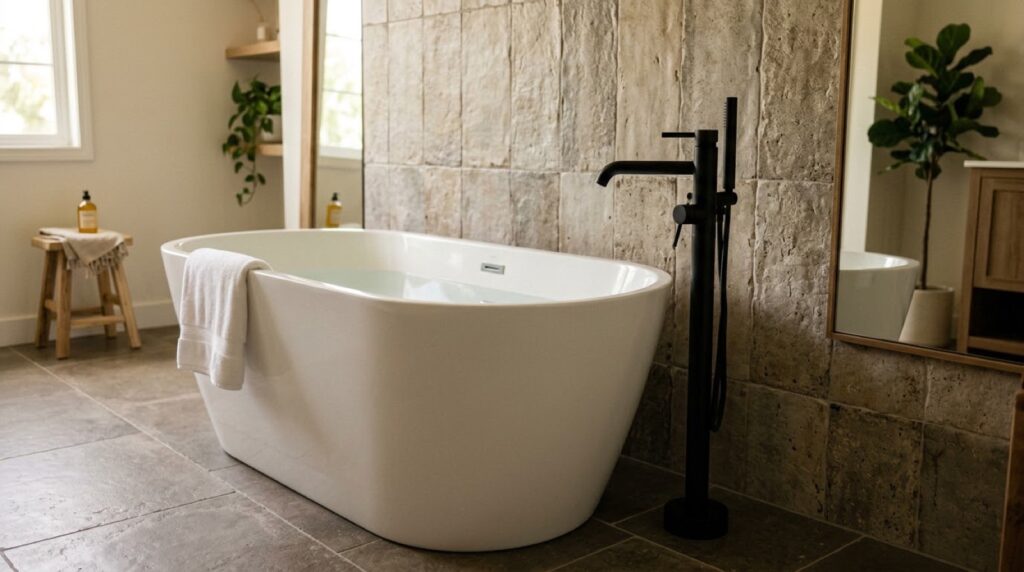
At a Glance: Top Flooring Choices for Busy Homes
- Luxury Vinyl Plank (LVP): The leading all-around choice offering 100% waterproof protection, exceptional scratch resistance, and realistic wood visuals.
- Porcelain Tile: The most scratch-proof and moisture-impervious option, ideal for mudrooms and bathrooms, though hard underfoot.
- Water-Resistant Laminate: Highly resistant to dog claw scratching, featuring tough AC4 wear layers at a budget-friendly price.
- Engineered Hardwood: Delivers authentic timber beauty with better dimensional stability, though vulnerable to standing liquid and gouges.
- Solid Hardwood: Refinishable and classic, but easily damaged by pet urine etching, moisture, and heavy claw dents.
- Sealed Concrete: Ultra-durable, monolithic, and stain-resistant when sealed, but requires area rugs for warmth and comfort.
- Modular Carpet Tile: A practical alternative to traditional carpeting allowing individual stained tiles to be washed or replaced.
- Key Specifications: Look for vinyl with at least a 20-mil wear layer, laminate rated AC4 or higher, and tile with a PEI rating of IV or V.
What to Look For: Technical Specs That Matter
When shopping for new floors, marketing labels like “pet-proof” can be misleading. To evaluate genuine durability, consider these standardized industry ratings for wear, moisture, hardness, and safety.
Wear Layer Thickness (Mils) for Vinyl
Luxury vinyl durability depends on its transparent top wear layer, measured in mils (thousandths of an inch). Budget vinyl often features a 6-mil or 12-mil layer, which can scuff under large dog claws. For homes with pets and kids, choose a wear layer of 20 mils or thicker. Premium commercial planks offer 22-mil to 30-mil coatings with ceramic bead or aluminum oxide additives that resist deep scratching.
AC Ratings for Laminate Flooring
Laminate is rated on the European Abrasion Criteria (AC) scale from AC1 to AC5. While AC3 suits light residential use, active households should choose AC4 (heavy residential / light commercial) or AC5. A high AC rating ensures the melamine resin surface resists heavy foot traffic, dragged toys, and claw friction.
PEI Ratings and Slip Resistance (DCOF) for Tile
The Porcelain Enamel Institute (PEI) rates tile hardness from I to V. Select PEI IV or PEI V for high-traffic family spaces. Slip resistance is measured by the Dynamic Coefficient of Friction (DCOF). Choose tiles with a wet DCOF rating of 0.42 or higher, or pick textured matte finishes to provide secure traction for running children and pets.
Indoor Air Quality and Low-VOC Certifications
Because children and pets play directly on floors, low chemical emissions are essential. Look for independent certifications like FloorScore, GREENGUARD Gold, or CRI Green Label Plus, verifying low volatile organic compound (VOC) levels and phthalate-free manufacturing.
Ranking the Top 7 Options: The Best Flooring for Pets and Kids
Not all materials handle claws, spills, and rough play equally well. We have ranked the seven most common residential flooring options based on real-world durability, water resistance, ease of cleaning, comfort, and lifecycle value.
1. Luxury Vinyl Plank (LVP / SPC Rigid Core)
Luxury vinyl plank, specifically Stone Plastic Composite (SPC) rigid core vinyl, is our top recommendation for active households. SPC features a dense limestone-polymer core that resists denting from dropped toys and heavy furniture. Because it is completely synthetic, high-quality LVP is 100% waterproof, meaning puddles from water bowls or potty-training accidents will not warp the planks.
Vinyl also feels noticeably warmer and softer underfoot than tile or concrete. Built-in acoustic underlayments absorb sound, reducing footstep noise and clicking claws. Its realistic textured grain provides dependable traction, making rigid core vinyl one of the most practical contenders when shopping for the best flooring for pets and toddlers.
2. Porcelain and Ceramic Tile
For absolute scratch resistance and waterproofing, porcelain tile is unmatched. Fired at high temperatures, porcelain absorbs less than 0.5% moisture. Large dog claws cannot scratch glazed porcelain, and liquids will never penetrate its surface.
However, tile is unforgiving underfoot: dropped dishes shatter instantly and tumbling toddlers can suffer bruises. It is also chilly without radiant floor heating. Avoid high-gloss polished tiles that turn slippery when wet, and always specify stain-resistant epoxy or urethane grout to prevent pet accidents from staining joints.
3. Water-Resistant and Waterproof Laminate
Modern laminate flooring has improved dramatically. Today’s water-resistant collections combine high-density fiberboard (HDF) cores with hydrophobic edge sealants and tight locking joints. The aluminum oxide surface of AC4-rated laminate offers outstanding scratch resistance, frequently outperforming vinyl against sharp dog claws.
While modern laminate handles topical spills for 24 to 72 hours, it cannot endure prolonged subfloor flooding. For main-level living spaces and hallways, laminate provides genuine wood visuals and exceptional scratch defense at an affordable cost.
4. Engineered Hardwood Flooring
Engineered hardwood features a real wood veneer bonded over cross-laminated plywood. This structure offers superior dimensional stability against humidity shifts compared to solid wood. If you prefer natural timber and want to preserve resale value, engineered wood is a strong choice.
Species selection is critical: choose hard domestic woods like white oak, hickory, or hard maple rather than soft pine or walnut. Wire-brushed or hand-scraped textures help camouflage minor claw marks. For a full breakdown of costs and installation, see our guide on hardwood flooring DIY versus professional installation.
5. Solid Hardwood Flooring
Solid hardwood delivers classic charm and can be sanded and refinished multiple times over several decades, allowing you to restore the surface down the road.
However, solid wood requires strict vigilance. Pet urine contains uric acid that permanently discolors oak if left unattended. Planks can also cup or warp from standing water. If you install solid hardwood, choose high-density species and seal them with a durable commercial polyurethane finish.
6. Sealed Concrete Flooring
Sealed concrete provides a monolithic, ultra-durable floor with zero grout lines or seams to trap dirt. Finished with a quality epoxy or polyurethane sealer, it is completely impervious to liquids, pet accidents, and scratches.
The drawback is comfort and sound. Concrete is very hard and amplifies room echo. To make it welcoming for children and pets, layer washable rugs with non-slip cushioned pads throughout living areas.
7. Modular Carpet Tile
Traditional wall-to-wall carpeting traps pet dander, dirt, and accident odors, while looped fibers can snag dog claws. Modular carpet tiles solve this with individual low-pile squares secured with releasable tabs.
If a spill or accident occurs, you can lift that single tile, wash it in the sink, let it dry, and replace it. Severely damaged tiles can be swapped for a spare in minutes without professional help.
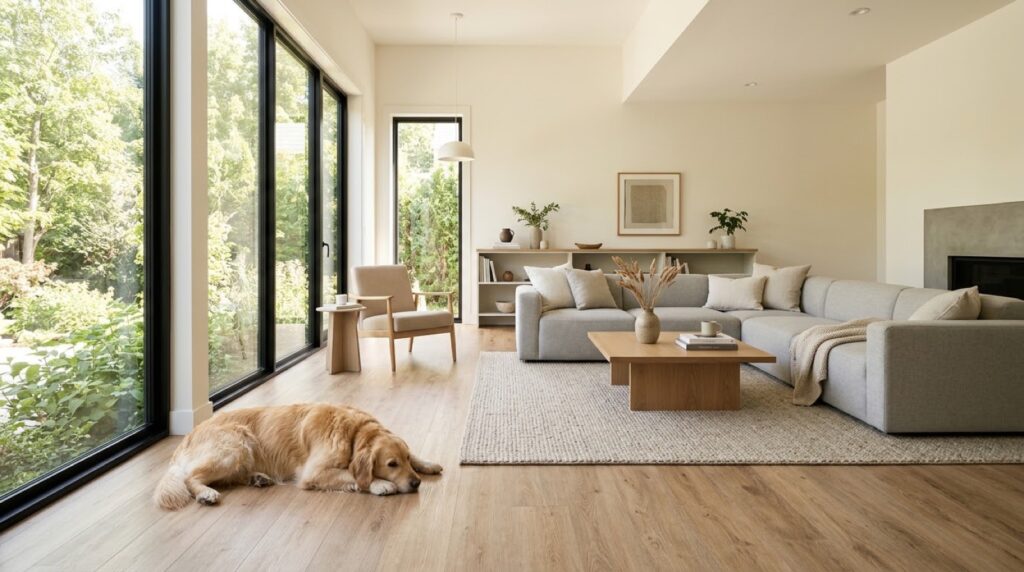
Comparison: Evaluating Flooring Performance and Costs
Choosing the right material requires balancing daily performance against your household budget. Below is a comparison of all seven flooring materials across key durability factors, comfort metrics, noise reduction, and installed costs to help you decide which material serves as the best flooring for pets in your home.
| Flooring Type | Scratch Resistance | Water Resistance | Comfort & Softness | Sound Reduction | Typical Cost / Sq Ft (Installed) | DIY Friendliness |
|---|---|---|---|---|---|---|
| Rigid Core LVP (SPC) | Excellent (20+ mil) | 100% Waterproof | Moderate (Warm) | Good (Quiet) | $4 to $9 | High (Click-Lock) |
| Porcelain Tile | Exceptional | 100% Waterproof | Hard & Cold | Poor (Reflective) | $9 to $20 | Low to Moderate |
| Water-Resistant Laminate | Excellent (AC4/AC5) | High (Topical) | Moderate | Moderate | $4 to $8 | High (Click-Lock) |
| Engineered Hardwood | Moderate | Moderate | Moderate | Moderate | $8 to $16 | Moderate |
| Solid Hardwood | Low to Moderate | Low (Vulnerable) | Moderate | Moderate | $10 to $22 | Low (Pro recommended) |
| Sealed Concrete | Exceptional | High (When sealed) | Hard & Cold | Poor (Echo-prone) | $5 to $15 | Low (Specialized tools) |
| Modular Carpet Tile | Good (Loopless) | Moderate (Washable) | Soft & Warm | Excellent | $3 to $7 | High (Peel & Stick) |
Installation costs vary by region, subfloor condition, and room layout. Removing old floors, leveling uneven subfloors, or repairing moisture damage will add to project costs. For structural subfloor repairs or extensive moisture remediation, always hire a licensed and insured contractor.
Room-by-Room Flooring Recommendations
Different areas of your home experience different moisture levels and foot traffic. A practical floor plan often combines two or three flooring types. For whole-home guidance, review our article on choosing the right flooring for each room.
Mudrooms, Entryways, and Laundry Rooms
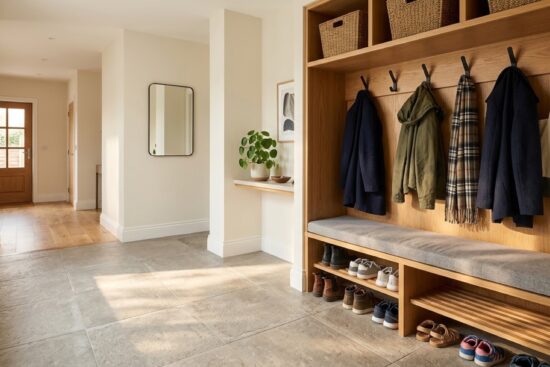
Entryways handle mud, wet boots, and dirty paws. Matte porcelain tile with dark epoxy grout or 100% waterproof rigid core LVP is ideal here. When designing this area, see our guide on creating a functional mudroom with smart storage. If you are setting up pet washing zones, explore our tips for dedicated pet spaces and grooming stations.
Kitchens and Dining Spaces
Kitchens face dropped utensils, grease splatters, and food spills around feeding stations. Luxury vinyl plank and large-format porcelain tile are the two best options, offering fast cleanup with a damp microfiber mop and total resistance to standing water.
Living Rooms and Family Dens
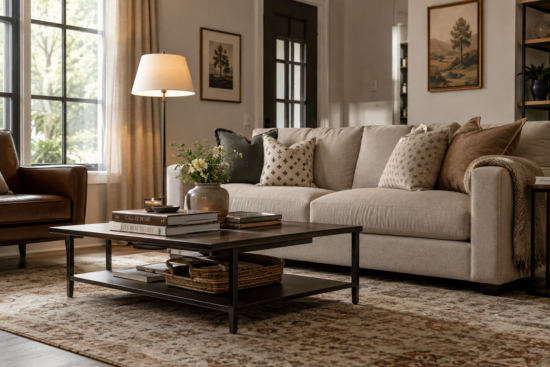
Family rooms need a blend of resilience and warmth. Rigid core LVP with an acoustic underlayment or AC4-rated laminate resists pet claws while maintaining an inviting aesthetic. Adding a large washable area rug creates a cushioned zone for children playing on the floor.
Bedrooms, Playrooms, and Nurseries
In kids’ bedrooms and play spaces, softness and sound dampening are key priorities. Modular carpet tiles or laminate with thick underlayment cushion falls and reduce toy clatter. If you are updating a play space, read our guide on playroom renovations that are safe and easy to clean.
Basements and Below-Grade Spaces
Basement slabs are prone to moisture vapor emissions. Never install solid hardwood below grade. Choose porcelain tile, sealed concrete, or floating rigid core SPC vinyl over a vapor barrier underlayment.
Rugs, Runners, and Underlayment Pads for Extra Protection
Even resilient floors benefit from extra protection in high-traffic hallways and gathering spots. Rugs and pads safeguard your investment while improving traction and comfort.
Washable Area Rugs
Machine-washable rugs feature low-pile polyester weaves that do not trap pet hair. When accidents or spills happen, the top rug layer detaches and goes directly into a residential washing machine, eliminating costly professional cleanings.
Waterproof Rug Pads
Open-weave waffle pads let liquids seep straight to the subfloor. Choose a solid, closed-cell rug pad with an integrated moisture barrier. If a spill occurs on the rug, the waterproof layer keeps liquids from reaching and staining your hard floors.
Acoustic Underlayments
For upper-level floating floors, install premium acoustic underlayment with high Impact Insulation Class (IIC) ratings. This dampens the clicking sound of dog claws and softens the noise of running children.
Maintenance Habits and Accident Cleanup Protocols
Proper daily care ensures your floors stay in top condition over years of active family use.
Rapid Cleanup with Enzymatic Cleaners
Pet urine contains uric acid crystals that create lingering odors and prompt re-marking. Regular cleaners only mask the scent. Clean accidents promptly with an enzymatic cleaner to break down uric acid completely. Blot liquid messes with microfiber towels rather than scrubbing, which can drive moisture into seams.
Routine Sweeping and Hard-Floor Vacuuming
Dirt, sand, and pet hair act like fine sandpaper under shoes and paws. Sweep or vacuum high-traffic paths several times weekly using a bare-floor tool. Avoid vacuums with spinning, stiff-bristle beater bars on hard floors, as they can cause fine surface scratches.
Claw Care and Furniture Protectors
Trimming your dog’s nails regularly is the best defense against claw scratches on wood and laminate. If nails click loudly on the floor, they need trimming. In addition, attach heavy-duty felt pads to furniture legs and inspect them periodically for embedded grit.
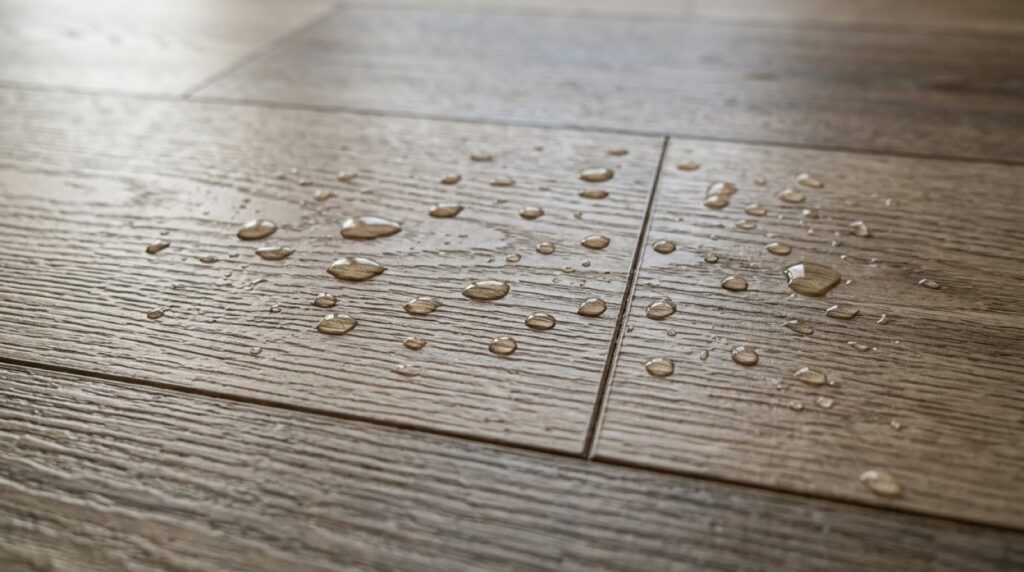
Our Top 10 Picks for Flooring and Pet-Friendly Floor Care
To help you select dependable materials and cleaning tools, our team has selected ten proven product categories for busy family homes:
- Rigid Core Luxury Vinyl Plank Flooring (SPC): A heavy-duty 20-mil wear layer vinyl plank delivering complete waterproof performance, realistic wood texture, and high scratch defense. Typical cost: $2.50 to $5.50 per square foot for materials.
- Glazed Matte Porcelain Floor Tile: High-density, impervious tile offering near-indestructible durability and wet traction for mudrooms and bathrooms. Typical cost: $3.00 to $8.00 per square foot for materials.
- Water-Resistant Laminate Flooring (AC4 Rated): Commercial-grade surface protection with tight locking seams that withstands heavy dog traffic and dropped toys. Typical cost: $2.00 to $4.50 per square foot for materials.
- Peel-and-Stick Modular Carpet Tiles: Stain-resistant, loopless carpet squares designed for easy DIY installation in playrooms, allowing individual tile replacement. Typical cost: $1.50 to $3.50 per square foot.
- Enzymatic Pet Stain and Odor Eliminator Spray: An essential bio-enzymatic formula that breaks down uric acid crystals and proteins to eliminate pet odors permanently. Typical cost: $15 to $25 per 32-ounce spray bottle.
- Waterproof Dual-Surface Felt and Rubber Rug Pad: A dense cushioning pad with a solid moisture barrier that prevents liquids from soaking through to your subfloor. Typical cost: $35 to $80 depending on size.
- Machine-Washable Low-Pile Area Rug: A lightweight, stain-resistant area rug that can be laundered in a residential washing machine when accidents happen. Typical cost: $80 to $220 for common room sizes.
- Neutral pH Hard Surface Floor Cleaner: A gentle, streak-free cleaner for vinyl, laminate, and sealed hardwood that cleans without stripping finishes. Typical cost: $12 to $22 per bottle.
- Microfiber Spray Mop Kit with Washable Pads: A lightweight spray mop with reusable microfiber pads for swift cleaning without soaking hard floors. Typical cost: $20 to $40 per kit.
- Heavy-Duty Felt Furniture Floor Protectors: Self-adhesive thick felt pads that prevent furniture legs from scuffing and scratching hard floors. Typical cost: $10 to $18 per variety pack.
Frequently Asked Questions
What is the most scratch-resistant flooring for large dogs?
Glazed porcelain tile is the most scratch-proof material because dog claws cannot scratch its fired surface. For wood-look flooring, AC4 or AC5 laminate and rigid core vinyl with a 20-mil wear layer provide the best protection against claw marks and heavy traffic.
Can pet urine permanently ruin luxury vinyl plank or laminate?
Luxury vinyl plank is 100% waterproof and will not be damaged by pet urine, though liquid left standing can seep through edges and reach the subfloor. On laminate or hardwood, acidic urine can cause seam swelling and dark staining if not cleaned promptly with an enzymatic formula.
Is porcelain tile too slippery or cold for pets and small children?
Polished porcelain can become slick when wet, posing a slipping hazard for running children and pets. Choose matte or textured tile with a DCOF rating of 0.42 or higher. In cool climates, radiant floor heating or non-slip washable rugs keep the surface comfortable.
How thick of a wear layer do I need for vinyl flooring with pets?
For homes with active kids and dogs, we recommend a wear layer of at least 20 mils. Planks with a 20-mil or 22-mil commercial wear layer enhanced with ceramic bead additives will resist scratches and scuffs for decades.
Are carpet tiles truly practical for homes with pets?
Yes, modular carpet tiles are far more practical than wall-to-wall carpeting. Their loopless pile prevents pet claw snags, and individual stained tiles can be rinsed in a sink or replaced with a spare square in minutes.
Final Thoughts: Building a Resilient, Family-Ready Home
Upgrading your floors should bring peace of mind, not constant worry about spills, muddy shoes, or energetic pets. By prioritizing specifications like 20-mil wear layers, AC4 laminate ratings, and waterproof rigid cores, you can enjoy the warmth of natural wood or stone alongside easy maintenance.
At Home Remodel Guidance, we believe great design should adapt to your family’s everyday life. Choose durable materials suited to each room, protect high-traffic paths with washable rugs, and keep up with simple cleaning routines. With these upgrades, your home will remain welcoming, stylish, and resilient for years to come.