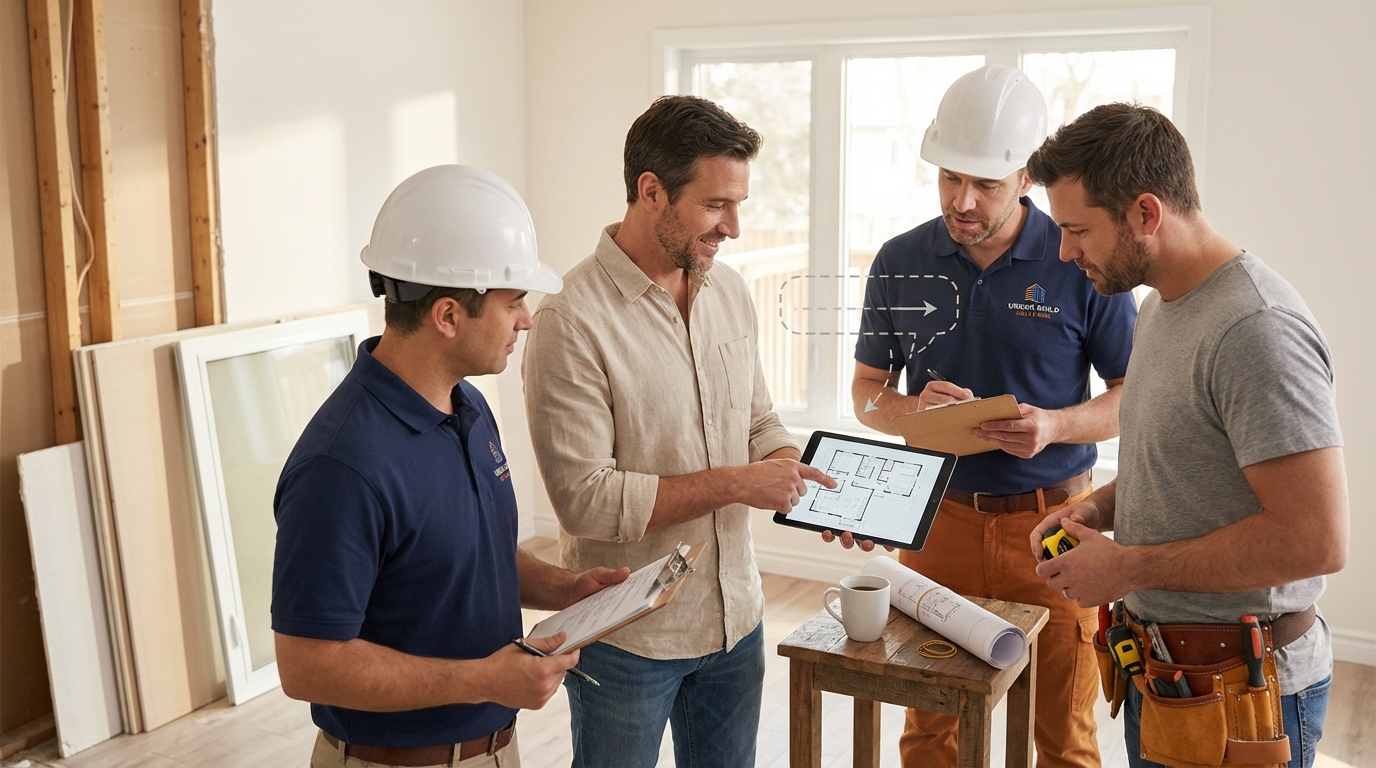
Starting a home improvement journey can feel both exciting and overwhelming. Many people find themselves unsure how to work best with their construction crew. This guide helps you build a strong partnership with your team.
Have you ever felt confused about project timelines or worried about unexpected changes? You’re not alone. Many homeowners experience frustration when updates are unclear. Good dialogue prevents these stressful moments.
Remember that working together is a two-way street. Your input matters just as much as the professionals’ expertise. When everyone shares information openly, the entire process runs more smoothly.
We’ll explore practical ways to set clear expectations from day one. You’ll learn how documenting agreements protects your vision. Building positive relationships with your crew leads to better results for your home.
While hiring experts might seem intimidating, you have more control than you realize. Speaking up about your needs ensures the final outcome matches what you imagined. Your voice makes a real difference in creating the space you love.
Key Takeaways
- Clear dialogue from the start prevents misunderstandings later
- Your active participation is essential for project success
- Documenting agreements protects your vision and investment
- Building positive relationships with your team improves results
- Regular updates keep everyone aligned on progress
- Speaking up about concerns leads to better outcomes
- Technology can help streamline information sharing
Understanding the Role of Communication in Home Renovations
At the heart of every smooth home transformation is a strong partnership built on mutual understanding. This connection forms the foundation for successful outcomes.
Why Clear Communication Matters
Research reveals that people typically absorb only 17-25% of what others share. This highlights why active listening and clear messaging are crucial during construction work.
Nonverbal cues carry significant weight in exchanges. How you convey information often matters more than the actual words used.
The Impact on Project Success
Effective information sharing directly influences your project’s outcome. When details get misunderstood, problems like budget overruns and timeline delays often follow.
Homeowners sometimes feel frustration when working with teams that have poor interaction skills. Building good communication with your home renovation prevents these stressful situations.
| Communication Approach | Project Outcome | Homeowner Experience |
|---|---|---|
| Clear, regular updates | On-time completion | Confident and informed |
| Infrequent, vague messages | Frequent delays | Anxious and uncertain |
| Detailed documentation | Budget adherence | Satisfied with results |
| Assumed understanding | Unexpected costs | Frustrated with process |
Both homeowners and contractors share responsibility for creating shared meaning. Your proactive expression of needs ensures the final space matches your vision.
Fundamental Renovation Communication Tips
Before the first tool is ever picked up, the most important work happens on paper. A clear plan is the foundation for a smooth project. This initial step prevents confusion throughout the entire renovation process.
Establishing a Clear Project Scope
Start by writing down your vision. Be specific about your goals and must-have items. This document becomes your guide.
Include every detail you can imagine. Think about colors, finishes, and specific materials. A vague idea leads to unexpected results. Clear details protect your budget and your peace of mind.
Documenting Goals, Budget, and Timelines
Never rely on a handshake or a verbal agreement. Your contractor should provide a detailed written contract. This is a standard professional practice.
The contract must list all work to be completed. It should also state the total cost, payment schedule, and a realistic timeline. This level of documentation is crucial for a successful partnership. For more on this, see our guide on how to collaborate with contractors for best.
| Documentation Element | Protects Against | Ensures |
|---|---|---|
| Detailed Scope of Work | Unexpected changes & costs | You get what you paid for |
| Itemized Materials List | Substitute products | Quality matches your vision |
| Signed Payment Schedule | Financial disputes | Work progresses as planned |
This careful planning sets the stage for a positive communication flow. It turns a complex process into a manageable project. Your preparation is the first step toward success.
Setting Clear Goals and Expectations for Your Renovation
Before hammers start swinging, smart homeowners define their non-negotiable requirements. This upfront clarity prevents confusion and keeps your project on track from day one.
Identifying Priorities and Must-Haves
Start by creating two distinct lists for your home transformation. Your must-haves are essential elements that cannot be compromised. Nice-to-have features can be adjusted if budget or timeline constraints appear.
Ask yourself key questions to clarify your vision. What problems are you trying to solve? How will the space function daily? This step ensures your priorities align with practical needs.
Determining Roles and Decision-Making Processes
Establish who has final approval authority for different aspects of the work. This prevents delays when important decisions arise during construction.
Share your availability and preferred contact methods with your contractor. Clear communication channels keep everyone informed throughout the process.
| Planning Approach | Decision Clarity | Project Outcome |
|---|---|---|
| Detailed must-have list | High clarity on essentials | Vision stays intact |
| Vague wish list | Frequent revisions needed | Budget overruns likely |
| Clear decision-maker | Quick approvals | Timeline adherence |
This careful planning sets the foundation for success. For a comprehensive guide to preparing, see our detailed home renovation checklist that covers every essential step.
Building a Positive Relationship with Your Contractor
Finding the right professional for your remodeling work is about more than just skills and pricing. The relationship you build determines your entire project experience. This partnership goes beyond transactions to create true collaboration.
Sharing Your Vision and Past Experiences
Be open about your complete vision. Explain not just what you want, but why you want it. Share how you’ll use the space daily.
If you’ve had problems with previous builders, don’t hesitate to mention them. A good contractor appreciates this honesty. They can avoid repeating past issues.
Discuss what success looks like to you personally. This helps your builder understand your expectations from day one.
Choosing the Right Renovation Partner
Look for a professional with a proven process. Ask about their step-by-step methodology for each job. This structure ensures consistency.
During interviews, ask key questions: How often will you update me? How do you handle budget changes? Their answers reveal their communication style.
The best contractors treat clients as equals. They listen carefully and put themselves in your shoes. This approach leads to better results and lasting partnerships.
Overcoming Communication Barriers During the Renovation Process
During construction projects, small misunderstandings can quickly escalate into major setbacks. Noise, distance, and industry jargon create natural obstacles to clear dialogue. Recognizing these challenges early helps both homeowners and contractors navigate them successfully.
Active Listening and Providing Constructive Feedback
Put away distractions and focus completely when discussing project details. Most people absorb only a fraction of what they hear because they’re planning their response instead of listening.
Empathy transforms difficult conversations about unexpected issues. When problems arise, acknowledge feelings before diving into technical solutions. This approach builds trust and understanding.
Provide specific feedback rather than vague complaints. Instead of saying “I don’t like this,” explain what concerns you and why. Your contractor can then address the real issue.
Addressing Misunderstandings and Delays
Raise concerns early when something looks questionable. A timely question prevents small issues from becoming expensive problems later. Don’t assume silence means everything is fine.
Assume positive intent from your construction team. If something seems off, it might be part of the process before completion. Ask respectful questions rather than making accusations.
When delays occur, focus on solutions rather than blame. Work with your contractor to understand the cause and develop a revised timeline. This collaborative approach keeps the project moving forward.
Leveraging Technology for Better Project Updates
Digital tools have reshaped how homeowners and builders interact during construction projects. The days of waiting for weekly phone calls are fading. Now, instant updates keep everyone aligned throughout the entire process.
Technology creates a transparent window into your project’s progress. You can see real-time photos and receive immediate answers to your questions. This constant flow of information builds confidence and prevents misunderstandings.
Using Digital Tools to Track Progress
Simple apps and shared documents transform complex projects into manageable tasks. Create a digital notebook to track material selections and delivery dates. This organized approach ensures nothing gets overlooked.
Video calls offer a powerful way to view work without visiting the site. When distance or schedule conflicts arise, a quick virtual tour keeps you involved. Your contractor can show specific details and explain next steps clearly.
Set regular digital check-ins using calendar reminders. These brief touchpoints keep information flowing smoothly. The consistency helps both clients and construction teams stay on the same page.
While technology offers incredible convenience, balance digital updates with occasional site visits. Face-to-face conversations still provide valuable context. The combination creates the most effective communication strategy for any home improvement project.
Conclusion
Your home transformation journey reaches its final stage when the last piece is installed. The success of your entire project hinges on the quality of your partnership with the construction team.
While no home improvement endeavor is completely problem-free, choosing a contractor who values transparent communication dramatically reduces risks. This approach turns unexpected challenges into manageable situations.
Remember that your involvement continues even after construction ends. Review the finished work against your original goals. Ask about maintenance for new materials and share honest feedback.
You have more influence over your home renovation outcome than you might realize. With the right mindset and a trustworthy partner, you can navigate the entire process with confidence. Your active participation ensures the final result matches your vision perfectly.
Apply these strategies to create the space you’ve always wanted. A collaborative relationship built on clear communication makes your dream home achievable.
FAQ
How can I make sure my contractor understands my vision for the project?
Start by sharing inspiration photos and examples of what you like and dislike. Be open about your past experiences, both good and bad. This helps your contractor grasp your style and avoid potential misunderstandings from the beginning.
What is the single most important thing to document before work begins?
A> Clearly document the project scope. This written plan should outline your goals, the budget, and the expected timeline. Having these details in writing helps keep everyone aligned and manages expectations throughout the remodeling process.
What should I do if there is a delay or an unexpected problem?
A> Address it directly and promptly. Ask your contractor for a clear explanation of the issue and what steps are being taken to resolve it. Open and honest dialogue about problems as they arise is key to finding solutions and minimizing frustration.
How often should I expect updates on the progress of the work?
A> This should be agreed upon upfront. Many teams provide weekly summaries, but for faster-paced jobs, you might prefer brief daily check-ins. Discuss and set a communication schedule that works for both you and your contractor to stay informed.
What’s the best way to handle changes or new ideas once construction has started?
A> Discuss any change immediately with your contractor. They can explain the impact on the budget, timeline, and overall plan. Making decisions together, with a clear understanding of the consequences, helps prevent costly and time-consuming issues later.
How can technology help during a home improvement project?
A> Digital tools like shared photo albums, project management apps, or group chats can be incredibly helpful. They provide a central place for updates, photos, and questions, keeping all information organized and accessible to everyone involved.