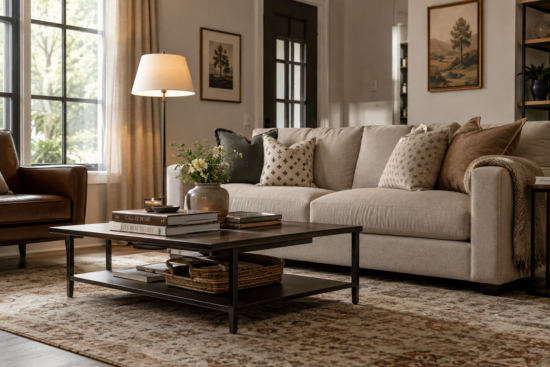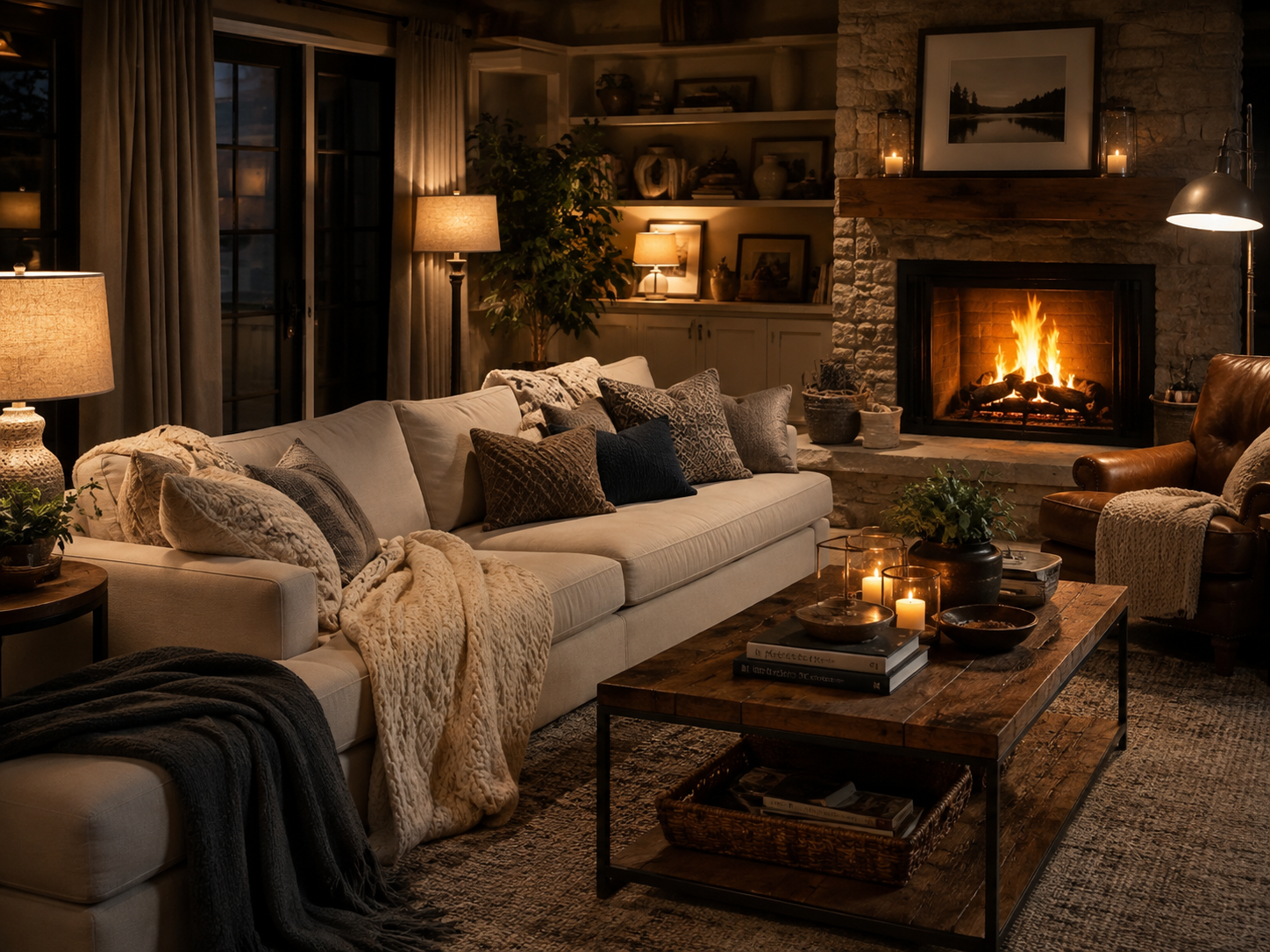
Turning your house into a comfortable retreat doesn’t require a complete renovation or a large budget—just a few thoughtful touches that make the space feel welcoming. Research from Psychology Today shows that cozy spaces reduce stress and improve mood by creating a sense of security and belonging. Whether you’re working with an empty room or updating an existing space, small changes like mixing textures, using warm lighting, and adding personal items can make a noticeable difference. Below are 10 practical ways to create a space that feels inviting every time you walk in.
At a glance
- A cozy home balances warmth, comfort, and personality through thoughtful design.
- Combining textures, warm lighting, and soft colors creates visual and tactile comfort.
- Personal items, such as photos or handmade objects, help a house feel like home.
- You can achieve a cozy look on any budget by shopping secondhand or reusing what you already own.
Why Coziness Matters in a Home
Coziness isn’t just about appearance—it’s about creating a place where you can unwind after a long day. A 2023 study in Environmental Psychology found that people who describe their homes as cozy report higher life satisfaction and lower anxiety. Cozy spaces help activate the body’s relaxation response, making it easier to recharge. You don’t need a large home to achieve this; even a small apartment can feel like a retreat when designed with warmth in mind.
Coziness comes down to three main elements:
- Visual warmth: Colors and textures that feel inviting, such as warm neutrals, soft fabrics, and natural wood.
- Sensory comfort: Lighting that’s gentle on the eyes, scents that bring back memories, and surfaces that feel soft to touch.
- Emotional connection: Objects that reflect your life, like a quilt from a family member or a stack of books you’ve loved for years.
Focusing on these elements turns decorating into curating an experience. The good news? You can start small. Even rearranging furniture to create intimate seating areas can make a room feel more welcoming, according to Real Simple.
10 Easy Ways to Make Your Home Look and Feel Cozy
1. Layer Textures Like a Pro
Texture is the key to coziness. Instead of relying on one fabric or material, mix different textures to add depth and warmth. Start with a base layer, like a soft area rug in wool or cotton. Then add throw pillows in velvet, linen, or knit fabrics. Finish with a chunky knit blanket draped over a couch or chair. The more layers you add, the more inviting the space becomes.
Don’t hesitate to pair unexpected textures. Try a smooth leather armchair with a fluffy sheepskin rug or a glass coffee table with a woven jute side table. The contrast draws the eye and makes the room feel more dynamic. Interior designer Emily Henderson notes that rooms with three or more textures feel more curated and lived-in than those with only one or two.
2. Warm Up Your Color Palette
Color sets the mood, and warm, earthy tones help create coziness. Skip stark whites or cool grays in favor of shades like:
- Cream or beige for walls and large furniture.
- Terracotta, mustard, or olive green for accents.
- Deep browns or blacks for grounding elements like bookshelves or rugs.
If you prefer neutral colors but want more warmth, choose warm neutrals over cool ones. A “greige” wall color (a mix of gray and beige) can make a room feel cozy without overwhelming the space. The ELLE Decor team recommends shades like Sherwin-Williams’ Accessible Beige or Benjamin Moore’s Revere Pewter for a timeless, cozy look.
Use color to define zones in open-concept spaces. For example, paint your living room a warm taupe and your dining area a deeper burgundy to separate the areas while keeping the overall feel cohesive. If you’re unsure where to start, try the 60-30-10 rule: 60% dominant color (walls), 30% secondary color (furniture), and 10% accent color (decor).
3. Soft Lighting Is Essential
Harsh overhead lighting works against coziness. Instead, use a layered lighting plan with three types of light:
- Ambient lighting: Soft, diffused light from floor lamps, table lamps, or wall sconces. Choose bulbs with a color temperature between 2700K and 3000K (warm white) for a cozy glow.
- Task lighting: Focused light for reading, cooking, or working. Adjustable floor lamps or under-cabinet lighting work well here.
- Accent lighting: Subtle touches like string lights, LED strips under shelves, or candles to add warmth and ambiance.
Dimmer switches let you adjust lighting to match the time of day or the mood. Brighten the lights while cooking dinner, then dim them for a movie night. If you rent or want an affordable option, plug-in wall sconces or clamp lamps work well. Don’t overlook natural light either. Sheer curtains or linen drapes soften harsh sunlight while letting in warmth. According to Architectural Digest, north-facing windows often provide the softest, most diffused light, while south-facing windows can be bright but may need extra diffusion.
4. Bring the Outdoors In with Natural Elements
Nature has a calming effect, and adding natural materials can make a room feel cozier. Start with plants—both real and faux. Snake plants, pothos, and fiddle-leaf figs are easy to care for and add life to a room. If you’re not confident with plants, high-quality faux options work just as well.
Wood is another natural material that adds warmth. Look for furniture in oak, walnut, or pine, or add wooden accents like cutting boards, bowls, or wall art. Even small touches, like a wooden tray on a coffee table or a live-edge shelf, make a difference.
Stone and rattan also add texture and tactile warmth. A jute rug, a marble side table, or a rattan pendant light can ground a space and make it feel more organic. Balance these elements so they don’t feel cluttered. Stick to one or two natural materials per room to avoid visual chaos.
5. Create Intimate Seating Areas
A common mistake in modern home design is pushing all furniture against the walls, leaving the center of the room empty. Instead, arrange seating to encourage conversation and connection. Place two armchairs at a 45-degree angle to each other with a small side table between them. Or angle your couch toward a fireplace or a reading nook.
In open-concept spaces, use rugs or furniture placement to define different zones. A large area rug can anchor your living room seating, while a smaller rug might define a reading corner. This approach helps create separation without walls. If you have a small space, consider a loveseat instead of a full-sized couch or a compact armchair that’s easy to move.
Don’t forget vertical space. Floor-to-ceiling bookshelves or a tall plant draw the eye upward and make a room feel more spacious.
6. Personalize with Meaningful Decor
A cozy home reflects who you are. Fill your space with items that tell your story, such as family photos, travel souvenirs, or handmade crafts. Display these on shelves, walls, or side tables where they can be enjoyed. A gallery wall of black-and-white photos, a collection of vintage postcards, or a quilt made by a loved one adds personality and warmth.
Art also personalizes your space. You don’t need expensive paintings—prints, posters, or even your own artwork can add character. Choose pieces that evoke emotion or remind you of a favorite place. The Apartment Therapy team suggests mixing high and low art, like pairing a thrifted painting with a modern print.
Scent is another powerful way to make a home feel cozy. Candles, diffusers, or even freshly baked goods can make your home smell as inviting as it looks. Scents like vanilla, lavender, and sandalwood are universally warm and inviting.
7. Add Cozy Nooks and Reading Corners
Everyone needs a corner where they can curl up with a book, sip tea, or simply relax. Even without a dedicated room, you can create a cozy nook in a spare closet, under a staircase, or in a quiet corner of your bedroom. Start with a comfortable chair, a soft throw blanket, and a small side table for your tea or book. Add a floor lamp or string lights for a soft glow, and you’ve got a perfect retreat.
If you love to read, consider a home library or a built-in reading nook. Even a simple shelf with your favorite books and a comfortable cushion can make a difference. Make the space inviting and functional by adding a small bookshelf, a side table for coffee, and a reading lamp.
For families with kids, a cozy nook can double as a play area or quiet spot. Pile up floor cushions, add a basket of stuffed animals, and let the kids claim it as their own. The more personalized and inviting the space, the more likely it is to be used.
8. Declutter and Organize for Peace of Mind
Clutter disrupts coziness. A messy room feels chaotic and stressful, while a tidy space feels calm and inviting. Start by decluttering one room at a time using the “keep, donate, trash” method. Be honest about what you really need and use. If you haven’t worn it in a year or used it in six months, it’s time to let it go.
After decluttering, focus on organization. Use baskets, bins, and shelves to keep everyday items tidy and out of sight. Store blankets in a basket at the end of your couch, or use a decorative tray to corral remotes, candles, and other small items on your coffee table. The mudroom design guide offers tips for keeping entryways clutter-free, which can set the tone for the rest of your home.
Use vertical space with wall-mounted shelves, pegboards, or a coat rack to keep floors clear and make a room feel more open. The goal is to create a space that feels calm and uncluttered so you can relax and enjoy it.
9. Mix Old and New for a Timeless Look
Cozy spaces often feel like they’ve been collected over time, not assembled quickly. Mixing vintage and modern pieces adds character and warmth. Start with a few thrifted finds—a vintage armchair, a flea-market mirror, or a family heirloom—and pair them with simpler, newer pieces. The contrast makes both the old and new items stand out.
Shop at estate sales, flea markets, or online marketplaces like Facebook Marketplace or Craigslist for solid wood furniture, ceramic vases, or woven baskets. Even small touches, like a vintage rug or an antique clock, add history and charm.
Repurpose items you already own. An old ladder can become a blanket rack, or a vintage suitcase can turn into a side table. Embrace imperfections—they make a space feel lived-in and authentic.
10. Make Your Bed the Star of the Show
If you want a cozy bedroom, start with your bed. A well-made bed with crisp sheets, a fluffy duvet, and plenty of pillows can make a room feel like a hotel suite. Choose bedding in natural fabrics like cotton, linen, or bamboo for a soft, breathable feel. Layer on a chunky knit throw or a faux fur blanket for extra warmth, and add decorative pillows in complementary colors.
Don’t overlook the headboard. A wooden or upholstered headboard adds texture and warmth. If you rent, a DIY headboard made from reclaimed wood or a fabric panel can achieve the same effect without a big expense. According to the Sleep Foundation, a cozy bedroom should also be cool (around 65°F) and dark, so invest in blackout curtains and a quality mattress if possible.
Add a few personal touches to your bedside table, like a stack of books, a small plant, or a framed photo. These small details make your bedroom feel like a true sanctuary.
Cozy Home Decor Ideas on a Budget
You don’t need to spend much to make your home feel cozy. Some of the coziest spaces have the most personality and history. Here are a few affordable ideas to get you started:
Thrift and Upcycle
Thrift stores, flea markets, and online marketplaces are great places to find cozy decor. Look for:
- Solid wood furniture that can be refinished or painted.
- Woven baskets for storage and texture.
- Vintage rugs or linens that add pattern and warmth.
- Ceramic vases, mugs, or bowls for a pop of color.
Once you bring items home, give them a little care. Sand and paint a thrifted chair, or use fabric glue to reupholster a cushion. Even small changes can make a big difference in how a piece fits into your space.
DIY Projects for Instant Coziness
If you enjoy crafting, try these DIY projects to add warmth:
- Macramé wall hangings or plant hangers for a boho touch.
- Painted furniture in warm, earthy tones.
- Handmade candles or diffusers for cozy scents.
- No-sew throw pillows using old sweaters or fabric scraps.
The renovation budget guide on our site includes tips for sourcing affordable materials and tools for DIY projects.
Repurpose What You Already Own
Before buying new items, look at what you already have. An old scarf can become a throw blanket, or a stack of books can double as a side table. Even rearranging furniture can make a space feel fresh and cozy. For example, move your couch away from the wall and angle it toward a window or fireplace to create a more intimate seating area.
Swap items between rooms. A dining chair might look better in the living room, or a side table from the bedroom could work in the hallway. Use creativity to make the most of what you already own.
Warm and Inviting Living Room Ideas
The living room is often the heart of the home, so it’s important to make it feel cozy and welcoming. Start with a comfortable seating arrangement that encourages conversation, such as a sectional or a pair of armchairs facing each other. Add a soft area rug to define the space and add warmth underfoot.
Lighting is key in a living room. Use a mix of floor lamps, table lamps, and string lights to create a layered effect. If you have a fireplace, make it the focal point with a stack of firewood, a cozy throw, and some candles. Even without a fireplace, a faux electric one can add ambiance.
Add personal touches like family photos, travel souvenirs, or a collection of books. These items make the space feel like yours and create a sense of warmth and connection. For more ideas, check out our guide on making your living room look polished on a budget.
Creating a Comfortable Home Atmosphere: Final Thoughts
Making your home cozy is about creating a space that feels like a warm embrace. Layer textures, warm up your color palette, and add personal touches to transform even the most sterile room into a sanctuary. Coziness is personal, so experiment and make the space your own.
Start with one or two tips from this list and build from there. Whether you’re updating one room or your whole home, focus on what makes you feel at home. After all, the most important ingredient in a cozy home is the care you put into it.
Frequently Asked Questions
What color makes a room feel cozy?
Warm, earthy tones like cream, beige, terracotta, and olive green make a room feel cozy by creating a sense of warmth and comfort. Avoid cool colors like stark white or cool gray, as they can feel sterile and unwelcoming. If you like neutral palettes, choose warm neutrals like “greige” (a mix of gray and beige) to add depth and coziness.
How can I make my house feel like home?
Make your house feel like home by filling it with personal items that tell your story. Display family photos, travel souvenirs, or handmade crafts on shelves and walls. Use blankets, pillows, and rugs to add texture and warmth, and incorporate natural elements like plants, wood, and stone. Create functional and inviting spaces, such as a cozy reading nook or an intimate seating area.
What is the best lighting for a cozy atmosphere?
The best lighting for a cozy atmosphere is warm, soft light with a color temperature between 2700K and 3000K. Use a mix of ambient lighting (floor lamps, table lamps), task lighting (reading lamps, under-cabinet lighting), and accent lighting (string lights, candles) to create a layered effect. Dimmer switches let you adjust the lighting to match the mood, and natural light from sheer curtains softens harsh sunlight.
How do I make my bedroom feel cozy?
To make your bedroom feel cozy, start with your bed. Use crisp sheets, a fluffy duvet, and plenty of pillows, and layer on a chunky knit throw or faux fur blanket. Choose bedding in natural fabrics like cotton or linen, and add a wooden or upholstered headboard for texture. Keep the room cool (around 65°F) and dark with blackout curtains, and add personal touches like a stack of books or a small plant to the bedside table.
Can I make a cozy home on a budget?
Absolutely. Cozy doesn’t have to be expensive. Shop at thrift stores, flea markets, or online marketplaces for affordable decor, and repurpose items you already own. DIY projects like painted furniture, macramé wall hangings, or no-sew throw pillows add warmth without a big expense. Focus on layering textures, warming up your color palette, and adding personal touches to create a cozy space that feels like home.
What are some easy ways to add warmth to a room?
Easy ways to add warmth include layering textures with blankets, pillows, and rugs; warming up your color palette with earthy tones; and using soft lighting like floor lamps, table lamps, and string lights. Incorporate natural elements like plants, wood, or stone, and add personal touches like family photos or travel souvenirs. Even rearranging furniture to create intimate seating areas can make a room feel more inviting and cozy.