As we head into the final quarter of 2026, homeowners and interior designers are turning their attention toward the defining aesthetics of the upcoming year. Residential design is experiencing a major shift away from cold, clinical spaces toward environments that celebrate warmth, rich textures, and personal comfort. Exploring emerging home design trends 2027 reveals a refreshing balance between timeless organic craftsmanship and understated modern convenience.
At Home Remodel Guidance, our team tracks how real homes evolve across every stage of renovation. We evaluate not just what catches the eye in editorial photo shoots, but what creates long-term livability, durability, and practical value for your investment. Whether you are planning a whole-home remodel or updating a single room, understanding how home design trends 2027 are shaping modern spaces will help you make confident, enduring choices.
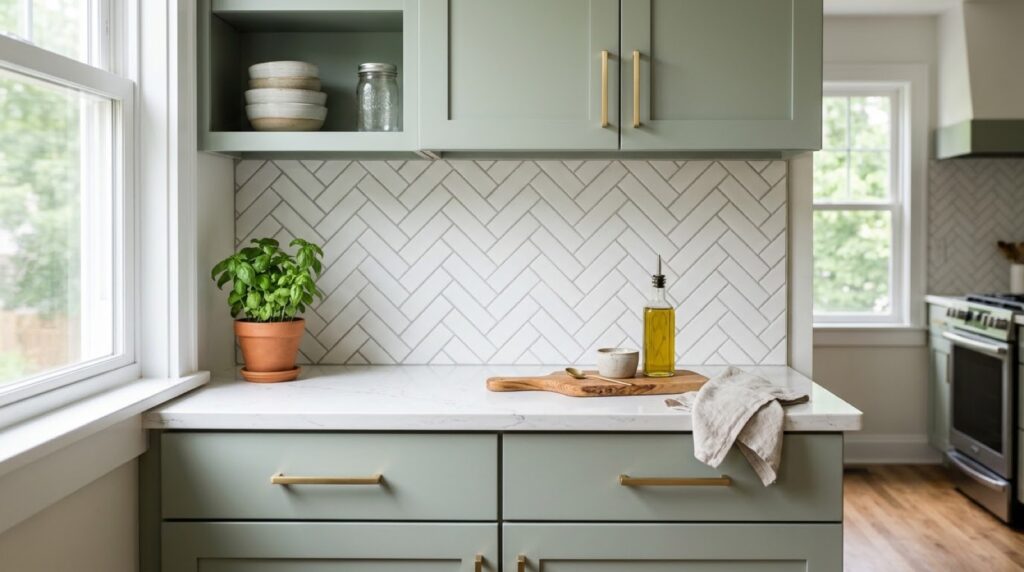
At a Glance: What Is Shaping 2027 Interiors
- Warm minimalism replaces sterile modernism with tactile lime wash, textured plaster, and rich woods.
- Earthy color palettes like terracotta, warm ochre, olive green, and creamy off-whites take center stage.
- Natural stone and zellige tiles bring artisanal texture and organic variation to kitchens and baths.
- Two-tone kitchen cabinetry combines stained natural wood bases with muted painted uppers.
- Wellness-centered bathrooms feature curbless walk-in showers, soaking tubs, and organic finishes.
- Architectural curves and soft arches soften doorways, cabinetry profiles, and living room furniture.
- Layered statement lighting replaces flat recessed grids with sculptural pendants and warm ambient sources.
- Multifunctional flex spaces integrate built-in acoustic management and adaptable partitions.
- Invisible smart home tech focuses on automated comfort, circadian lighting, and hidden infrastructure.
- Sustainable natural materials prioritize low-VOC finishes, quarried stone, and reclaimed wood.
1. Warm Minimalism: Tactile Surfaces Over Stark Spaces
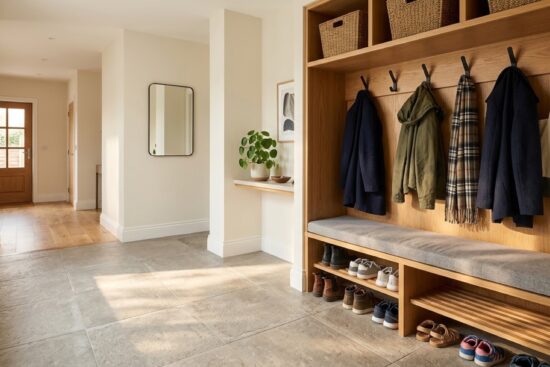
For years, minimalism meant stark white walls, sharp metal angles, and sparse furniture that felt more like a gallery than a home. In 2027, minimalism has evolved into an inviting aesthetic known as warm minimalism. This approach preserves clean lines and clutter-free surfaces while infusing rooms with rich, tactile materials that create comfort and depth.
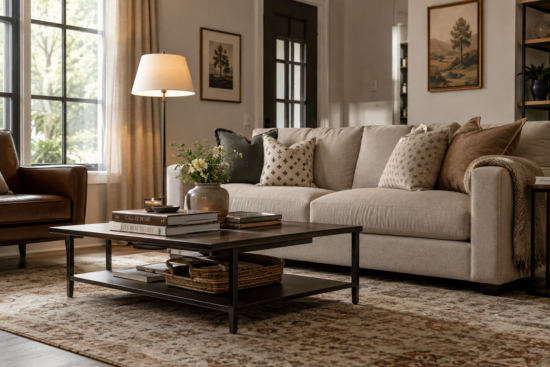
Instead of flat drywall with basic latex paint, walls are treated with breathable lime wash, Roman clay, or subtle plaster finishes. These mineral treatments catch daylight softly, creating gentle movement across the room. Furniture pieces emphasize natural grain in white oak, walnut, and ash, paired with nubby bouclé, raw linen, and brushed wool upholstery to keep living areas calm and grounded.
2. Earthy Color Palettes: Moving Away from Cool Grays
The era of monochromatic cool gray is firmly behind us. Homeowners are embracing nature-inspired palettes that evoke outdoor warmth. Rich terracotta, warm ochre, muted sage, moss green, deep olive, and creamy almond are leading the way across cabinetry, accent walls, and upholstery.
These shades act as versatile foundational neutrals rather than aggressive accent colors. A deep olive dining room or a soft terracotta entryway creates an intimate mood without overwhelming the space. Paired with unlacquered brass hardware and natural wood flooring, these earthy tones provide a timeless backdrop. For more palette insights, review our guide on interior color trends and what is popular in home design.
3. The Curated Kitchen: Two-Tone Cabinets and Zellige Tile
Kitchens remain the central gathering hub of the home, but their aesthetic is shifting from clinical utility to furniture-like artistry. The all-white kitchen with polished chrome fixtures is stepping aside for rich, layered combinations. Two-tone cabinetry has emerged as a cornerstone of modern kitchen remodeling, typically pairing stained white oak or walnut lower cabinets with soft putty, mushroom, or sage green upper cabinets.
Backsplashes are also undergoing a transformation. Standard machine-cut subway tiles are giving way to handcrafted zellige ceramic tiles, whose subtle tone variations catch light beautifully. Countertops lean into dramatic natural stones like quartzite, soapstone, and honed marble, often carried up the wall as a continuous slab backsplash.
Pro Tip: Structural Support and Utility Planning
When installing dense quartzite or full-height stone backsplashes, ensure your base cabinets and framing are rated to support the extra weight. Always hire a licensed plumber and licensed electrician when relocating gas supply lines, sink plumbing, or high-draw induction cooktop circuits.
4. Wellness Bathrooms: Spa Atmosphere and Organic Textures
Bathrooms are no longer treated as strictly utilitarian spaces; they are designed as dedicated personal wellness retreats. Homeowners are prioritizing sensory relaxation, acoustic calm, and spa-inspired fixtures that make daily routines feel rejuvenating.
Curbless walk-in showers with floor-to-ceiling glass continue to lead luxury renovations. Extending the bathroom floor tile directly into the shower pan creates an accessible, seamless look. Built-in stone benches, recessed niches with warm LED accent lighting, and dual shower systems featuring rainfall heads offer a custom experience.
Freestanding soaking tubs crafted from composite stone are replacing bulky acrylic whirlpool units. Paired with fluted wood vanities, matte black or brushed bronze fixtures, and limestone wall tiles, the modern bath balances hygiene with tranquility. To see how these features compare with previous cycles, read our guide on modern bathroom trends and what is in and out. Always consult a licensed plumber before relocating primary drains.
5. Architectural Curves: Soft Arches and Sculptural Forms
Rigid boxy rooms and sharp right angles are being softened by graceful architectural curves. Arched entryways, barrel-vaulted ceiling transitions, and curved drywall alcoves add structural character to both historic renovations and modern builds, guiding the eye gently through the floor plan.
In living and dining areas, this curvature extends to furniture and built-in elements. Curved sofas, circular coffee tables, and rounded kitchen island corners eliminate harsh pinch points while encouraging conversation. When planning arched openings in structural walls, work with a qualified structural engineer or licensed general contractor to verify load-bearing framing before demo begins.
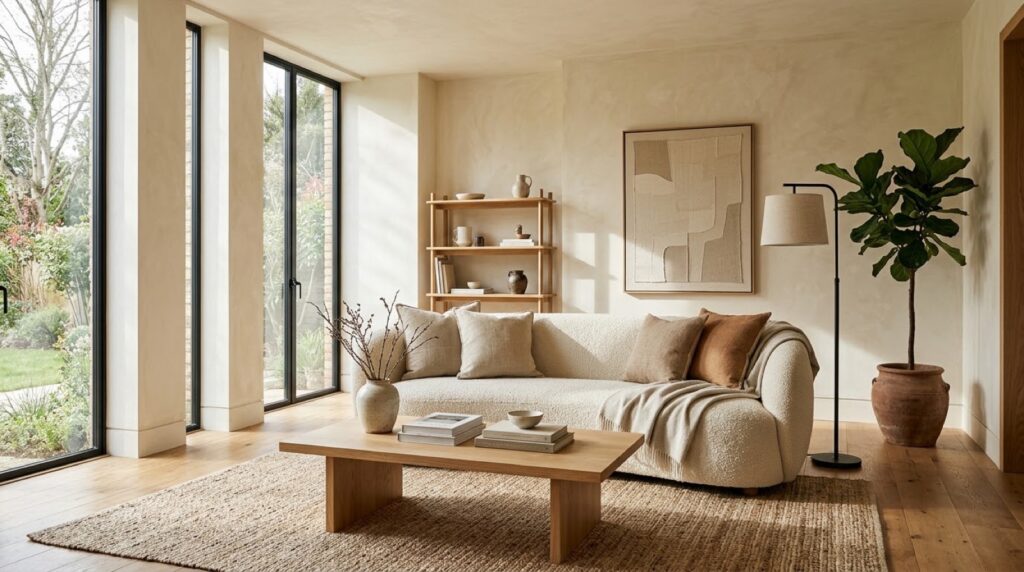
6. Layered Statement Lighting: Warmth and Dimension
One of the most noticeable shifts in home design trends 2027 is the rejection of flat, over-illuminated ceiling grids. Relying solely on recessed cans washes out textures and creates a harsh commercial feel. Modern design emphasizes intentional lighting layers that combine ambient, task, and accent fixtures.
Sculptural pendants made from hand-blown frosted glass, woven rattan, spun brass, or ceramic act as functional art above tables and islands. Picture lights, flush-mount plaster fixtures, and concealed LED cove lighting add soft illumination at eye level. For step-by-step layout strategies, see our guide on lighting layers and creating the perfect home illumination plan. Always hire a licensed electrical contractor for hardwired installations.
7. Flexible Living Spaces: A Key Home Design Trend for 2027
The rigid open-concept layout that dominated previous decades is evolving into broken-plan living. Homeowners still appreciate open sightlines, but they need functional separation for remote work, study, and quiet relaxation. The solution is the adaptable flex room.
Pocket doors, fluted glass partitions, and custom room dividers allow large living zones to be closed off when needed. In dedicated work areas, acoustic comfort is paramount. Sound-dampening felt panels, solid-core doors, and acoustic wood slat wall paneling prevent echo and contain sound during video calls. For more layout ideas, read our guide on the evolution of home office design post-pandemic.
8. Seamless Smart Home Tech: Invisible Convenience
Early smart home devices often cluttered surfaces with bulky hubs, tangled wires, and bright indicator lights. Modern smart technology embraces invisibility, integrating directly into walls, millwork, and electrical systems to enhance daily comfort quietly.
Circadian lighting automation adjusts color temperature and brightness throughout the day, moving from energizing morning daylight to warm evening amber. Motorized roller shades recessed into ceiling pockets manage heat gain and privacy automatically. Smart leak detectors beneath water heaters and vanities shut off main water valves if moisture is detected. To prepare your home, explore our guide to smart home integration and the future of residential renovations.
9. Sustainable Materials: Low-VOC Finishes and Natural Craftsmanship
When analyzing how home design trends 2027 are reshaping materials, sustainability stands out as a fundamental expectation. Homeowners are mindful of indoor air quality, material lifecycle, and environmental impact, driving demand for non-toxic and responsibly sourced products.
Key sustainable materials include low-VOC mineral paints that off-gas zero harmful chemicals, reclaimed timber that adds character without deforestation, and composite quartz incorporating recycled porcelain. Natural cork and linoleum flooring also provide renewable surfaces with exceptional acoustic softness underfoot. Incorporating these eco-friendly building materials creates enduring spaces while protecting natural resources.
What Is Out: Design Trends Fading in 2027
Knowing what design elements to avoid is just as crucial as knowing what to include. Trends that were ubiquitous over the past decade have reached saturation, and installing them today can make a fresh remodel feel dated prematurely. Here are the major trends making an exit:
- All-White Sterile Kitchens: Flat white shaker cabinets paired with stark white subway tile and gray quartz create a cold atmosphere lacking warmth.
- Monochromatic Cool Gray Everywhere: Gray walls, gray vinyl plank flooring, and gray upholstery (known as millennial gray) are being replaced by warm beiges, taupes, and earthy greens.
- Open Shelving Overload: Replacing entire upper cabinet runs with open shelving proves impractical for everyday dust and grease management.
- Fast-Furniture Faux Farmhouse: Mass-produced faux-distressed shiplap and printed wood plaques are giving way to authentic architectural details and custom millwork.
- Single-Purpose Dead Zones: Formal dining and living rooms that sit unused for most of the year are being converted into multifunctional libraries, music rooms, or lounges.
2027 Design Trends: In vs. Out Quick Reference
| Design Element | What Is In (2027) | What Is Out |
|---|---|---|
| Cabinet Color | Two-tone wood and earthy muted tones | All-white sterile monochrome |
| Wall Finishes | Textured lime wash, plaster, warm neutrals | Flat cold gray latex paint |
| Kitchen Backsplash | Handcrafted zellige tile and full stone slabs | Standard glossy flat subway tile |
| Bathroom Fixtures | Curbless walk-in showers and composite soaking tubs | Oversized acrylic whirlpool jetted tubs |
| Architectural Lines | Soft arches, curved walls, rounded islands | Rigid right angles and boxy room layouts |
| Lighting Strategy | Layered statement pendants and warm dimming | Harsh grids of recessed ceiling cans |
| Smart Devices | Invisible, hardwired, automated systems | Bulky plastic countertop voice pods |
Our Top 10 Picks for 2027 Home Design Upgrades
If you want to incorporate these forward-looking trends into your own residence, here are ten on-trend product categories and fixtures that deliver maximum visual and functional impact:
- Handmade Zellige Ceramic Wall Tile: Perfect for kitchen backsplashes and bathroom accent walls, this artisanal glazed tile provides subtle light reflection and unique texture in every piece. Typical price range: $12 to $25 per square foot.
- Fluted Natural Wood Bathroom Vanity: A freestanding or wall-hung oak vanity with vertical fluting adds rich texture and architectural depth to powder rooms and primary baths. Typical price range: $600 to $1,800.
- Sculptural Brushed Brass Pendant Light: An organic or geometric brass pendant creates an eye-catching focal point above a dining table or kitchen island without overwhelming sightlines. Typical price range: $120 to $350.
- Natural Mineral Lime Wash Interior Paint: Formulated with slaked lime and natural pigments, this breathable mineral paint creates a soft, chalky, textured patina on accent walls and living rooms. Typical price range: $50 to $95 per gallon.
- Matte Black Gooseneck Pull-Down Kitchen Faucet: Featuring clean curves and a durable non-reflective finish, this faucet anchors two-tone kitchen cabinetry and contrasts beautifully against natural stone counters. Typical price range: $150 to $400.
- Curved Bouclé Upholstered Accent Chair: Rounded silhouettes and cozy textured bouclé fabric soften angular living rooms while providing comfortable conversation seating. Typical price range: $220 to $550.
- Honed Travertine Stone Coffee Table: Natural unfilled or honed travertine stone introduces earthy warmth, organic veining, and enduring sculptural elegance to modern seating areas. Typical price range: $300 to $850.
- Matter-Enabled Smart In-Wall Dimmer Switches: Replace outdated toggles with discrete smart dimmers that allow circadian lighting scheduling and automated scenes across your entire home. Typical price range: $30 to $65 per switch.
- Acoustic Oak Wood Slat Wall Panels: Combining vertical wood slats with a recycled felt backing, these panels dramatically reduce room echo while adding warm architectural detail behind desks or media consoles. Typical price range: $90 to $180 per box.
- Heavy-Duty Reclaimed Wood Floating Shelves: Crafted from salvaged solid lumber with concealed heavy-duty steel brackets, these shelves offer intentional display storage in kitchens and reading nooks. Typical price range: $60 to $140 per shelf.
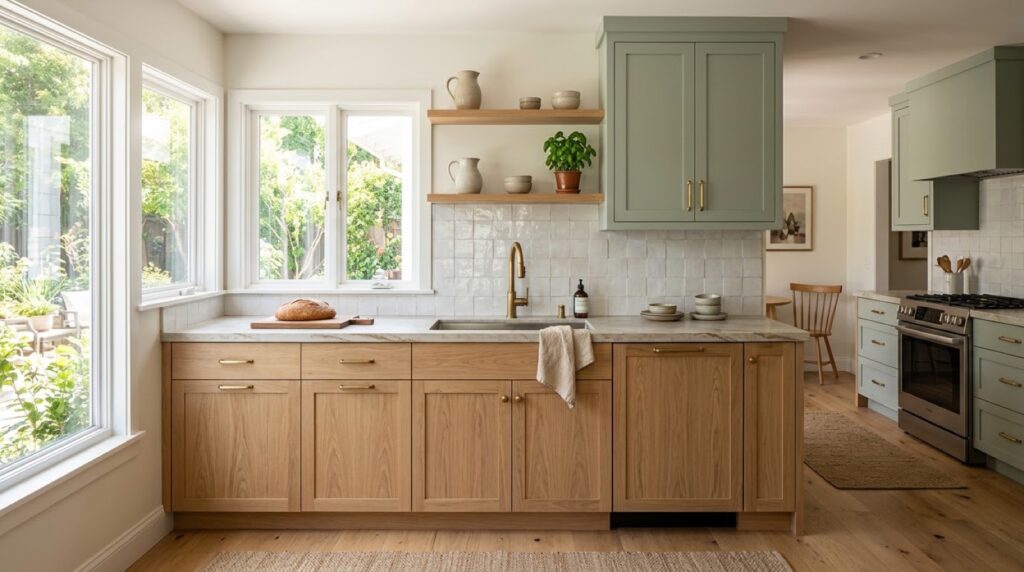
How to Budget and Sequence Your 2027 Upgrades
Embarking on a remodel requires careful planning to prevent budget overruns and construction delays. Because many key upgrades involve custom millwork, high-end stone slabs, and electrical adjustments, following a logical order of operations is essential.
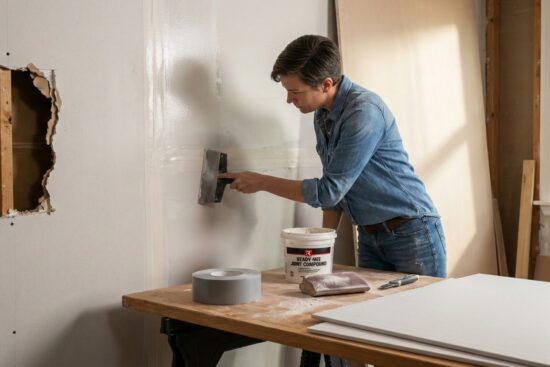
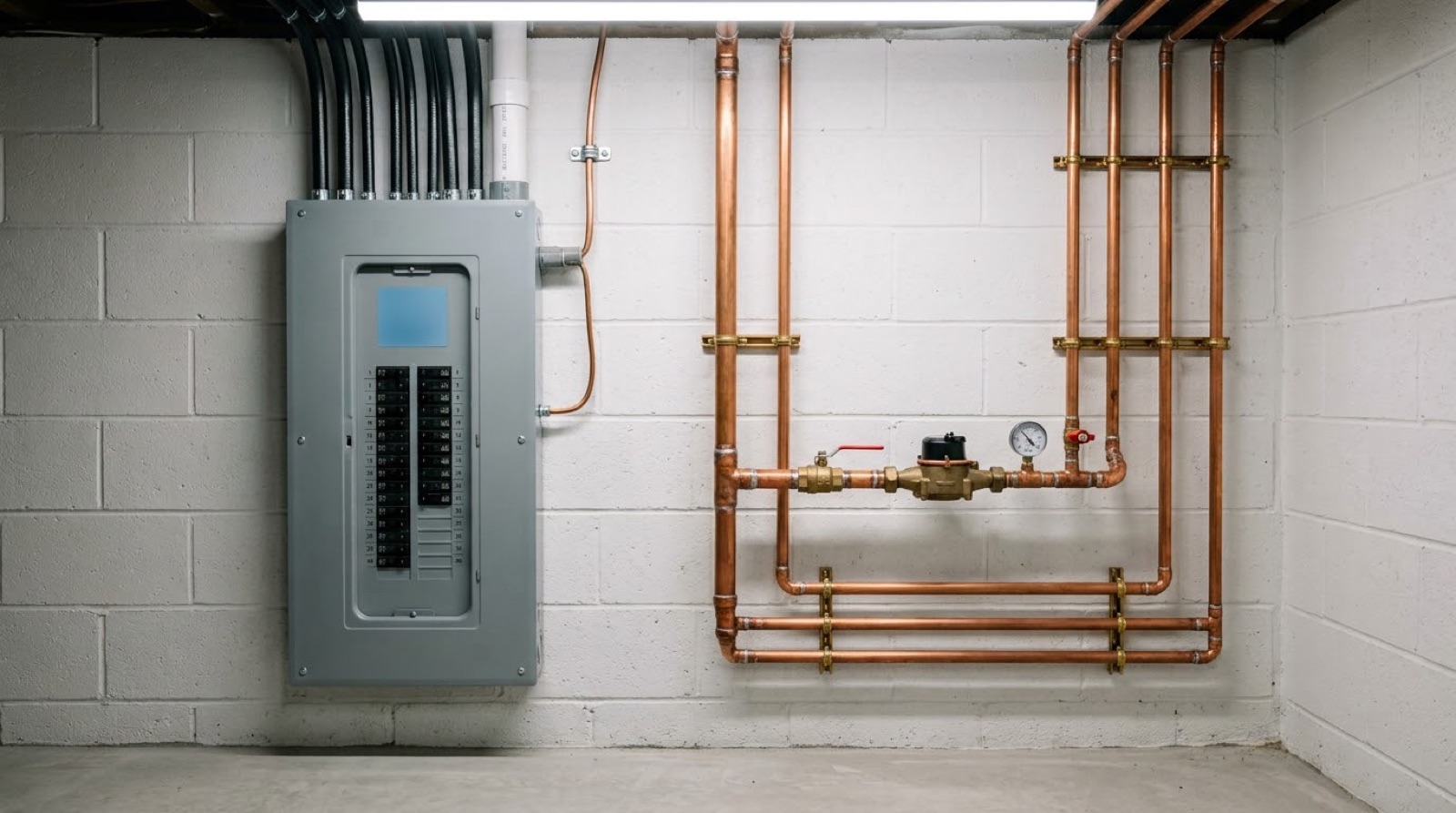
Start by addressing the building envelope and rough infrastructure first. Before updating finishes, ensure your plumbing rough-ins, electrical panel capacity, and subfloors are sound. When planning budgets, allocate a 15% to 20% contingency reserve for unexpected structural or mechanical repairs behind existing walls. For any work involving load-bearing wall removal, gas line modification, panel upgrades, or roof penetrations, always hire licensed, insured professionals rather than attempting dangerous DIY shortcuts.
Frequently Asked Questions
What is the most popular interior design trend for 2027?
Warm minimalism paired with earthy, nature-inspired color palettes is the leading interior direction. Homeowners are prioritizing tactile finishes like lime wash and natural stone alongside rich woods like white oak and walnut, creating calm, welcoming spaces that feel personal rather than sterile.
Are gray walls and gray flooring completely out of style?
Cool, flat grays and gray-toned faux wood flooring have fallen out of favor. Modern design favors warm neutrals, including creamy off-whites, greige with warm undertones, soft taupe, and rich terracotta or olive green accents that provide depth and warmth.
How can I make my kitchen look updated without replacing all cabinets?
You can achieve a contemporary two-tone look by painting upper cabinets in a warm mushroom or soft sage while refacing or refinishing base cabinets to reveal natural wood grain. Swapping outdated hardware for unlacquered brass or matte black and replacing basic tile with handcrafted zellige can transform the space on a moderate budget.
Is open-concept living dead in 2027?
Open-concept living is not dead, but it has evolved into broken-plan living. Instead of one massive, cavernous room, homeowners use pocket doors, fluted glass partitions, and acoustic wood slat dividers to maintain visual connection while creating dedicated zones for remote work, relaxing, and cooking.
How do I incorporate smart home technology without visible clutter?
Focus on hardwired, in-wall infrastructure rather than standalone tabletop gadgets. Use in-wall smart dimmer switches, recessed motorized window shade pockets, and concealed leak sensors. This approach delivers seamless automation while keeping countertops and walls completely clean.
Final Thoughts: Designing for Longevity and Comfort
The overarching theme of the upcoming design cycle is intentionality. Rather than chasing short-lived social media fads, homeowners are investing in spaces that support daily wellness, functional flexibility, and authentic craftsmanship. By blending warm minimalism, natural stone, curated lighting, and discrete smart technology, you can create an environment that feels fresh for years to come.
At Home Remodel Guidance, we believe the best renovation is one that balances personal style with practical functionality. Start by identifying the areas of your home that generate the most daily friction, prioritize high-touch materials, and work with licensed specialists to bring your vision to life safely and beautifully.