The 5 Most Common Renovation Mistakes and How to Avoid Them
Author: Ryan First published Last updated Category: Renovation Planning
The five most common renovation mistakes are budgeting without a reserve, hiring a contractor without vetting or a written contract, skipping permits and inspections, doing work in the wrong order, and letting scope creep through unwritten changes. Each one is avoidable: set a budget with a contingency, get a detailed contract, confirm permits locally, follow the build sequence, and price every change in writing before it starts.
Part of the series: Home Remodel Order of Operations: The Right Sequence for Success
Most renovation problems come from five planning mistakes, not from bad luck: a budget with no reserve, an unvetted contractor, skipped permits, work done out of order, and unpriced changes. This guide covers each one and the fix. Several of them trace back to sequence, which is laid out step by step in our sequencing a home remodel guide. If your question is about hands-on technique errors, see the most common DIY renovation mistakes instead.
Mistake 1: What goes wrong when you budget without a reserve?
The mistake is planning to spend every dollar you have on the visible plan. Remodels uncover things: rot behind a tub, outdated wiring, a wall that is not where the drawings say. With no reserve, you either stop mid-project or cut quality elsewhere.
How to avoid it
- Build a line-item budget: labor, materials, permits, design fees, disposal, and where you will live or eat during the work. Use the structure in how to create a renovation budget.
- Add a separate contingency that you do not touch for upgrades. See why you need a contingency budget and how much. Older homes call for a larger reserve than newer ones.
- Match scope to value. The 2025 Cost vs. Value report (Zonda and the Journal of Light Construction) lists a midrange minor kitchen remodel at $28,458 recouping 113% of cost, against $82,793 and 51% for a midrange major kitchen remodel. These are national averages across 119 markets, so check local numbers, but they show that a bigger project rarely returns proportionally more. Planning renovations for return on investment goes further.
- Decide how you will pay before you start. Renovation loan options compares them. The Federal Trade Commission (FTC) warns about contractor scams that end with a home equity loan carrying a high interest rate, points and fees, and says never to transfer your deed without advice from an attorney or someone you trust.
Mistake 2: Why is hiring a contractor without vetting so costly?
A contractor controls your schedule, your money and the quality of work hidden in the walls. Hiring on price alone, or on a handshake, is the mistake behind many disputes.

How to avoid it
- Check credentials. Verify the license with your state licensing board where one exists, and ask for proof of insurance. Arizona’s attorney general, for example, tells homeowners to confirm the license with the state registrar before hiring.
- Get several written bids with the same scope so you can compare line by line. Be skeptical of a bid that is too low, as the Arizona attorney general advises: cheaper is not always better.
- Check complaints and references. The FTC suggests asking the local home builders association and consumer protection officials about complaints and searching the company name with words like “complaint.”
- Interview properly. Ten questions to ask a contractor and how to vet and select a contractor give you a script.
- Sign a real contract. The FTC says it should include the contractor’s name, address, phone and license number, estimated start and completion dates, and a written three-business-day right to cancel if you signed at home. It also says to get all promises about scope and the cost of labor and materials in writing and to fill every blank before signing. See what should be in your renovation contract and construction contracts explained.
Watch how you pay
Do not pay the full amount up front, and do not make the final payment until the work is done and you are satisfied (FTC). Arizona’s attorney general advises a down payment of no more than one third and tying later payments to finished work, and holding the final payment until you know subcontractors and suppliers have been paid, since unpaid parties can file a lien on your home. Rules differ by state, so check yours.
Learn the warning signs early: red flags during renovations. Door-to-door offers and pressure to sign a contract immediately are warning signs the Arizona attorney general lists, and the same page says to confirm the contractor’s license before hiring.
Mistake 3: What happens when you skip permits and code checks?
Skipping a permit risks stop-work orders, fines and having finished walls opened for inspection. Beyond cost, permits matter because inspections catch unsafe work before it is covered.
The model International Residential Code (IRC), section R105.1, says an owner who intends to construct, alter, repair or demolish a building, or install or replace electrical, gas, mechanical or plumbing systems, must first obtain the required permit. Section R105.2 lists exemptions but says they do not authorize work that violates the code. Your city or county adopts the code with its own amendments, so rules vary locally.
How to avoid it
- Call the building department before you start and ask what needs a permit and which inspections apply. Renovation permits: what homeowners need to know and permit costs, timelines and inspections explain the process.
- Ask the contractor who pulls the permit. A contractor who asks you to pull it so they can avoid it is a warning sign.
- Never take out or cut a wall before you know whether it carries load. Structural changes, and electrical, plumbing and gas work, call for licensed professionals and often an engineer. See wall removal basics.
- Learn how codes work in your area: building codes and inspection requirements.
Do not ignore lead paint in older homes
If your home was built before 1978, the U.S. Environmental Protection Agency (EPA) says anyone paid to disturb paint must be lead-safe certified, including sole proprietorships, and that about three quarters of those homes still contain some lead-based paint. The EPA recommends that homeowners hire a lead-safe certified contractor. The rule does not generally apply to owners working on their own home, but the EPA still advises lead-safe work practices to protect your family.
Mistake 4: Why does doing renovation work in the wrong order cost so much?
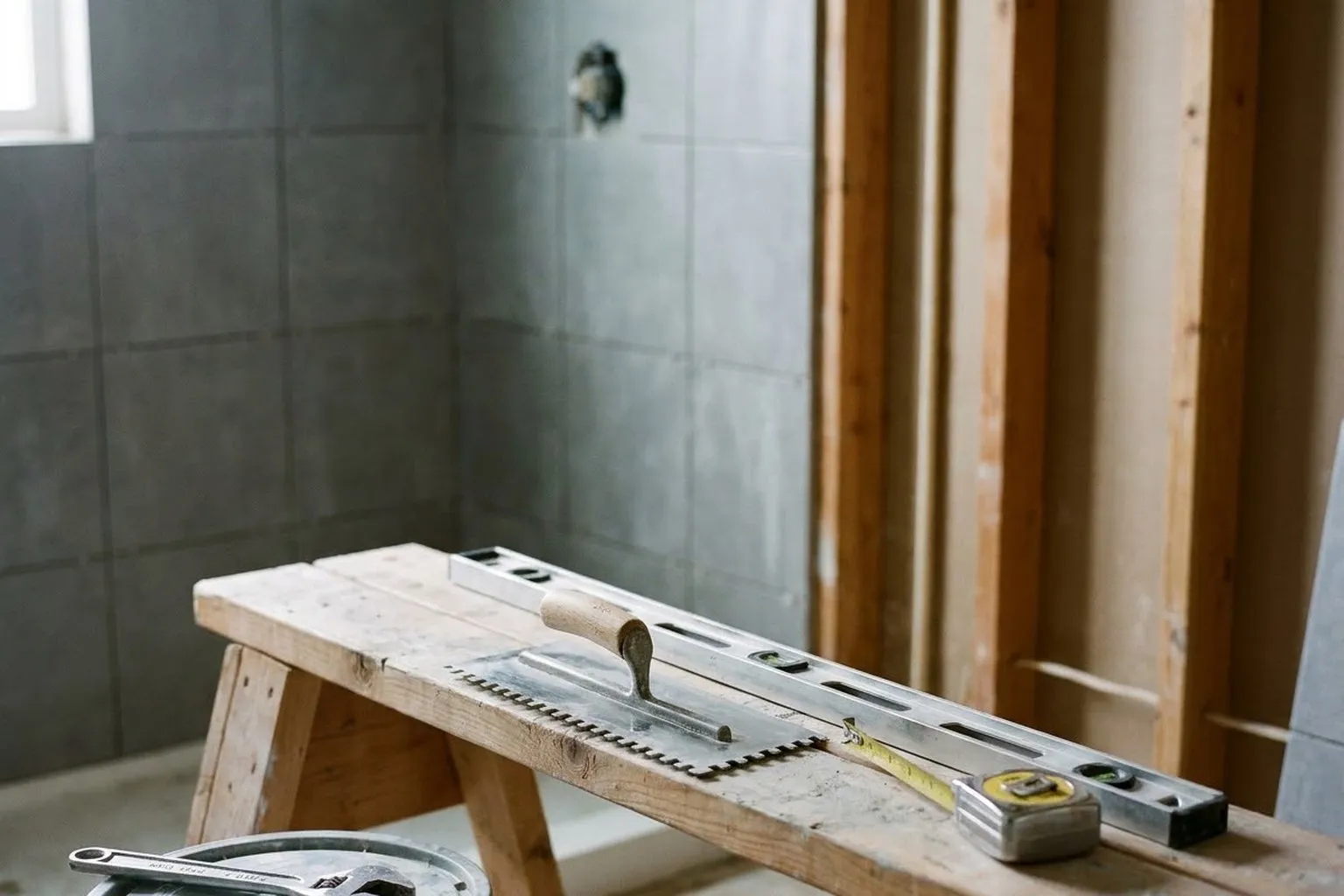
Work done out of order has to be torn out and redone. Flooring installed before dusty work gets scratched, and drywall hung before inspection may have to be opened again.
How to avoid it
- Follow the sequence: plan, permit, demolish, frame, rough in, inspect, insulate, drywall, finish. The full list is in the renovation phases from demo to move-in.
- Order long-lead items such as windows, cabinets and special tile as soon as the design is final.
- Build a realistic timeline with float for weather, deliveries and inspections: how to plan a renovation timeline that works, and what really affects your timeline.
- Prepare the house so crews can start without delay: preparing your home before renovation.
Mistake 5: How does scope creep wreck a renovation budget?
Scope creep is the gradual growth of a project through small, unpriced changes (“while you are in there…”). Each change seems minor, but together they raise the cost and push the schedule.
How to avoid it
- Finish design decisions before demolition. Pick fixtures, tile, cabinets and layout while changes are still cheap.
- Require a written change order for every change, with price and schedule impact, signed before the work starts. See understanding change orders and scope creep.
- Keep records: contracts, change orders, messages and payments in one place, as the FTC advises.
- Meet on a fixed rhythm and write down decisions. Effective communication with your renovation team shows how.
- Pay for changes from the reserve, not from the next payment.
What other renovation mistakes are worth avoiding?
Beyond the five big ones, a few smaller mistakes show up often enough to check for.
- Overreaching on DIY. Cosmetic work such as painting is a good DIY project. Structural, electrical, gas and roofing work is not, and mistakes there are safety problems as well as cost problems. See when to call a pro.
- Choosing materials by looks alone. Moisture, wear and maintenance matter as much as style. How to select materials shows how to balance them.
- Underestimating life during construction. Dust, noise and a loss of water or a kitchen for days wear on a household. Read living in your home during renovations before deciding to stay.
- Forgetting insurance. Tell your insurer about major work, and ask your contractor for proof of their own coverage. Insurance considerations during major renovations lists what to ask.
- Not choosing a project order. If you cannot do everything now, rank projects deliberately: which renovations to tackle first.
What is a quick checklist before you sign anything?
Run through these questions before the first payment.
- Is the scope written in enough detail that two contractors could price it the same way?
- Is there a reserve that is separate from the budget?
- Did you check the license, insurance and complaints for each bidder?
- Does the contract state dates, payment schedule, change-order process and right to cancel?
- Has the building department confirmed which permits and inspections apply?
- If the home predates 1978, is the firm lead-safe certified?
- Are long-lead items ordered, with delivery dates written down?
Which of these mistakes should you fix first?
Fix the budget and contract first, because they set the terms for everything else. Then confirm permits, then lock the sequence and the scope. If you are unsure whether a task is for you or a licensed pro, read why some renovations should always be done by professionals before you commit.
FAQ
What are the most common renovation mistakes?
The most common mistakes are budgeting without a contingency, hiring without vetting or a written contract, skipping permits, doing work out of order, and approving changes without pricing them first. Each one adds cost mainly by forcing rework, so planning, contracts and sequence matter more than any single material choice.
How much should I set aside for a renovation surprise?
Set aside a reserve on top of your budget and do not count it as spending money. Size it as a percentage of project cost, and make it larger for older homes where walls hide unknowns. Our guide to contingency budgets explains how to size it, and it should be used only for true surprises, not upgrades.
What should be in a contractor contract?
A contract should name the contractor and license number, describe the work in detail, state the price and payment schedule, give estimated start and completion dates, and explain how changes are handled. The FTC also says it should include a written right to cancel within three business days if you signed at home. Fill in every blank before signing.
How much should I pay a contractor up front?
Never pay the full amount up front. The FTC advises against it, and some states limit down payments, so check your state rules. Arizona's attorney general, for example, advises no more than one third as a down payment. Tie later payments to finished work and hold the final payment until the work is complete and you are satisfied.
What happens if I renovate without a permit?
Rules and penalties vary by city, but common results include stop-work orders, fines and being told to open finished walls for inspection. Unpermitted work can also complicate a sale or an insurance claim. Ask your building department whether your project needs a permit before you start, because exemptions differ by jurisdiction.
Is lead paint a concern when I renovate an older home?
Yes, if the home was built before 1978. The EPA says about three quarters of those homes still contain some lead-based paint, and that disturbing it can create dangerous dust. Anyone paid to do the work must be lead-safe certified. EPA recommends homeowners hire a certified firm, and DIYers should follow lead-safe practices.
Sources
- Hiring a Contractor (Federal Trade Commission) (consumer.ftc.gov)
- Home Improvement Schemes and Solicitations (Arizona Attorney General) (azag.gov)
- Lead-safe renovation and RRP certification (U.S. EPA) (epa.gov)
- Lead Renovation, Repair and Painting Program Rules (U.S. EPA) (epa.gov)
- International Residential Code 2021, Chapter 1 Scope and Administration (ICC) (codes.iccsafe.org)
- 2025 Cost vs. Value Report, national averages (Zonda / Journal of Light Construction) (jlconline.com)
Related articles
- Home Remodel Order of Operations: The Right Sequence for Success
The home remodel order of operations from planning and permits through demo, rough-in, inspections, drywall, finishes and punch list, step by step.
- What Should Be in Your Renovation Contract: An Annotated Sample Outline
See how a renovation contract is organized, section by section, with plain-English sample wording and notes on where homeowners should push back.
- Renovation Red Flags: Warning Signs Before and During the Job
Spot contractor red flags before you sign and during the job: payment demands, missing permits, pressure tactics and what to do when something is wrong.
- Which Renovations to Tackle First: A Priority Order That Works
Not sure where to start? Rank renovation projects by safety, water, structure and systems first, then comfort and finishes, using a simple scoring method.
- Understanding Change Orders: Managing Scope Creep
What a change order is, what it must say, how to price and approve one, and how to prevent scope creep from draining a renovation budget.
- Living in Your Home During Renovations: Is It Possible?
Can you live in your house during a renovation? Learn when staying works, the EPA lead dust and asbestos rules, dust containment and when to move out.