Welcome to the exciting world of design where contrasting textures create visual magic. This approach transforms ordinary spaces into extraordinary interiors. Each room tells a unique story through the artful combination of different elements.
We will explore how this aesthetic has evolved. It is now a sought-after approach in contemporary interior design. This method transforms homes across America with unexpected pairings.
You will discover how combining substances like wood with metal or marble with brass creates depth. These combinations offer a sophistication that single-substance designs cannot achieve. It’s all about creating a dynamic and interesting look.
The beauty lies in the ability to bridge different design eras. This brings warmth to modern spaces and freshness to traditional rooms. Your home can feel both timeless and current. Mastering the art of mixing patterns and textures in interior is key to this balance.
From subtle integrations in a kitchen to bold furniture pieces, we will guide you. We cover the history, strategies, and practical applications. This design approach is compelling for any space.
You will learn how designers use contrast to create balance. Texture plays a crucial role in successful combinations. This is why the concept continues to dominate the design landscape.
Whether planning a renovation or refreshing a single room, this knowledge opens creative possibilities. Our guide draws from professional designers and real-world applications. You can incorporate these ideas into your own projects with style.
Key Takeaways
- Contrasting textures add depth and sophistication to any room’s design.
- This approach can make a home feel both modern and timeless.
- Successful combinations rely on balance and thoughtful pairing of elements.
- Texture is a crucial component for creating visual interest in your spaces.
- You can apply these principles to both large renovations and small updates.
- Learning from professional applications builds confidence for your own projects.
The Evolution of Mixed Materials in Design
Furniture designers have long understood that the marriage of different textures creates pieces that are both structurally sound and visually compelling. This approach to combining elements has evolved significantly over decades. What began as practical necessity has transformed into deliberate artistic expression.
Historical Influences and Classic Combinations
Mid-century modern designers pioneered innovative pairings that balanced function with beauty. Arthur Umanoff’s 1950s side table exemplifies this philosophy. It combines rich walnut with brass legs for both strength and elegance.
This classic combination solves structural challenges while creating timeless appeal. The walnut provides warmth, while brass adds durability. Together, they form a piece that feels both organic and refined.
Iconic Mixed Material Pieces and Their Impact
Marcel Breuer’s Cesca chair demonstrates how contrasting substances can achieve visual lightness. Its metal frame supports cane or upholstered seating surfaces. This creates an airy yet stable design that remains popular today.
These iconic pieces prove that thoughtful combinations create home design trends that stand the test of. They bridge functional needs with aesthetic vision. The result is furniture that feels fresh across different eras.
| Design Era | Classic Combination | Key Designer | Notable Example |
|---|---|---|---|
| Mid-Century Modern | Walnut & Brass | Arthur Umanoff | Side Table (1950s) |
| Bauhaus Movement | Steel & Cane | Marcel Breuer | Cesca Chair |
| Traditional | Wood & Stone | Various Craftsmen | Library Tables |
| Contemporary | Marble & Metal | Modern Designers | Console Tables |
Unpacking Mixed Material Trends
What was once a decorating mistake has become a celebrated design philosophy. This approach gained significant momentum throughout 2024 and continues into 2025. The shift reflects how homeowners now value personal expression over rigid rules.
One standout movement involves combining different metallic finishes within a single room. Brass, chrome, and bronze now coexist beautifully. This creates interiors that feel curated rather than overly matched.
Modern Interpretations of Traditional Materials
Designers are reimagining classic substances with contemporary forms. Think lacquered linen credenzas with brass pulls. Or Italian Mappa burl wood paired with deco silhouettes.
Chrome’s dramatic comeback demonstrates how styles often cycle back. Renewed interest in mid-century Italian furniture brought cooler tones to the forefront. This offers a fresh take after years of warm brass dominance.
Cultural and Regional Inspirations in U.S. Design
Fashion influences interior design trends significantly. When mixed metal jewelry dominated Paris Fashion Week in 2023, it quickly translated into home decor. People sought that same effortlessly chic aesthetic for their living spaces.
The surge in secondhand shopping also fuels this trend. Homeowners need flexibility to combine unique thrifted finds. This makes the approach both practical and stylish.
Regional preferences shape how these combinations manifest. Houston designers enthusiastically embrace this “little of this, little of that” philosophy. The city’s culture celebrates blending diverse influences in all forms.
Design Strategies: Blending Textures and Materials
The secret to a truly captivating interior lies in the strategic interplay of different tactile experiences. This approach requires a thoughtful plan, not random selection. It’s about creating a cohesive look where every element has a purpose.
Interior designer Melissa Roberts champions a style she describes as “refined, natural, layered, organic.” With a decade of experience, she offers key strategies for success. Her advice helps anyone achieve a balanced and interesting space.
Approaching Contrast Without Compromise
Roberts’s first rule is to anchor your room with timeless foundations. Think natural stone or classic wood millwork. Then, layer in contemporary pieces like modern lighting or art. This builds longevity while keeping the design current.
She also emphasizes mixing eras, not styles. A traditional room feels fresh with one modern light fixture. A contemporary space gains soul from a single antique. This creates sophisticated contrast.
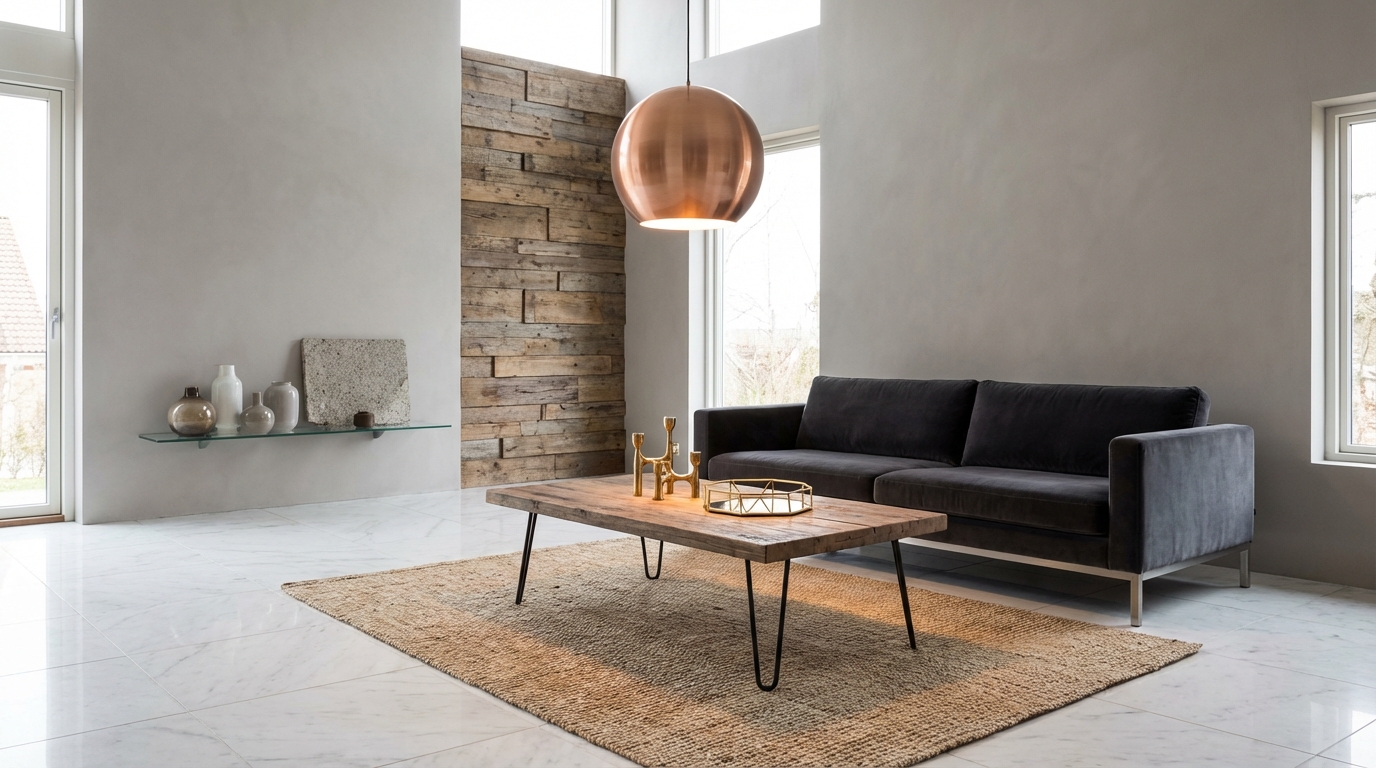
Let your materials do the talking. Pair marble or brass with cleaner, unexpected forms. The combination of familiar substance and new shape prevents a predictable look. Understanding how to mix materials in interior is fundamental.
Use restraint with contemporary elements. Introduce bold curves or sculptural forms through decor, not permanent features. This makes updates easy over time. Consider the room’s function, especially with the rise of multifunctional living spaces.
Finally, edit for balance. The best rooms feel intentional. Ensure each piece has room to breathe. Thoughtful editing creates a cohesive and professional result.
For metals, pick a primary finish for about 60% of applications. Use a secondary metal for accents. Play with texture, like matte and hammered copper, to add subtle variation. This careful contrast in finishes adds depth and warmth.
Practical Applications in Interiors and Furniture
Bringing contrasting textures into your home is easier than ever with today’s furniture and accessory options. Major retailers have fully embraced this approach, making sophisticated combinations accessible for every room.
You can start small with decorative pieces or make bold statements with larger furniture items. The key is choosing pieces that complement your existing space while adding visual interest.
Implementing Mixed Materials in Kitchens and Living Rooms
Your kitchen offers incredible opportunities for combining different substances. Consider cabinetry that pairs wood grain with metal handles or countertops blending marble sections with butcher block areas.
This creates functional zones while adding depth to the heart of your home. Living room spaces benefit from furniture that makes powerful design statements.
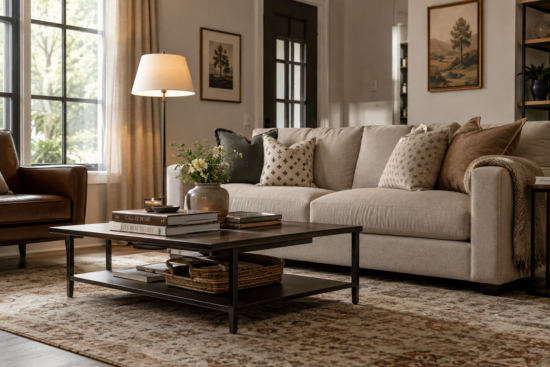
Think sofas with metal legs contrasting soft upholstery or coffee tables featuring marble tops with brass bases. These combinations create focal points that elevate the entire room.
Dining areas particularly shine with this approach. Chairs like CB2’s Cesca-inspired designs show how metal frames paired with woven seats bridge traditional and contemporary styles beautifully.
Elevating Office Spaces and Accessories
Workspaces no longer need to feel sterile thanks to thoughtful combinations. Acrylic desk organizers with metal accents transform boring basics into coveted pieces.
Hickory Hardware’s collections demonstrate how clear acrylic paired with various metal finishes adds glamour to functional items. Their leather pulls develop unique character over time.
Even small accessories like cheeseboards combining wood and marble make everyday items display-worthy. These pieces allow you to experiment with bolder marble varieties without major commitment.
The secret to successful application is starting with one or two anchor pieces per room. Build around them with complementary finishes rather than overwhelming the space with too many combinations at once.
Innovations in Materials and Sustainable Options
Sustainable practices are revolutionizing how we select and combine elements for our homes. Manufacturers now develop finishes and textures that honor both style and environmental values. This shift empowers designers and homeowners to make conscious choices.
Eco-Friendly Finishes and Future Trends
The demand for green products drives remarkable innovations. We see reclaimed wood, recycled metals, and low-VOC finishes becoming mainstream. Sustainably quarried stone offers beautiful interiors that align with ecological principles.
Color palettes are evolving beyond the white-and-gray marble dominance. Designers explore bolder colored marbles and richly toned woods. These fresh options add personality and warmth to spaces.
“The most exciting design solutions balance aesthetic innovation with environmental stewardship. We’re seeing clients embrace character-rich, sustainable options that tell a story.”
Smart selection allows experimentation with trending colors in affordable accessories. Reserve timeless combinations for larger investment pieces. This approach minimizes risk while maximizing visual impact.
Future directions include more bio-based substances and improved recycling programs. Technological advances will enable effects previously difficult to achieve. The possibilities for creative combinations continue to expand.
| Sustainable Option | Key Benefits | Best Applications | Notable Brands |
|---|---|---|---|
| Reclaimed Wood | Unique character, reduces deforestation | Flooring, accent walls | Terramai, Pioneer Millworks |
| Recycled Metal | Energy efficient, durable | Hardware, light fixtures | Schoolhouse, Reborn Metals |
| Low-VOC Finishes | Better indoor air quality | Furniture, cabinetry | AFM Safecoat, BioShield |
| Sustainably Quarried Stone | Ethically sourced, long-lasting | Countertops, tile | Cambria, Caesarstone |
The secondhand market growth inspires innovative refinishing ideas. Updating older pieces with new accents extends furniture lifecycles. This approach honors heritage while creating contemporary looks.
Conclusion
Embracing diverse finishes in your home creates an environment that feels both curated and deeply personal. This approach to interior design goes beyond fleeting trends, offering a timeless way to express individual style.
The strategic combination of elements like warm wood with cool marble brings sophistication to any room. These thoughtful pairings add depth and character that single-substance designs cannot achieve.
Remember, you can start small with accessories before committing to larger furniture pieces. This flexible approach allows your spaces to evolve naturally over time.
The beauty of contrasting textures lies in their ability to make every space feel inviting and unique. Your home becomes a true reflection of your personal aesthetic through these creative combinations.
FAQ
What is the main benefit of combining different textures in a room?
The main benefit is adding depth and visual interest. Using a variety of finishes, like smooth marble next to rough wood, creates a dynamic and inviting space. This contrast makes a design feel more complete and engaging.
How can I start blending materials if I’m new to interior design?
A great starting point is to choose one dominant finish, like a wood floor, and then introduce one contrasting element. For example, add a metal light fixture or a plush velvet sofa. This creates a balanced look without feeling overwhelming.
Are there any classic combinations that always work well?
Absolutely! Pairing wood and metal is a timeless choice. Think of a rustic oak dining table with sleek, black metal chairs. Another classic is the warmth of leather combined with cool, polished stone surfaces. These duos offer a perfect balance.
What are some popular options for kitchen finishes right now?
Current kitchen designs often feature quartz countertops paired with warm, stained cabinetry. Mixing matte black hardware with natural wood tones is also very popular. This creates a modern yet welcoming feel in the heart of the home.
Can I use this approach in a small space?
Yes! In fact, blending textures can make a small room feel larger and more detailed. The key is to keep the color palette cohesive. Use a variety of finishes within the same color family to add richness without clutter.
What role do accessories play in this design style?
Accessories are the perfect way to experiment. Items like ceramic vases, woven baskets, or glass decor can introduce new finishes without a big commitment. They are an easy and affordable way to layer texture into your existing look.