Welcome to your home transformation journey! Taking on a home improvement project is exciting. Knowing what to expect makes it smoother.
Every successful remodeling effort follows a clear sequence. This process guides you from the first idea to the final walkthrough. Understanding these steps gives you control.
You will learn what happens during planning, design, and construction. This knowledge helps you talk with your team and spot potential delays. It keeps your project on track.
Whether updating a kitchen or a whole house, the core phases are the same. This guide breaks it all down into simple steps. You will feel prepared for each part of the adventure.
Key Takeaways
- Every home improvement project follows a predictable sequence of stages.
- Knowing the process helps you communicate better with contractors.
- Understanding the timeline allows for realistic budget and schedule expectations.
- The core phases include planning, design, pre-construction, and construction.
- This knowledge applies to small updates and major structural changes alike.
- Being informed helps you identify potential delays and keep the project moving.
- You will finish this guide with a clear roadmap for your entire remodeling experience.
Introduction to Your Renovation Journey
A successful remodeling project hinges on more than just the construction you see. The real work often happens behind the scenes. Understanding this full process is key for any homeowner.
What to Expect When Remodeling Your Home
Living through a home remodel requires some emotional preparation. Your daily life will see temporary changes. Dust, noise, and displaced routines are common.
The visible construction is just one part. Significant time is spent on planning, permits, and material orders. Coordinating with your contractor and various specialists also takes time.
For example, a kitchen’s active build might take three weeks. But the entire project often spans six to eight weeks. Knowing this helps you plan around work and family events.
Benefits for Homeowners in the United States
American homeowners gain clear advantages from this knowledge. It leads to reduced stress and better budget control. You can communicate more effectively with your team.
This understanding applies to any project size. It empowers you to ask smart questions and spot potential issues early. A well-planned start prevents costly changes later.
Familiarizing yourself with the typical successful remodeling and renovation projects provides a solid foundation. This preparation ensures your new space truly meets your vision.
| Project Type | Active Construction | Total Project Time |
|---|---|---|
| Bathroom Refresh | 1-2 weeks | 3-5 weeks |
| Mid-Range Kitchen Remodel | 3-4 weeks | 6-8 weeks |
| Whole-Home Transformation | 12-16 weeks | 20-26 weeks |
Key Factors Impacting Renovation Timelines
Several key elements can dramatically influence how long your home improvement project will take. Understanding these variables helps you create realistic expectations and avoid frustration.
Project Scope and Complexity
The size of your project fundamentally shapes the timeline. A simple bathroom refresh might take just 1-2 weeks. However, a complete kitchen remodel with layout changes could require 10-14 weeks.
Structural work and electrical updates add significant time. More complex projects involve multiple tradespeople and coordination.
Permits, Inspections, and Contractor Scheduling
Local permits can take 2 weeks to 3 months for approval. Failed inspections mean corrections that add days to your schedule.
Experienced contractors often have wait times of several weeks. Their expertise typically prevents delays once work begins. Summer is peak season for remodeling projects.
Weather, Supply Chain, and Unexpected Issues
Weather affects exterior work like roofing and room additions. Seasonal storms or extreme temperatures can pause construction.
Material lead times vary greatly. Stock cabinets arrive in weeks, while custom options take months. Supply chain issues can extend timelines when items are backordered.
Unexpected problems often appear during demolition. Hidden water damage or outdated wiring might add 1-2 weeks to your project. Building a 10-20% time buffer into your schedule helps manage these inevitable delays.
Renovation Phases Explained: Your Guide to a Successful Remodel
Knowing the step-by-step process of your remodeling project empowers you as a homeowner. This understanding helps you track progress and communicate effectively with your team.
Overview of Each Phase from Planning to Finishing
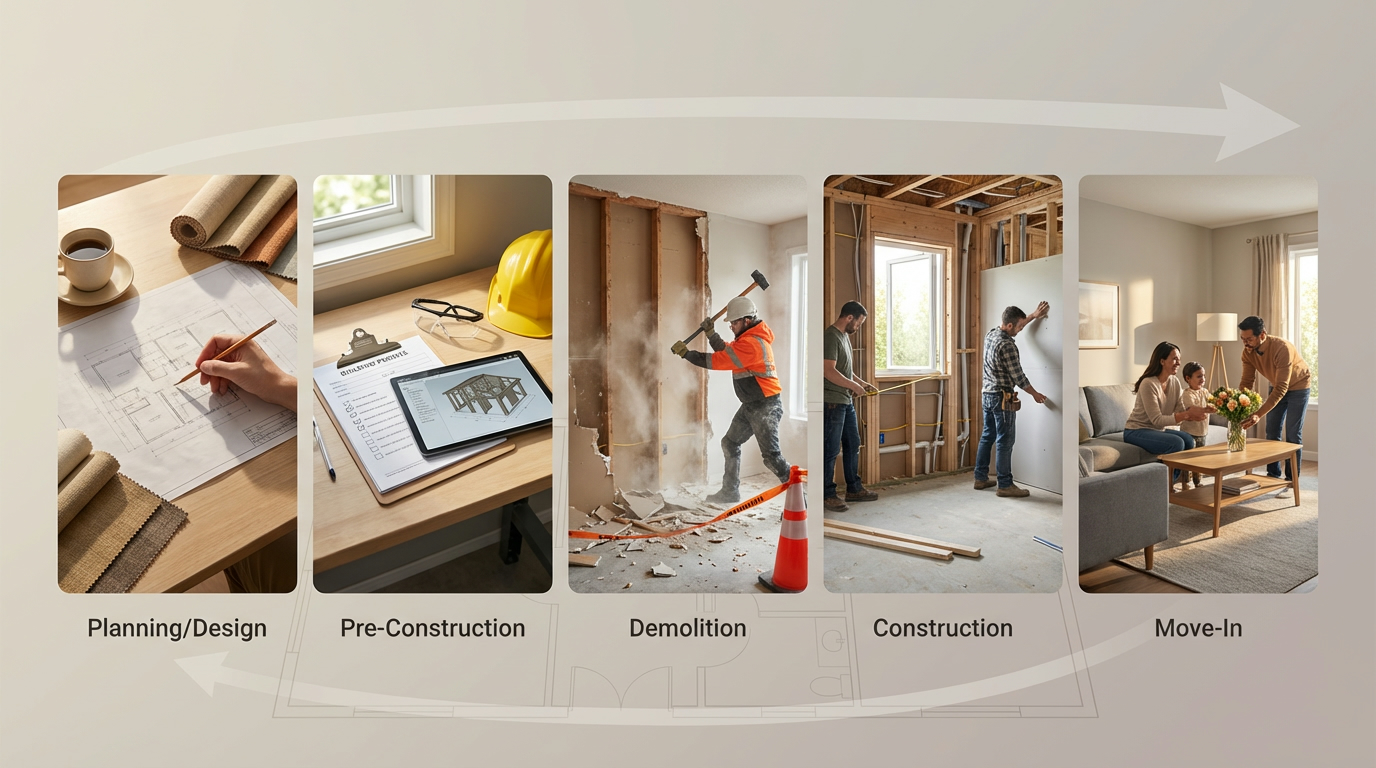
Every home transformation follows a logical sequence. The planning stage sets your vision and scope. This typically takes 1-2 weeks.
Design development follows, where detailed drawings and material selections happen. This phase usually spans 2-6 weeks. You’ll work closely with designers.
Pre-construction involves permits, material orders, and site preparation. This can take 2 weeks to 3 months depending on local requirements.
The construction phase brings your vision to life through demolition, structural work, installations, and finishing touches. This is the most visible part of your home remodeling journey.
Aligning Your Budget and Timeframe
Your budget and timeline must work together. Rushing certain stages to save time often leads to costly errors. Extended timelines can increase labor expenses.
Understanding these phases helps you plan your life around the project. You’ll know when to schedule vacations or make alternative living arrangements.
| Project Phase | Average Duration | Key Activities |
|---|---|---|
| Planning & Design | 2-6 weeks | Goal setting, drawings, material selection |
| Pre-Construction | 2 weeks – 3 months | Permits, material ordering, contractor scheduling |
| Active Construction | 4-12 weeks | Demolition, installations, finishing work |
| Final Walkthrough | 3-5 days | Quality checks, touch-ups, project completion |
Each stage builds upon the previous one. Skipping steps usually causes delays and budget overruns. A well-planned approach ensures smoother transitions between phases.
Pre-Construction Preparation and Planning Essentials
Before the first hammer swings, thoughtful planning sets the stage for your entire project. This crucial period ensures your vision becomes reality without costly surprises.
Investing time upfront prevents delays and budget overruns later. A well-organized start keeps your home transformation on track.
Planning Kickoff and Goal Setting
The planning phase begins with gathering inspiration from sites like Pinterest or Houzz. You’ll define your must-have features versus nice-to-have additions.
This initial stage typically takes 1-2 weeks. Clear goal setting helps contractors understand your vision and work within your budget.
Design Development and Material Sourcing
Next comes design development, where ideas transform into detailed plans. Architects create drawings that guide the construction process.
Material selection is critical during this 2-6 week phase. Ordering items early prevents delays, especially for custom products with longer lead times.
| Activity | Duration | Key Focus |
|---|---|---|
| Initial Planning | 1-2 weeks | Goal setting and inspiration |
| Design Development | 2-6 weeks | Detailed plans and drawings |
| Material Sourcing | 1-3 months | Finishes and fixture selection |
| Contractor Selection | 1-2 weeks | Team assembly and scheduling |
Navigating the Construction Phase
The construction phase is where your home truly transforms before your eyes. This exciting period brings your plans to life through visible progress. Understanding what happens during this time helps you appreciate each step.
Structural Work and Rough-In Installations
Demolition typically takes about one week. Crews carefully remove old fixtures, cabinets, and flooring. They protect adjacent areas from dust during this messy but necessary work.
Structural adjustments follow demolition. This critical building work creates your project’s framework. Load-bearing wall changes or new room additions extend the timeline significantly.
The rough-in phase brings licensed professionals to your space. Plumbers install water supply lines and drain pipes for your kitchen and bathroom. Electricians run wiring through wall cavities for outlets and lighting.
Plumbing, Electrical, and Mechanical Considerations
All rough-in work requires municipal inspections before walls close up. These checks ensure installations meet safety codes. Failed inspections mean corrections that add time to your project.
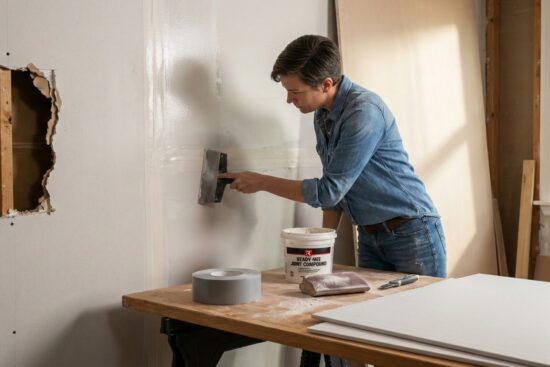
Once inspections pass, insulation and drywall installation begins. This 1-4 week process creates smooth, energy-efficient walls. Your space starts looking like finished rooms rather than construction zones.
This construction phase establishes the foundation for all finishing touches. Each step builds toward your dream home remodeling result.
Final Touches and Quality Inspections
This exciting stage transforms your construction zone into a beautiful, functional living space. The finishing work brings all your planning and preparation to life with visible results.
Installation of Cabinets, Countertops, & Fixtures
Cabinet installation typically takes 2-4 days for a kitchen. Professionals carefully level and secure your chosen cabinetry, creating the functional backbone of your space.
The countertop process involves templating, fabrication, and installation. This often has the longest lead time in the finishing phase. Your beautiful surfaces then complete the look.
Fixture installation brings functionality to your bathroom or kitchen. This includes faucets, sinks, lighting, and hardware. Precision tile work adds visual interest to backsplashes and showers.
Painting, Flooring, and Finishing Details
Flooring installation addresses any sub-floor issues before laying your chosen materials. This 2-4 day process creates a polished foundation for your room.
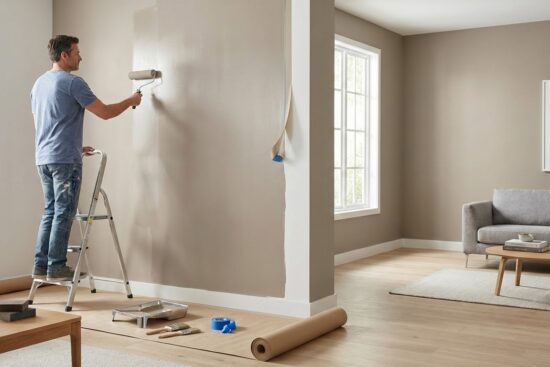
Painting transforms the entire space over about one week. Walls, ceilings, and trim receive their finish coats, tying all design elements together beautifully.
The final inspection ensures every component meets quality standards. You’ll create a punch list of minor touch-ups before project completion and final payment.
Strategies for Keeping Your Project on Schedule
Maintaining momentum throughout your home improvement project requires proactive strategies. Staying on track demands careful coordination between you and your team.
The right approach prevents frustrating setbacks. It keeps your vision moving forward smoothly toward completion.
Effective Communication with Contractors
Clear communication with your contractors is the most critical factor for success. Establish weekly check-ins from the project start. Choose your preferred method—text, email, or phone.
Respond to questions within 24 hours. This prevents small issues from becoming major delays. Quality professionals communicate proactively about any timeline changes.
Watch for warning signs like disappearing workers or missed inspections. Address concerns immediately to keep work moving forward.
Planning for Delays and Contingency Measures
Even the best-planned projects face unexpected challenges. Build a 10-20% time buffer into your schedule. This accommodates weather delays or material backorders.
Finalize all material selections before construction begins. A few days of indecision can push your completion date back by weeks.
Choose experienced contractors with proven track records. Their expertise typically prevents avoidable delays. Remember that quality work sometimes requires waiting for inspections or paint drying.
Conclusion
Your dream home becomes reality when you navigate the remodeling process with confidence and clarity. Understanding each stage empowers you to make informed decisions and communicate effectively with your team.
Every successful home improvement follows a logical sequence from planning through construction. Investing time in thorough preparation pays dividends in smoother execution and better outcomes. This knowledge helps you set realistic expectations for your family’s daily life during the project.
Remember that effective communication, early decision-making, and contingency planning are essential for keeping your project on track. For larger undertakings, consider cost-effective strategies for large-scale renovations to optimize your investment.
Armed with this guide’s insights, you can approach your home transformation with the knowledge needed to work successfully with your contractor. The result will be a space that truly enhances your lifestyle for years to come.
FAQ
How long does a typical home remodel take?
The timeline for a home remodel can vary a lot. A simple bathroom project might take a few weeks, while a full kitchen remodel could last several months. The total time depends on the project scope, contractor schedule, and any unexpected issues that pop up.
What is the most important phase of a remodeling project?
Many contractors and homeowners agree that the planning phase is critical. Solid planning, including design, material sourcing, and securing permits, sets the stage for a smooth construction process. Good preparation helps prevent costly delays and keeps your budget on track.
How can I avoid common delays during construction?
A> The best way to avoid delays is through proactive planning and clear communication. Order materials like cabinets and flooring early to prevent supply chain hold-ups. Maintain open communication with your contractor to quickly address any issues, such as failed inspections or weather problems, that might slow things down.
What should I expect during the demolition phase?
Demolition is the first major step in the construction phase. It involves removing old fixtures, cabinets, and sometimes walls. This work can be messy and noisy. Your contractor will ensure the area is safe and manage debris removal. It’s an exciting sign that your project is truly starting!
When do plumbing and electrical work happen?
Plumbing and electrical installations are part of the “rough-in” work. This happens after demolition and any structural changes but before walls are closed up with drywall. It’s a crucial step to get right, as it’s much harder to fix once the walls are finished.
What are the final touches before move-in?
The final phase is all about the details! This includes painting, installing flooring, hanging light fixtures, and mounting cabinets and countertops. A final walk-through and quality inspection with your contractor ensure everything is completed to your satisfaction before you enjoy your new space.