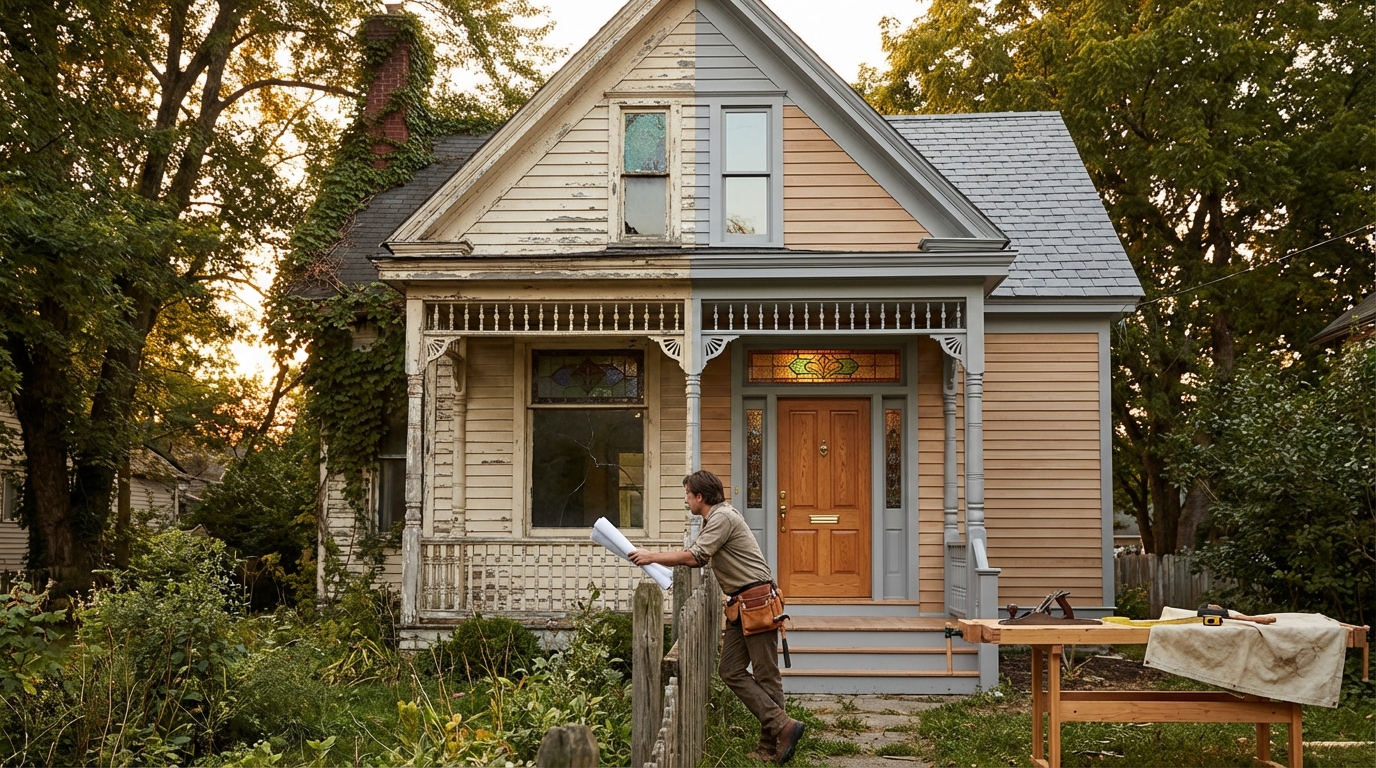
Owning a property with character means becoming a steward of architectural heritage. You balance the joy of preserving beautiful craftsmanship with unique challenges. These projects differ significantly from standard improvement work.
Working with aged structures demands more time, planning, and budget than contemporary updates. You encounter unique construction methods and materials. Often, you discover hidden issues that weren’t built to today’s standards.
Understanding that your property carries stories and cultural significance helps frame your approach. You’re not just updating a building. You’re preserving a piece of history for future generations.
Before diving into any project, gather information about what makes your property special. Learn about character-defining features and original construction details. This knowledge helps you make informed decisions that honor the heritage.
Setting realistic expectations about time, budget, and detail level prepares you for the rewarding journey ahead. Patience and careful planning yield beautifully restored spaces. They blend historic charm with modern living needs.
Key Takeaways
- These properties require a specialized approach different from standard remodeling
- Expect more time and budget for aged materials and unique construction methods
- You become a steward of architectural and cultural heritage
- Research your property’s history and defining features before starting work
- Balance preservation of original character with modern functionality
- Hidden issues often emerge during the process, requiring flexibility
- Proper planning ensures the integrity of these special structures
Understanding the History and Significance of Your Home
Uncovering your building’s past is the crucial first step in making informed decisions about its future. Each older property has a unique story that shapes how you approach its care.
Researching Architectural Styles and Original Features
Start by exploring your own house. Check attics, closets, and basements for clues. Look for builder stamps and old wallpaper fragments.
These details reveal construction methods from years past. Identify character-defining elements like original moldings and window styles. Understanding the architectural period helps you appreciate what makes your house special.
Consulting Local Archives and Historic Preservation Experts
Visit City Hall or your county assessor’s office for property records. Search online census data and newspaper archives. These resources often mention previous owners and construction dates.
As Michael C. Kathrens advises, “I usually go to the town or city offices to see if I can find the original building permit.” Local historical societies and preservation organizations offer valuable information. They connect you with experts who understand your home’s specific style and century.
This research provides the foundation for sympathetic design choices. It may even qualify your property for special programs.
Defining Your Renovation Goals and Project Scope
Before you pick up a single tool, take time to define what you truly want to achieve with your property. Your entire project direction depends on this clarity. Are you aiming for a strict restoration or a functional renovation?
Expert Scott T. Hanson makes a key distinction. He notes that a “restoration project returns a building to its original structure and form.” It does not adapt it for new ways of living. A renovation, however, focuses on upgrading usability for modern life.
Setting Clear Objectives and Prioritizing Character-Defining Features
Start by thinking about how your family will use the space. Will you live there full-time? Might you create rental units? Your intended use directly shapes your approach.
Hanson also emphasizes identifying “character-defining features.” These are the unique elements that give your property its personality. Original woodwork and special architectural details are prime examples. Prioritize preserving these above all else.
He even suggests living in the home for a while before making big changes. This helps you understand which features are truly essential.
Evaluating the Balance Between Restoration and Modern Updates
The core challenge is balancing authenticity with contemporary needs. You want to honor the original design while incorporating today’s functionality. This requires creative thinking and flexible plans.
Your planning phase must account for rare or unique elements. Some options might be common for a style, but executed specially in your property. These deserve extra attention.
Setting clear objectives early prevents costly mistakes later. It ensures your entire team knows what is non-negotiable. This careful project foundation leads to a successful outcome that respects the past.
Effective Strategies for Historic Home Renovations
Successful updates to vintage dwellings depend on strategic approaches that respect their original character. The right methods blend modern living needs with preservation goals.
Aligning Modern Functionality with Original Design
David Powell of Powell and Bonnell offers valuable insight. He suggests adapting rooms to fit within the existing architectural envelope.
This approach maintains the property’s distinctive feel. Additions should be treated in a traditional manner that honors the original period.
Thoughtful planning creates seamless transitions between old and new spaces. The result feels authentic rather than disruptive to the building’s heritage.
Incorporating Energy-Efficient and Safety Upgrades
Modern systems can be integrated without compromising historic materials. Electrical, plumbing, and HVAC updates improve efficiency and safety.
Windows often benefit from restoration rather than replacement. Proper maintenance and weather-stripping can make older windows perform well.
Energy efficiency and preservation work together beautifully. These essential tips help guide your approach to modern updates.
| Traditional Approach | Modern Solution | Strategic Benefit |
|---|---|---|
| Original window frames | Weather-stripping & storm windows | Preserves character while improving efficiency |
| Coal-burning fireplace | Gas conversion with original mantel | Maintains period aesthetic with modern function |
| Knob-and-tube wiring | Updated electrical within existing chases | Ensures safety without damaging historic walls |
Navigating Legal, Regulatory, and Preservation Guidelines
Understanding preservation guidelines protects both your investment and community heritage. These rules ensure that special buildings maintain their character for future generations. Compliance is not just about following laws—it’s about responsible stewardship.
Understanding Local, State, and Federal Requirements
Different levels of government may have jurisdiction over your property. Local ordinances often govern exterior changes and material selection. State and federal laws might apply if your building has special designation.
Research requirements before starting any work. Check with your municipal planning department first. They can direct you to relevant state or federal agencies if needed.
Ignoring these rules can lead to costly penalties. You might have to undo completed work that violates regulations. Proper planning saves time and money in the long run.
Working with Historic Preservation Commissions and Agencies
Local commissions exist to guide owners through the approval process. These experts understand preservation standards and community expectations. They want to help you succeed within the guidelines.
Submit your plans early and be prepared for feedback. The review timeline varies by location and project scope. Exterior modifications typically receive more scrutiny than interior updates.
Collaboration leads to better outcomes for everyone involved. Commission members can suggest alternatives that meet both your needs and preservation standards. This partnership ensures your property’s legacy continues.
Selecting and Collaborating with the Right Renovation Team
Assembling a skilled and specialized team is the most critical decision you will make for your property’s care. General contracting experience alone is often not enough for this unique work. You need professionals with proven experience in preservation principles and period-appropriate techniques.
The right partners respect the architectural integrity you aim to maintain. Their collaboration ensures your project stays on time and within budget. This leads to a beautiful balance of authenticity and modern function.
Hiring Preservation Architects, Contractors, and Specialists
Start by seeking a preservation architect. They bring specialized design expertise for working within old building constraints. They solve modern functionality challenges while honoring your property’s character.
Look for contractors with documented experience in historic masonry and traditional carpentry. Always request a detailed portfolio of past projects. Verify certifications from recognized preservation organizations.
Skilled artisans are invaluable. They can replicate decorative plaster, hand-carved woodwork, and historic metalwork. Source them through local preservation societies or architectural salvage networks.
“It’s invaluable to have a team that plays well in the sandbox with architects, engineers, builders, and designers all aligned on the functional and aesthetic goals for the home.”
Leveraging Expertise from Historians and Technical Consultants
Architectural historians provide crucial research. They guide your team on historically appropriate materials and techniques. This creates a detailed restoration plan that keeps everyone aligned.
Technical consultants identify potential issues early. Structural engineers and systems specialists examine foundations and mechanics. This prevents budget-busting surprises and ensures work meets current codes.
| Team Member | Primary Expertise | Key Contribution |
|---|---|---|
| Preservation Architect | Design within historic constraints | Blends modern needs with original character |
| Specialized Contractor | Traditional building methods | Hands-on execution with period accuracy |
| Architectural Historian | Research and material appropriateness | Ensures historical authenticity |
Integrating Modern Systems and Enhancing Home Functionality
While decorative details capture attention, the essential upgrades happen behind the walls. Modern building systems form the invisible backbone that makes your property safe and comfortable for today’s families.
These improvements don’t receive the same spotlight as cosmetic changes. Yet they’re crucial for your family’s safety and the building’s long-term viability.
Upgrading Electrical, Plumbing, and HVAC Systems Thoughtfully
Older properties typically have outdated wiring and plumbing that don’t meet current codes. Heating systems are often inefficient and potentially unsafe. A phased approach works best for these essential updates.
Start with a structural engineer’s foundation assessment. Then systematically address electrical, plumbing, and HVAC needs. This logical sequence minimizes disruption to historic elements and spaces.
Modern wiring can often be installed within existing chases and walls. This preserves historic plaster and woodwork. Plumbing upgrades can be routed through less visible areas while meeting today’s standards.
HVAC solutions have evolved significantly for these special properties. Mini-split ductless systems can be discreetly installed near windows. Spray-foam insulation fills attic voids without disturbing finished spaces.
Comfort and efficiency upgrades make your dwelling more livable. They reduce operating costs while serving your family’s contemporary needs. The goal is seamlessly blending modern additions with preservation priorities.
Thoughtful integration upgrades essential systems to modern standards. It carefully preserves the aesthetic elements that define your property’s character. This approach ensures the building remains beautiful, functional, and safe for years.
Conclusion
Renovating a property with historical significance requires a unique mindset focused on preservation. You’re not just updating a building—you’re extending its story gracefully into the future. This work demands patience beyond typical improvement projects.
Always include a 20% contingency in your budget. This cushion handles unexpected discoveries without compromising the building’s character. The greatest investment isn’t just financial—it’s the time spent understanding your house’s history.
Balance authenticity with modern living needs. The ideal outcome honors original features while incorporating today’s functionality. Following preservation guidelines ensures your project respects the past while serving contemporary life.
With careful planning and cost-effective strategies for large-scale renovations, your historic house becomes a one-of-a-kind living environment. You’ll create new memories while stewarding architectural heritage for generations to come.
FAQ
How do I find out about my house’s original style and features?
Start by checking local archives, libraries, and historical societies for old photos or building plans. A preservation expert can also help identify architectural styles and character-defining elements from your property’s era.
What’s the difference between restoring and updating an old property?
Restoration focuses on returning the building to its specific period appearance using original materials. Updating carefully blends modern comforts, like efficient systems, while respecting the structure’s unique charm and history.
Are there special rules for renovating a designated historic house?
Yes, often there are. Local, state, or federal guidelines may apply, especially if your property is in a historic district. You’ll likely need to work with a preservation commission to ensure your project plans meet their standards.
What kind of contractor should I hire for this type of project?
It’s best to work with a team experienced in older buildings. Look for preservation architects and contractors who understand period construction techniques and materials. They can help navigate the unique challenges these projects present.
Can I make my older house more energy-efficient without losing its character?
Absolutely! You can thoughtfully upgrade insulation, windows, and mechanical systems like HVAC and plumbing. The key is choosing solutions that improve performance without altering the home’s original design and significant features.