Thinking about improving your home? It’s an exciting journey! But before you pick up a hammer or choose a paint color, there’s a crucial first step. The sequence of your projects is just as important as the projects themselves.
Your house is like a complex puzzle. Each piece connects to another. Starting in the wrong place can create a domino effect of problems. Imagine the frustration of installing beautiful new flooring, only to have it damaged by workers doing essential plumbing work later. Or painting a room perfectly, then needing to cut into the walls for new electrical lines.
This kind of misstep leads to wasted time, doubled expenses, and the headache of redoing work. A smart plan is your best friend. It helps you avoid these common pitfalls and keeps your home remodeling project running smoothly.
We’ll guide you through the logic of what to do first. This includes everything from structural checks to finishing touches. For example, understanding the right renovation order for your rooms is a game-changer. It saves money and protects your new investments.
By the end of this guide, you’ll see that a successful remodel isn’t just about what you change. It’s about the smart order you follow to bring your vision to life efficiently. Using cost-effective strategies for large-scale renovations from the start sets you up for success.
Key Takeaways
- The sequence of your home improvement projects is critical for saving money and avoiding rework.
- Think of your house as an interconnected system where one change affects others.
- Tackling projects out of order can lead to damaged finishes and unnecessary costs.
- Proper planning from the beginning is the key to a smooth and efficient process.
- A strategic approach helps you manage disruptions and achieve your desired outcome.
Introduction: Mapping Out Your Home Renovation Journey
Excited to start your home improvement journey? You’re in great company. In just the first quarter of 2024, homeowners across the U.S. invested a massive $463 billion into their properties. This shows a huge commitment to creating spaces that truly feel like home.
While it’s a significant financial undertaking, the payoff is often substantial. A well-executed home renovation is a smart investment. On average, a remodeling project can yield a 69% return on investment (ROI). The exact value you create depends on your specific project, location, and budget.
| Project Type | Average ROI Range | Key Factor for Value |
|---|---|---|
| Minor Kitchen Remodel | 70% – 80% | Quality of materials and functionality |
| Bathroom Addition | 60% – 70% | Increased home functionality and appeal |
| Siding Replacement | 75% – 85% | Curb appeal and weather protection |
| Deck Addition | 65% – 75% | Expansion of living space |
The best way to ensure you maximize your investment is with a solid plan. A clear roadmap transforms an overwhelming project into a manageable, step-by-step process. Every journey is unique, but a strategic approach is universal for success.
Breaking down your goals into logical phases makes even the most ambitious remodeling dream achievable. This guide will provide that comprehensive roadmap. It will help you understand not just what to do, but the optimal sequence for doing it.
By framing your home upgrade as a journey with a clear path, you can move forward with confidence. The right plan turns your current space into your dream home while protecting your financial commitment.
Pre-Renovation Planning: Inspections and Permits
Smart homeowners know that success begins long before any visible changes take place. Proper groundwork prevents costly surprises and ensures your project stays on track.
Identifying Hidden Home Issues
A professional inspection is your first line of defense. Even a well-maintained house can hide serious problems. Experts uncover issues invisible to untrained eyes.
Common findings include electrical hazards, plumbing concerns, and structural weaknesses. Moisture issues can lead to mold growth. Early detection saves money and headaches.
| Area Inspected | Common Problems | Potential Impact |
|---|---|---|
| Electrical Systems | Outdated wiring, overloaded circuits | Fire hazard, code violations |
| Plumbing | Leaking pipes, corrosion | Water damage, mold growth |
| Structural Elements | Foundation cracks, roof wear | Safety risks, costly repairs |
| HVAC Systems | Inefficient units, duct issues | High energy bills, poor air quality |
Securing the Right Permits for Compliance
Permits protect your investment and ensure safety. They verify work meets local building codes. Skipping this step risks fines and legal problems.
A reputable contractor typically handles permit applications. This safeguards your property value and prevents future sale complications. Proper documentation is essential.
These preliminary steps create a solid foundation for your home improvement journey. They transform potential obstacles into manageable tasks.
Renovation Priority Order: Deciding What to Tackle First
Creating a simple framework can turn renovation chaos into a clear path forward. The most effective approach starts with two basic categories: essential fixes and dream upgrades.
Assessing Immediate Needs vs. Desirable Upgrades
Begin with a relaxed walkthrough of your property. Look for anything that appears irregular without diagnosing causes. Notice bubbling paint, cracked tiles, or drafty windows.
Document each observation simply. Write “paint bubble on master bedroom wall” rather than guessing about moisture issues. This practical method reveals your true starting point.
Creating Your “Need To Do” and “Want To Do” Lists
Most homeowners discover their essential list grows surprisingly long. This helps set realistic expectations for your project timeline.
For your dream list, break vague ideas into specific actions. “Replace old countertops with quartz” works better than “kitchen makeover.” This clarity helps when discussing projects with contractors.
The beautiful part comes when lists intersect. Fixing plumbing behind walls creates perfect opportunities to upgrade fixtures. Solving one priority often lets you address multiple goals simultaneously.
This strategic approach ensures your home improvement journey begins with confidence and clear direction.
Starting with the Exterior: Enhancing Curb Appeal and Protection
The smartest approach to home improvement often starts where you’d least expect—on the outside. Exterior projects create a protective envelope around your entire property. This strategic sequencing prevents damage to new interior finishes.
Weatherproofing and Structural Safeguards
Your home’s exterior components work together as a defense system. Roofing, siding, and windows form a critical barrier against weather and pests. Addressing these elements first ensures your interior work stays protected.
| Component | Primary Function | Key Benefit |
|---|---|---|
| Roofing | Water protection | Prevents interior water damage |
| Windows | Energy efficiency | Reduces heating/cooling costs |
| Siding | Structural protection | Shields against moisture and pests |
New windows improve insulation while enhancing your home’s appearance. Quality siding protects your walls from long-term damage. These upgrades create a weather-tight shell.
Managing Mess and Minimizing Disruption
Exterior construction generates significant dust and debris. Loud tools and heavy equipment create unavoidable disruptions. Completing this work first keeps the mess outside your living space.
“The most efficient renovation sequence always moves from the outside in. This approach respects both the construction process and the homeowner’s daily life.”
Watching your home’s curb appeal transform provides a psychological boost. This motivation helps during longer interior phases. The exterior-first method is the safest way to approach any major home project.
Structural Repairs and Mechanical Systems: Building on a Solid Foundation
Your home’s long-term beauty and safety depend on what’s behind the walls. Before selecting tile patterns for your bathroom or cabinet styles for your kitchen, ensure your home’s bones are strong.
Evaluating Structural Integrity and Safety
Foundation cracks, sagging floors, and warped walls signal serious issues. These problems can worsen over time, causing safety hazards.
Water intrusion often leads to mold growth and structural damage. Addressing these concerns early prevents costly repairs later.
| Warning Sign | Potential Cause | Recommended Action |
|---|---|---|
| Uneven floors | Foundation settling | Professional inspection |
| Cracks in basement walls | Soil pressure or shrinkage | Structural assessment |
| Doors that won’t close | Frame shifting | Immediate evaluation |
Upgrading Plumbing, Electrical, and HVAC Systems
When walls open during a remodel, you gain access to hidden systems. This is the perfect time to upgrade outdated plumbing and electrical.
Old plumbing can cause low water pressure and hidden leaks. Modern systems improve efficiency and prevent water damage.
Electrical upgrades support today’s appliances safely. Addressing these systems first ensures your beautiful finishes last for decades.
Step-by-Step Project Sequencing: From Demolition to Finishing Touches
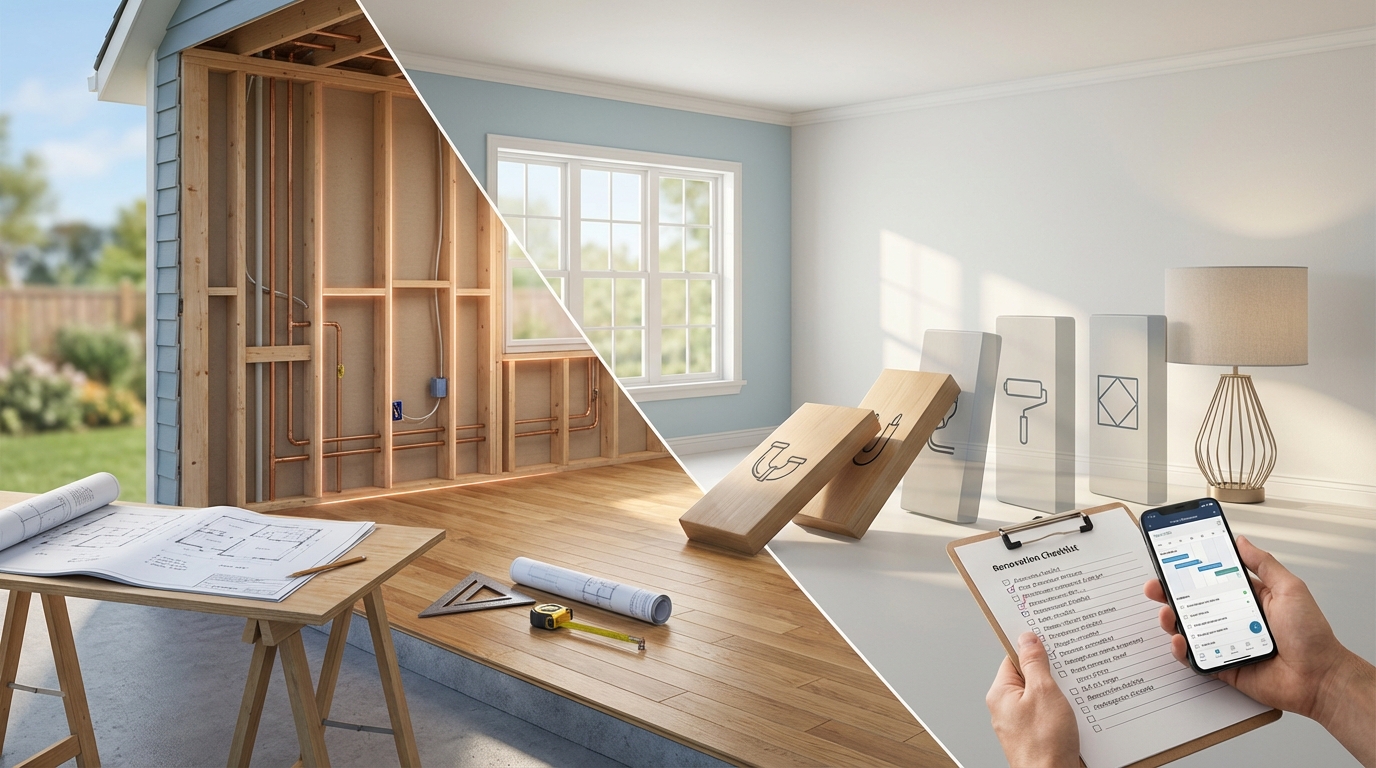
Professional contractors follow a proven sequence that ensures each phase builds properly on the previous one. This systematic approach transforms your vision into reality while minimizing disruptions.
Establishing a Realistic Timeline
The first step involves detailed planning with your contractor. They’ll help create a timeline that accounts for each construction phase. Demolition typically takes 1-2 weeks.
Structural work follows, requiring another 2-3 weeks. This is when plumbing and electrical systems get upgraded. The drywall installation comes next.
Flooring and painting complete the interior transformation. Always build in buffer time for unexpected delays. This ensures your project stays on track.
Coordinating Design, Contractor Input, and Inspections
Regular communication with your contractor is essential. They coordinate inspections at key milestones. This prevents rework and ensures code compliance.
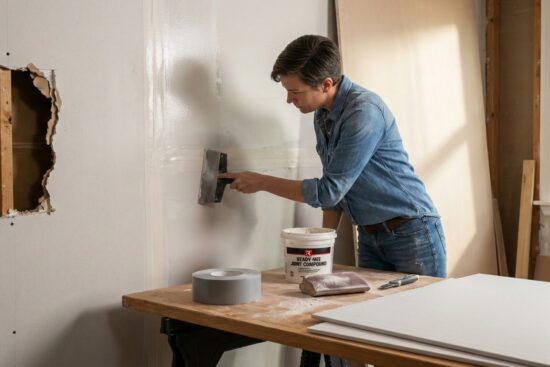
The sequencing matters greatly. Drywall must precede painting. Flooring installation happens before final trim work. Each step prepares for the next.
This coordinated approach makes the remodeling process smooth. Your contractor manages the workflow while keeping you informed throughout the project.
Budgeting and Scheduling: Balancing Investment and Value
Smart financial planning transforms your home improvement dreams into achievable realities. Many homeowners spent a median of $18,000 on improvements in 2021, though costs vary widely.
Your budget needs careful consideration of several factors. The scale of your project makes a big difference—compare installing a kitchen island versus replacing all cabinets. Local labor costs and material prices also significantly impact your total investment.
Building Your Financial Safety Net
Always include a 10-30% contingency fund for unexpected costs. Hidden water damage or outdated wiring often surface during demolition. This buffer keeps your remodeling project moving forward when surprises occur.
Obtain multiple estimates from different contractors. Compare not just prices but also timelines and approaches. This helps you find the best value for your property investment.
Kitchen and bathroom updates typically offer excellent returns. They improve daily living while increasing your home‘s market appeal. Strategic spending on items you use daily brings the most satisfaction.
Keep your project on budget with clear contractor communication and detailed contracts. Avoid mid-stream design changes that increase costs. Thoughtful budgeting maximizes every dollar invested in your living space.
Conclusion: Bringing Your Renovation Vision to Life
Achieving your dream home begins with understanding that some construction work simply requires expert hands. The strategic approach outlined in this guide ensures your home renovation progresses smoothly from foundation to finish.
Remember to address hidden problems like water damage or mold early. This prevents costly rework later. For complex projects, always call a professional for critical to ensure safety and quality.
At Legacy Builders Group, we turn visions into reality with precision and craftsmanship. Let’s make your remodel journey memorable together. Your dream space awaits!
FAQ
What should I look for during a pre-renovation home inspection?
Before starting any work, it’s crucial to check for hidden problems like water damage, mold, or foundational issues. An inspection can reveal problems with your plumbing, electrical systems, or the structural integrity of walls and floors. Addressing these first prevents costly surprises later.
How do I decide between a necessary repair and a cosmetic upgrade?
Focus on safety and function first. Fixing a leaky roof or faulty wiring is a “need to do” project. Aesthetic changes, like new paint or flooring, are often “want to do” items. Tackling essential repairs ensures your house is safe and sound before moving on to beautifying the space.
Why should exterior work like windows and roofing come before interior remodeling?
Starting on the outside protects your investment. Weatherproofing your property with a sturdy roof and efficient windows shields the interior from water damage. This approach also keeps construction mess outside, minimizing disruption to your daily life as you move to interior projects like the kitchen or bathroom.
In what order should I complete interior projects?
After structural and mechanical systems are updated, begin with demolition, then move to “rough-in” work like plumbing and electrical inside walls. Next, install drywall, followed by painting and flooring. Save final touches, like light fixtures, for last. This sequence avoids damaging new finishes.
How much should I budget for unexpected issues during a remodel?
It’s wise to set aside an extra 10-20% of your total budget for unforeseen problems. During construction, contractors might discover issues like outdated wiring or mold that need immediate attention. A contingency fund ensures your project can continue smoothly without financial stress.