Designing your baby’s first space is one of the most exciting parts of preparing for their arrival. This special room will be the backdrop for countless precious moments during your child’s early years. It’s where you’ll share quiet nights, joyful playtimes, and sweet bonding experiences.
Creating a calm and functional environment requires thoughtful design that balances beauty with practicality. The goal is to build a nurturing space that meets both your needs and supports your baby’s development. A well-designed nursery becomes more than just another room in your home.
This guide will walk you through the entire process from initial vision to final touches. Whether you have a spacious area or a cozy corner, the principles remain the same. Prioritize safety, maximize functionality, and create an atmosphere that promotes rest and peaceful bonding.
By following a structured approach, you can avoid feeling overwhelmed. Instead, you’ll enjoy the creative journey of bringing your vision to life. For inspiring nursery ideas, consider starting with neutral bases and adding playful touches through accessories.
Key Takeaways
- Designing a nursery is an exciting opportunity to create a special space for your baby
- Balance aesthetics with practicality for a room that works for both parent and child
- Safety should always be the top priority in your design choices
- A structured planning process helps avoid overwhelm and ensures success
- The nursery should support sleep, play, growth, and bonding moments
- Personal touches make the space uniquely yours while maintaining functionality
- Even small spaces can become nurturing environments with thoughtful design
Establishing the Vision for Your Nursery
Your baby’s room should be a sanctuary that reflects your family’s personality while serving practical needs. Start by gathering inspiration from platforms like Pinterest and design blogs. This helps you visualize how different elements work together before making decisions.
Setting the Atmosphere with Color and Themes
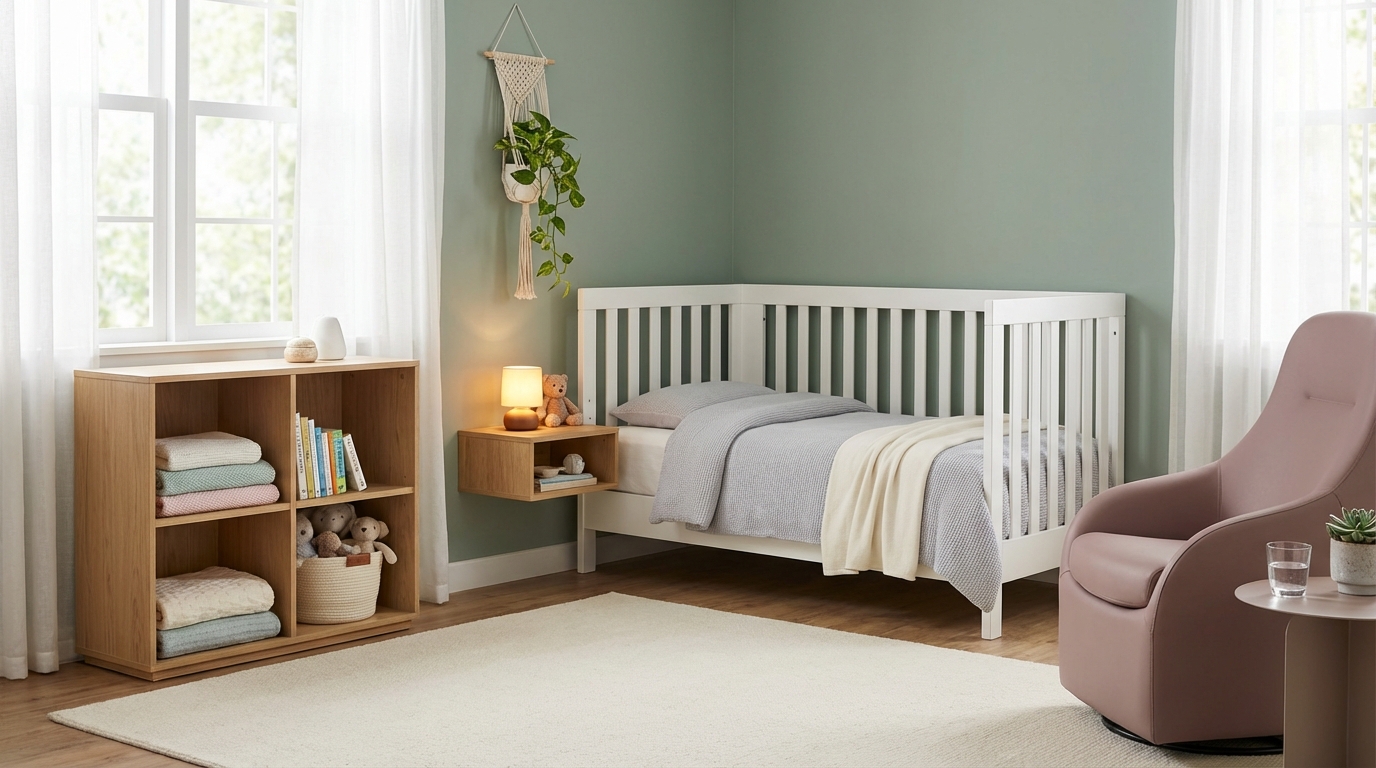
The right color scheme creates the entire room’s feeling. Soft pastels offer calmness, while vibrant shades stimulate developing senses. Popular options include gender-neutral yellows or mint greens that work for any child.
When selecting themes, consider timeless choices like nature scenes or animals. These elements can inspire imagination as your little one grows. The design style—whether modern or traditional—should create a beautiful, functional space.
Balancing Safety and Style
Every decor choice must prioritize safety alongside aesthetics. Select age-appropriate items free from small parts or hazards. Non-toxic materials ensure a healthy environment for your family.
Create a mood board early in the process. This helps visualize how colors, themes, and style elements combine. Thoughtful touches make the space uniquely yours while maintaining functionality.
| Color Scheme | Atmosphere Created | Best For |
|---|---|---|
| Soft Neutrals | Serene, calming environment | Spaces that grow with your child |
| Black & White | High-contrast visual stimulation | Developing infant vision |
| Bright Colors | Playful, energetic feeling | Stimulating activity areas |
| Gender-Neutral Shades | Versatile, welcoming space | Families keeping options open |
Establishing a clear vision from the beginning ensures a cohesive result. Your choices should create an atmosphere that supports both relaxation and development.
Nursery Renovation Planning: Laying the Foundation
Mapping out your baby’s future haven requires careful consideration of dimensions, light sources, and functional requirements. This initial stage of planning establishes the groundwork for everything that follows. Getting this foundation right ensures your space works efficiently for both you and your little one.
Proper preparation prevents last-minute changes that can disrupt your timeline. Many parents find that starting their nursery renovation planning around months 3-4 of pregnancy allows ample time for inspiration gathering and decision-making.
Assessing Your Space and Layout
Begin by measuring your room thoroughly. Most baby spaces range from 8×10 feet to 10×12 feet, but your area might differ. Note window placements, door swings, and closet locations—these elements significantly impact your furniture arrangement.
Natural light deserves special attention. Observe how sunlight moves through the space at different times. This awareness helps you position the crib optimally and determine if room-darkening solutions will be necessary. Thoughtful layout planning creates a room that feels spacious and organized.
Choosing Functional Zones for Sleep, Feeding, and Play
Divide your floor plan into four distinct areas: sleeping, feeding, changing, and play zones. This zoning approach creates logical workflow during those late-night feedings and diaper changes. Each area serves a specific purpose while contributing to the room’s overall harmony.
Consider the natural flow between zones. You should move easily from crib to changing station without obstacles. This practical approach to space planning ensures functionality meets comfort. For inspiration on creating zones that maintain their appeal, explore timeless design principles that grow with your child.
Allow adequate time for paint fumes to dissipate before your baby’s arrival. This simple tip ensures a healthy environment from day one.
Selecting Smart Nursery Furniture
Smart furniture selection transforms a room into a practical sanctuary that evolves with your little one. The right pieces create a foundation that supports daily routines while adapting to your child’s growth.
Crib, Changing Table, and Glider Choices
Start with a convertible crib that transitions from infant bed to toddler bed. This single investment serves multiple stages. Always purchase the conversion kit when buying your crib to ensure availability.
A dresser with a removable changing topper offers excellent versatility. This setup provides ample storage while converting to standard furniture later. Built-in organization keeps essentials within easy reach.
The feeding area requires a comfortable chair with proper support. Look for a glider with plush cushions and an ottoman. This creates a cozy spot for feeding sessions and bedtime stories.
Safety remains paramount for all furniture pieces. Verify crib slat spacing meets current standards. Choose non-toxic finishes and stable construction throughout the room.
Plan to order major items by months 5-6 of pregnancy. This allows time for delivery and assembly. For more insights on adaptable spaces, explore design strategies that grow with your.
Creating Distinct Zones for a Nurturing Environment
Creating dedicated areas for different activities helps establish routines and makes daily care more efficient. This thoughtful approach to your nursery layout ensures every part of the room serves a specific purpose while maintaining harmony.
Designing the Sleeping and Feeding Areas
The sleeping zone forms the heart of your baby’s space. Position the crib in the quietest corner, away from windows and doors. This creates a peaceful place for undisturbed rest.
Your feeding area should offer comfort and convenience. Choose a cozy glider with a side table for essentials. Soft lighting and nearby storage make this spot perfect for bonding time.
Organizing the Play and Changing Zones
The play zone needs a soft rug and open floor space. Low shelves with books and toys encourage exploration. This layout supports your little one’s development during playtime.
Efficiency defines the changing zone. Keep all supplies organized and within reach. A nearby trash can allows quick disposal without leaving your baby unattended.
| Zone | Primary Purpose | Key Features |
|---|---|---|
| Sleeping | Rest and safety | Quiet location, crib safety, adequate space |
| Feeding | Comfort and bonding | Comfortable chair, side table, soft lighting |
| Play | Development and interaction | Soft surface, accessible toys, open space |
| Changing | Efficiency and organization | Supplies storage, trash access, convenient placement |
Each zone should flow naturally into the next. This thoughtful room layout creates a nurturing environment that grows with your child.
Incorporating Lighting and Storage Solutions
The right combination of lighting and storage transforms a baby’s room from a simple space into a highly functional and soothing haven. These elements work together to support both daily routines and peaceful rest.
Optimal Lighting for Day and Night
Layered lighting is essential. Start with an overhead light on a dimmer switch for general illumination. This allows you to create a soft glow for bedtime routines.
Add a small night light for those necessary midnight trips. It provides enough visibility without being disruptive. A reading lamp near your chair is perfect for story time.
Proper lighting is not just about visibility; it’s about creating rhythm and calm for your little one’s day and night.
Always secure electrical cords safely out of reach. Consider cordless window treatments for added safety. Room-darkening curtains or blackout shades are invaluable for promoting longer, better naps.
Smart Storage for Organization
Effective storage keeps all your essentials tidy and accessible. Use a mix of open and closed solutions to manage different items.
Drawer dividers are perfect for organizing tiny clothes. Open bins or baskets on shelves hold diaper supplies for quick changes. Lidded benches are great for containing toys and books.
| Storage Type | Best For | Key Advantage |
|---|---|---|
| Drawer Dividers | Small clothing items | Keeps tiny pieces neatly separated |
| Open Bins & Baskets | Diapers, wipes, creams | Allows for quick and easy access |
| Lidded Benches & Boxes | Toys and books | Contains clutter while looking tidy |
Keep your changing station fully stocked. Have diapers, wipes, and creams within arm’s reach. Install a ceiling fan around the seventh month for better air circulation.
Finally, always anchor tall dressers and bookshelves to the wall. This prevents tip-overs and ensures a safe environment as your child grows.
Personalizing Your Nursery with Unique Touches
Infusing your baby’s special space with personal elements transforms it from a functional room into a heartfelt sanctuary. These final details weave your family’s story into the very fabric of the environment.
Custom Décor and Family Memories
Create a gallery wall with framed family photos and meaningful artwork. This celebrates your child’s arrival and connects them to their heritage.
Handmade items, like a quilt from a grandparent, add priceless sentimental value. These personal touches make the space uniquely yours.
Integrating Essential Accessories and Finishing Touches
Choose accessories that support development. Alphabet decals and high-contrast patterns stimulate your baby’s growing mind.
Fill bookshelves with colorful picture books to encourage a love of reading. Sensory elements like textured rugs and soft toys invite exploration.
Thoughtful organization is key. Use attractive baskets to keep toys tidy. Rotate them to maintain your child’s interest.
| Element Type | Developmental Benefit | Implementation Tip |
|---|---|---|
| Wall Art & Photos | Visual stimulation, family connection | Create a gallery wall at baby’s eye level |
| Books & Textiles | Language skills, sensory discovery | Use a mix of fabric and board books |
| Educational Decor | Cognitive growth | Choose age-appropriate shapes and colors |
Conclusion
Your completed nursery represents more than just a room—it’s a carefully crafted environment ready for your baby’s arrival. This special place combines practical function with heartfelt personal touches that make it uniquely yours.
Following a solid plan has helped you create a layout that works beautifully. You’ve selected furniture pieces that support daily routines while keeping safety paramount. The result is a space that feels both organized and welcoming.
The true value of your nursery design shines through in how it supports your family’s needs. From late-night feedings to playful afternoons, every element serves a purpose. Your thoughtful approach ensures this room will adapt as your child grows.
Take a moment to appreciate what you’ve accomplished. You’ve built a foundation for countless precious memories. This nurturing environment will witness your baby’s first smiles, steps, and discoveries.
Remember that the best nurseries evolve over time. Your current setup provides the flexibility to adjust as needs change. Enjoy this special space and the beautiful moments it will host.
FAQ
What is the best color for a baby’s room?
Soft, calming colors like light blues, gentle greens, muted lavenders, and warm neutrals are excellent choices. These shades help create a serene atmosphere that is perfect for sleep and relaxation. You can always add pops of brighter color with accessories and decor items.
How can I make the most of a small space?
Focus on smart furniture that serves multiple purposes. A dresser that doubles as a changing table and a crib with built-in storage drawers are fantastic space-savers. Using wall-mounted shelves and vertical storage bins can also free up valuable floor area.
What are the essential furniture pieces I need?
The core essentials are a safe crib, a comfortable chair for feeding, and a dedicated spot for changing diapers. A sturdy dresser offers crucial storage for clothes. These foundational pieces create a functional environment for you and your child.
How important is lighting in the design?
Lighting is incredibly important for setting the right mood. A main overhead light is needed for daytime, but a dimmable lamp or a small night light is essential for those late-night feedings and diaper changes without fully waking the baby.
What are some simple ways to personalize the room?
Adding personal touches makes the space special. Hang framed family photos, create a gallery wall of art, or use decorative baskets for storing toys and books. These small elements infuse the room with love and make it uniquely yours.
How do I create different areas for sleep and play?
You can define zones within the room even without walls. Place the crib in a quiet corner away from the door. Use a soft rug and bins for toys to mark the play area. A comfortable glider and a small side table can clearly designate the feeding zone.