You don’t need to spend a lot to make your living room feel high-end. A few smart choices can lift the space’s style and create a polished look guests will notice. Whether you use thrifted finds, repurposed furniture, or simple upgrades, the trick is to focus on details that create impact without the high price tag.
At Home Remodel Guidance, we’ve seen how small changes can change how a room feels. The right lighting or furniture arrangement can turn a tired space into one that looks designer-made. Here are practical ways to get that expensive look on a budget.
What Makes a Living Room Feel Expensive
A room that looks expensive isn’t about buying the most costly items. It’s about creating a design that feels intentional and pulled together. Think clean lines, balanced proportions, and a cohesive color scheme. Every piece should work together, even if it wasn’t expensive.
The American Society of Interior Designers (ASID) says well-designed rooms focus on three things: flow, focal points, and texture. Flow is how furniture guides your eye through the space. Focal points draw attention naturally, and texture adds depth and warmth. These principles build a high-end look, and you can use them on any budget.
Begin With a Neutral Color Palette: The Foundation of Luxury
A neutral color scheme is the fastest way to make a living room look sophisticated. Beige, cream, soft gray, and warm taupe make a space feel open and airy. These colors also work as a neutral base, letting you add texture and accents without clashing.
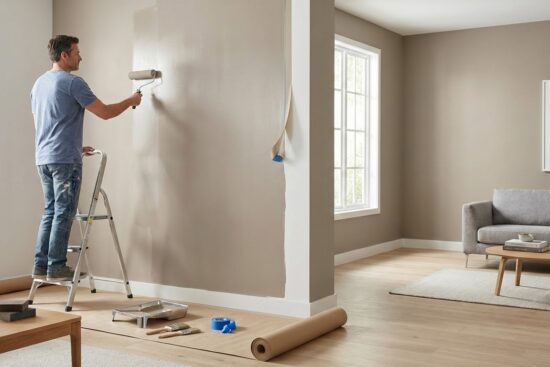
If you’re unsure where to start, repaint your walls in a warm off-white like Swiss Coffee by Benjamin Moore or Alabaster by Sherwin-Williams. These colors last, touch up easily, and work with any decor style. For a bolder neutral look, add neutral tones through furniture and textiles, such as a gray velvet sofa or a cream area rug.
Use the 60-30-10 rule for color: 60% dominant color (walls), 30% secondary color (furniture), and 10% accent color (decor). This balance creates a harmonious, designer-inspired look.
Invest in Statement Lighting: The Secret to a High-End Vibe
Lighting is one of the most powerful—and often overlooked—parts of interior design. A single statement light fixture can turn an ordinary room into something special. Look for fixtures with clean lines, metallic finishes (like brass or gold), or unique shapes, such as a drum pendant or a sculptural floor lamp.
If you’re on a tight budget, check discount retailers like IKEA, Wayfair, or Amazon for affordable yet stylish options. A black matte pendant light or a brass arc floor lamp can add instant glamour without breaking the bank. For a DIY touch, spray-paint an old lamp base in a metallic finish or add a custom lampshade for a personalized look.
Don’t forget natural light. Sheer curtains or blinds in a neutral tone can maximize sunlight while keeping privacy. According to the U.S. Department of Energy, natural light improves mood and productivity.
Where to Place Lighting for Best Effect
- Overhead lighting: A central fixture like a chandelier or pendant light anchors the room and provides general illumination.
- Task lighting: Floor lamps or table lamps near seating areas improve function for reading or crafting.
- Accent lighting: LED strips behind a TV or under shelves add drama and highlight features.
Choose Quality Over Quantity: Furniture That Lasts
Furniture is the backbone of your living room’s design, so it’s worth investing in pieces that are both stylish and durable. You don’t need a full overhaul to get a high-end look—just select a few key items and arrange them thoughtfully.
Start with a sofa or sectional, usually the most expensive piece in the room. Choose neutral fabrics like linen, velvet, or leather, which age well and add texture. If buying new isn’t an option, refinish an old sofa with a slipcover or throw pillows in a luxe fabric like bouclé or faux fur.
For seating, mix in a wingback chair, ottoman, or accent chairs in complementary colors. Thrift stores, Facebook Marketplace, and estate sales are great places to find unique pieces. A little elbow grease (and maybe a slipcover) can turn a dated item into a statement piece.
Arrange Furniture for Flow and Conversation
The layout of your furniture sets the tone for how the room feels. A well-arranged living room encourages conversation and creates a sense of intimacy. Here’s how to do it:
- Anchor the space: Place your sofa or largest piece of furniture against the longest wall, facing the focal point (like a fireplace or TV).
- Create conversation areas: Arrange seating in a U-shape or facing each other to encourage interaction.
- Leave room to move: Ensure there’s at least 2–3 feet of walkway between furniture pieces for easy navigation.
- Add a rug: A large area rug (at least 8×10 feet for a standard living room) grounds the space and ties the furniture together. Choose a neutral or subtle pattern to keep it versatile.
Layer Textures for Depth and Warmth
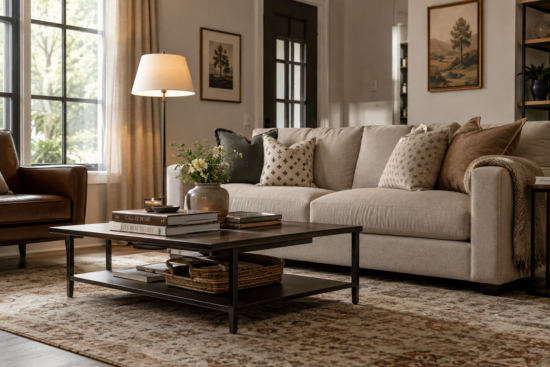
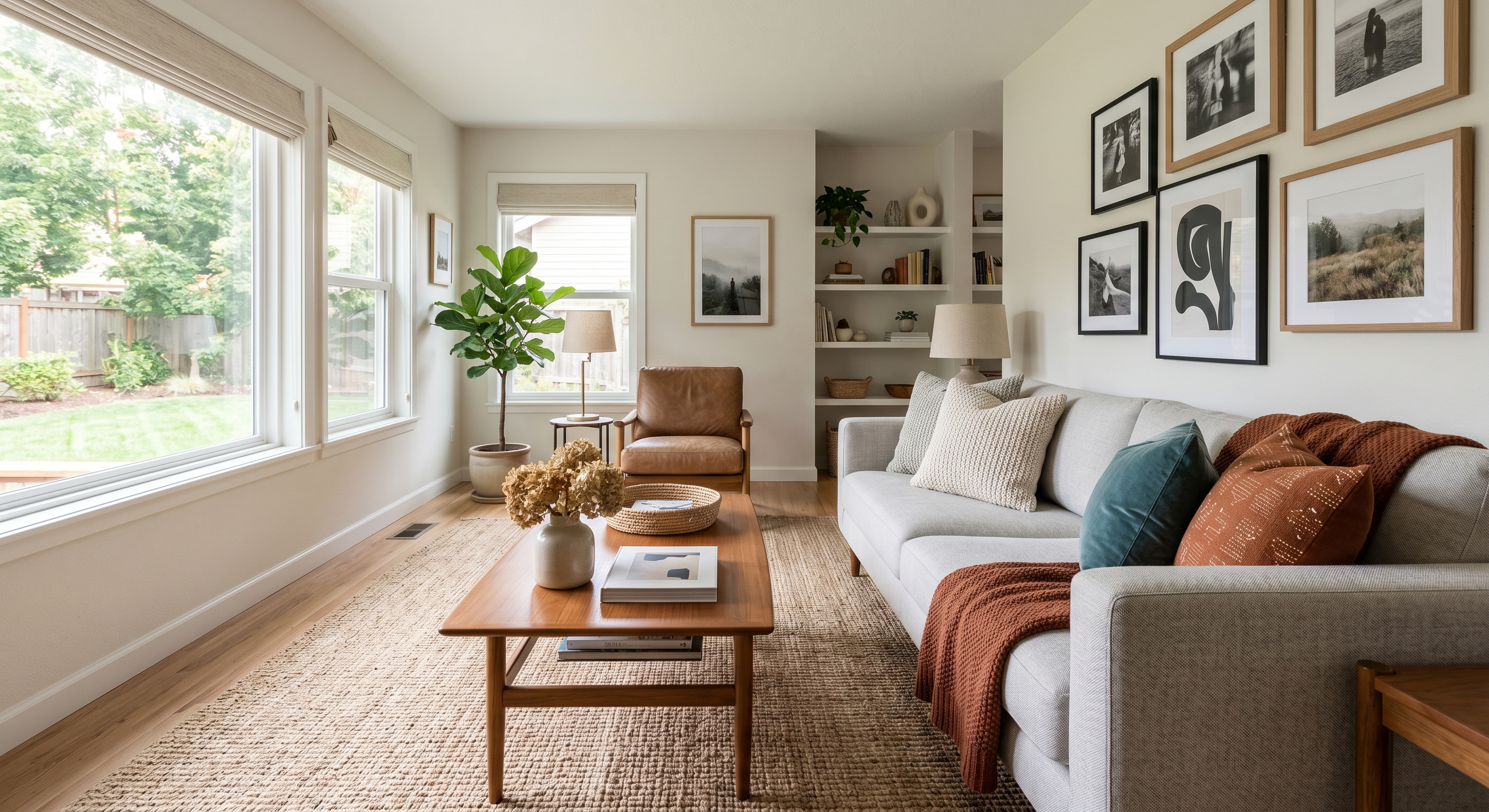
Texture gives a room its character. Without it, even expensive furniture can feel flat and uninviting. The trick to a luxe look is layering different textures—think velvet pillows on a leather sofa, a jute rug over hardwood floors, or a chunky knit throw on a chair.
Start with the basics:
- Furniture: Wood, metal, glass, or upholstered pieces add variety.
- Textiles: Pillows, throws, curtains, and rugs in materials like linen, wool, silk, or faux fur.
- Wall decor: Framed art, mirrors, or woven wall hangings introduce tactile elements.
For example, pair a sleek modern sofa with a bouclé throw pillow and a jute rug to create contrast. Or drape a chunky knit blanket over a leather armchair for a cozy, lived-in feel. These small additions make the room feel curated and intentional, not like a showroom.
Budget-Friendly Texture Hacks
- DIY upholstery: Recover old cushions or dining chairs with fabric from a local fabric store.
- Mix materials: Combine wood, metal, and fabric in your decor for visual interest.
- Use baskets: Woven baskets add texture while providing storage.
- Swap out hardware: Replace plain drawer pulls on furniture with brushed brass or matte black knobs for an instant upgrade.
Accessorize Strategically: Less Is More
Many people overcrowd surfaces with knickknacks that hurt the room’s elegance. The key to a luxe look is curating a few high-impact pieces rather than filling every surface. Think of your accessories as the jewelry of your living room—small but meaningful.
Start with a large mirror. Mirrors reflect light and create the illusion of a larger space. An oversized mirror with a decorative frame (or even a simple, frameless one) can become a statement piece. Place it opposite a window to maximize natural light.
Next, add a few framed art prints or photographs. Choose pieces with cohesive colors or themes, and hang them in a gallery wall arrangement. For a budget-friendly option, print high-quality images at a local print shop or use services like Saatchi Art for affordable prints.
Finally, incorporate greenery. Plants add life and freshness to a space. A snake plant, pothos, or fiddle-leaf fig in a stylish pot can elevate the room’s vibe. According to NASA, houseplants also improve indoor air quality, making your living room healthier as well as prettier.
What to Avoid When Accessorizing
- Overcrowding surfaces: Leave breathing room between decor items.
- Mismatched styles: Stick to a cohesive theme (e.g., modern, boho, or Scandinavian).
- Cheap-looking materials: Avoid plastic or overly shiny finishes that scream “budget.”
Upgrade Your Walls: The Power of Paint and Molding
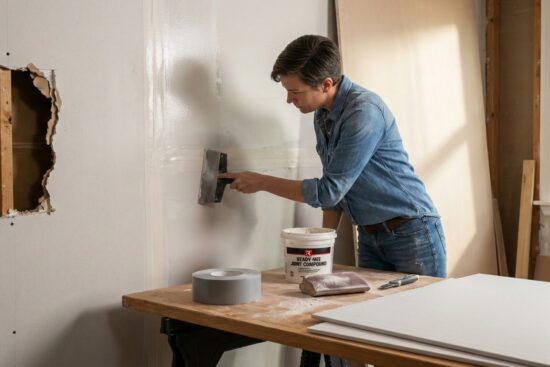
Walls are the largest blank canvas in your living room, so don’t underestimate their potential. A fresh coat of paint can work wonders, but you can take it further with simple architectural details like crown molding or wainscoting.
If crown molding isn’t in the budget, consider adding a paint-and-stencil faux molding treatment. This DIY hack mimics the look of crown molding using paint and a stencil, adding architectural interest without the cost of real wood. Websites like This Old House offer step-by-step tutorials for this technique.
Another wall upgrade is a textured paint finish, such as Venetian plaster or a subtle linen effect. These finishes add depth and sophistication to plain walls. For a more dramatic look, consider an accent wall in a rich, deep color like navy, emerald, or charcoal.
DIY Wall Treatments on a Budget
- Peel-and-stick wallpaper: Accent walls, behind a sofa, or inside bookshelves can add pattern and personality.
- Wood plank accent wall: Use inexpensive pine boards to create a rustic or modern accent wall.
- Fabric wall hanging: Hang a large piece of linen or velvet fabric as a textile wall treatment.
Flooring Matters: Small Changes for Big Impact
Flooring is a significant investment, but you don’t have to replace it entirely to see an improvement. Start by deep cleaning your existing floors—hardwood, tile, or laminate can look brand new with a good scrub. For carpets, a professional steam cleaning can remove stains and odors, making them appear fresher.
If your floors are beyond saving, consider temporary solutions like:
- Area rugs: A large, high-quality rug can define the space and add warmth. Look for rugs with a tight weave (like wool or polypropylene) for durability.
- Rug pads: A thick rug pad adds cushioning and makes the rug feel more luxurious.
- Vinyl plank flooring: Peel-and-stick vinyl planks are an affordable way to mimic hardwood or tile. Brands like Ruskal offer realistic wood-look options.
Choosing the Right Rug Size
Rugs anchor your living room and tie the furniture together. Here’s how to size them correctly:
- All furniture on the rug: The rug should be large enough for all legs of your furniture to sit on it (e.g., a 9×12 rug for a standard sofa and chairs).
- Some furniture on the rug: The front legs of your sofa and chairs should rest on the rug, with the back legs on the floor.
- No furniture on the rug: The rug should extend at least 6 inches beyond the furniture on all sides.
Window Treatments: Elevate with Fabric and Hardware
Windows are often overlooked, but they’re a prime opportunity to add luxury to your living room. Heavy, floor-length curtains in a neutral fabric like linen or velvet can make a room feel more elegant. Avoid cheap-looking blinds or sheers that don’t add texture or depth.
For an affordable upgrade, shop for curtain panels at stores like HomeGoods, TJ Maxx, or IKEA. Look for fabrics with subtle patterns or textures, and choose hardware (curtain rods and finials) in finishes like brass, matte black, or wood. A double rod setup (one for curtains and one for sheers) adds dimension and allows for versatility in lighting.
If you already have blinds or shades, consider dressing them up with valances or cornices. These fabric treatments cover the top of the window and add a polished finish. A simple box pleat valance can be made from leftover fabric or a bedsheet.
Window Treatment Styles for Different Vibes
| Style | Best For | Budget Tip |
|---|---|---|
| Floor-length curtains | Classic, elegant, or formal living rooms | Use clip-top curtains on a tension rod for an instant upgrade. |
| Roman shades | Modern or minimalist spaces | Sew your own from fabric remnants or buy a ready-made one. |
| Sheer curtains | Coastal, Scandinavian, or airy spaces | Layer over blinds for a soft, diffused light effect. |
| Plantation shutters | Traditional or farmhouse styles | Look for faux wood shutters to save money. |
DIY Projects to Add Luxury Without the Price Tag
DIY projects are your best friend when you’re on a budget. They let you customize your space while keeping costs low. Here are a few projects that can make a big difference:
1. Refinish or Paint Furniture
Give an old dresser, coffee table, or bookshelf a new life with a coat of paint or stain. Chalk paint is beginner-friendly and creates a matte, high-end finish. For wood furniture, sand and stain it for a richer look. A two-tone dresser (e.g., white top and navy bottom) adds modern flair.
2. Create a Gallery Wall
A gallery wall is a cost-effective way to add personality to your living room. Mix framed art, photographs, and even small mirrors for visual interest. Use a consistent color scheme or frame style to keep it cohesive. For a budget-friendly option, print your favorite photos at a local drugstore or use free printable art from sites like Unsplash.
3. Add Crown Molding (Fake It Till You Make It)
Crown molding adds architectural detail and a high-end feel to any room. If you can’t afford real molding, create a DIY version using foam board or MDF trim. Paint it the same color as your walls for a subtle look, or go bold with a contrasting color. For step-by-step instructions, check out our guide on adding crown molding.
4. Update Cabinet Hardware
Cabinet hardware (like drawer pulls and knobs) is an easy and affordable way to refresh outdated furniture. Swap out basic hardware for something more stylish, like brushed brass, matte black, or ceramic knobs. This small change can make a piece look brand new.
5. Build a Custom Media Console
A media console doesn’t have to be expensive to look custom. Use IKEA’s KALLAX shelving unit as a base, then add doors or drawers using plywood and paint. Top it with a marble-look laminate for an instant high-end finish. This project costs under $100 but looks like a designer piece.
Declutter and Edit: The Art of Less Is More
One of the biggest mistakes people make when trying to create an expensive-looking living room is overcrowding the space. A cluttered room feels chaotic and cheap, no matter how much you spend. The key to a luxurious look is editing your belongings and keeping only what’s necessary or meaningful.
Start by decluttering surfaces like coffee tables, bookshelves, and mantels. Keep only a few carefully chosen items, such as:
- A stack of books or a few decorative objects.
- A single framed photo or art print.
- A vase with fresh or dried flowers.
For bookshelves, mix books with a few decorative objects and plants. Avoid lining up books spine-out—mix them horizontally for visual interest. Group items in odd numbers (e.g., three vases or five framed prints) for a balanced, curated look.
Storage Solutions for a Tidy Space
Clutter is the enemy of a high-end living room. Invest in stylish storage solutions to keep everyday items out of sight. Consider:
- Storage ottomans: Serve as seating, a footrest, and hidden storage.
- Floating shelves: Display books and decor while keeping floors clear.
- Baskets and bins: Hide away blankets, toys, or electronics in a stylish way.
- Console tables: Provide surface space for decor while offering storage underneath.
Play With Scale: Oversized Furniture and Decor
Oversized furniture and decor create a sense of grandeur and luxury. A large sectional, tall floor lamp, or extra-long curtains can make a room feel more expansive and high-end. Don’t be afraid to go big—just balance it with smaller, more delicate pieces to avoid overwhelming the space.
For example, pair a chunky, low-profile sofa with a slim, tall floor lamp to create contrast. Or use a large area rug to define the space and add warmth. These scale-driven choices trick the eye into seeing a more luxurious room.
Scale Cheat Sheet
| Item | Small Scale | Large Scale |
|---|---|---|
| Sofa | 6–7 feet long | 8–10 feet long |
| Coffee table | 24–36 inches wide | 48–60 inches wide |
| Floor lamp | 5–6 feet tall | 7+ feet tall |
| Rug | 5×8 feet | 8×10 feet or larger |
Metallic Finishes: Instant Glamour
Metallic finishes—like gold, brass, chrome, and matte black—add a touch of glamour to any living room. These finishes reflect light and create a sense of opulence. Incorporate them through hardware, lighting, decor, and even furniture.
Start small with metallic accents:
- Hardware: Swap out basic knobs and pulls for brushed brass or matte black.
- Lighting: Choose fixtures with metallic finishes, like a brass chandelier or chrome floor lamp.
- Decor: Use metallic vases, candle holders, or picture frames as accents.
- Furniture: Look for pieces with metallic legs or frames, like a gold-finished side table.
For a bolder look, paint an entire accent wall in a metallic paint, like Sherwin-Williams “Gold Leaf” or Benjamin Moore “Metallic Copper”. These paints add shimmer and depth without the cost of real metal.
Scent and Sound: The Final Touches
A luxurious living room isn’t just about what you see—it’s about the sensory experience. Scent and sound play a huge role in how a space feels. A subtle, inviting fragrance can make the room feel more welcoming, while ambient sound can set the mood.
For scent, use a diffuser with essential oils (like lavender, sandalwood, or citrus) or a scented candle in a neutral fragrance. Avoid overpowering scents—subtlety is key.
For sound, consider a sound machine or smart speaker to play ambient noise like ocean waves, rain, or café chatter. This adds an extra layer of luxury and comfort.
How to Avoid Common Budget Design Mistakes
Even with the best intentions, it’s easy to make mistakes when trying to create a high-end living room on a budget. Here are some pitfalls to avoid:
1. Skimping on Paint
Paint is one of the most affordable ways to transform a room, but using low-quality paint can look streaky or cheap. Invest in a high-quality paint with a satin or eggshell finish for a smooth, durable result. Brands like Behr or Sherwin-Williams offer great mid-range options.
2. Ignoring Proportions
Furniture that’s too big or too small for the room can throw off the entire design. Measure your space before buying anything, and choose pieces that fit the scale of the room. A too-small sofa can look lost, while a too-large sectional can overwhelm a small living room.
3. Overusing Trends
Trendy decor can feel dated quickly. Instead, opt for classic pieces and timeless colors that will stand the test of time. If you love a trendy item, use it as an accent piece rather than a focal point.
4. Forgetting About Lighting Layers
A single overhead light isn’t enough to create a well-lit, inviting space. Layer in task lighting (for reading), ambient lighting (for overall illumination), and accent lighting (to highlight decor). This creates depth and warmth.
5. Skipping the Final Edit
Once you’ve added all your decor and furniture, step back and edit. Remove anything that doesn’t contribute to the room’s overall aesthetic. Less is always more when it comes to luxury design.
Real-Life Examples: Budget Living Room Makeovers
Need inspiration? Here are a few real-life examples of living rooms that were transformed on a budget:
Example 1: The Thrifted Transformation
Before: A small apartment with a mismatched sofa, outdated light fixtures, and blank walls.
After: A cozy, elegant living room with a thrifted velvet sofa (refinished in a neutral tone), a DIY crown molding treatment, and layered textiles like a jute rug, chunky knit throw, and linen curtains. A thrifted brass floor lamp and a gallery wall of thrifted art completed the look. Total cost: under $500.
Example 2: The Rental-Friendly Upgrade
Before: A bland rental apartment with white walls, beige carpet, and no personality.
After: A modern living room with a large area rug (to define the space), peel-and-stick wallpaper on an accent wall, and a DIY media console (built from IKEA KALLAX and plywood). Added metallic accents through hardware and decor, and finished with a tall floor lamp and floor-length curtains. Total cost: under $300.
Example 3: The Minimalist Refresh
Before: A cluttered living room with too much furniture, outdated decor, and dim lighting.
After: A minimalist, airy space with a neutral color palette, a large area rug, and a few carefully chosen furniture pieces. Added a statement floor lamp, a gallery wall of black-and-white prints, and a single oversized mirror. Decluttered surfaces and added storage solutions to keep the space tidy. Total cost: under $200.
Final Thoughts: Small Changes, Big Results
Creating a living room that looks expensive on a budget isn’t about spending a fortune—it’s about making smart, intentional choices. Focus on the details: a neutral color palette, layered textures, strategic lighting, and a few high-impact decor pieces. Don’t overlook the power of decluttering, editing, and playing with scale. With a little creativity and planning, you can transform your living room into a space that feels luxurious, curated, and uniquely yours.
Remember, the goal isn’t to mimic a designer’s showroom exactly—it’s to create a room that reflects your personality while feeling elevated and intentional. Start small, prioritize what matters most to you, and build from there. Before you know it, your living room will look like it belongs in a high-end magazine, even if you’re on a tight budget.
At a Glance: Quick Tips for an Expensive-Looking Living Room
- Stick to a neutral color palette. Paint walls in warm off-whites or soft grays.
- Invest in statement lighting. A single fixture can transform the room’s vibe.
- Layer textures. Mix fabrics like velvet, linen, and jute for depth.
- Edit your decor. Less is more—keep only what’s necessary or meaningful.
- Play with scale. Oversized furniture and decor create grandeur.
- Add metallic finishes. Gold, brass, and matte black add instant glamour.
- Declutter and organize. A tidy space feels more luxurious.
- DIY where possible. Paint, refinish, or repurpose old pieces for custom looks.