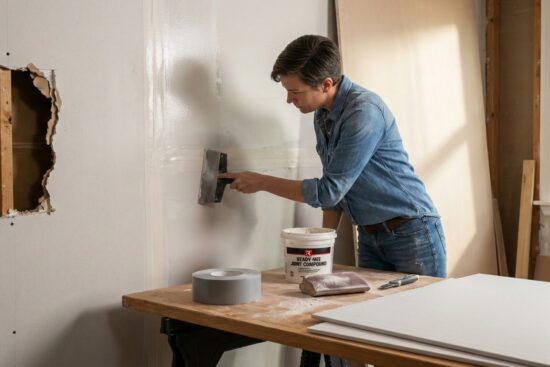
Thinking about transforming your living space? Major home renovations can be exciting, but they also come with important considerations. While painting walls or updating cabinets are straightforward updates, some alterations affect your house’s very foundation.
These types of modifications involve the essential framework that keeps your dwelling stable and secure. We’re talking about load-bearing walls, support beams, roof systems, and the foundation itself. These elements work together to ensure your family’s safety.
That’s why this kind of work requires careful planning and professional expertise. Unlike simple cosmetic updates, these alterations need proper permits and deep examination by qualified experts. Getting it right protects your investment and keeps everyone safe.
This guide will walk you through everything you need to know about successful remodeling that involves your home’s core framework. We’ll cover the planning process, finding the right team, and what to expect from start to finish.
Key Takeaways
- Major alterations to your home’s framework require professional expertise
- There’s a big difference between cosmetic updates and work that affects stability
- Load-bearing elements like walls, beams, and foundations are critical to safety
- Proper planning and permits are essential for these types of projects
- Working with qualified professionals protects your investment and ensures safety
- This guide provides a roadmap for navigating complex home transformations
Introduction: Embracing Structural Changes for Home Improvement
Many homeowners reach a point where their current layout no longer serves their lifestyle. Whether you’re welcoming new family members or simply craving a fresh environment, transforming your dwelling’s framework offers exciting possibilities.
Why Structural Changes Matter
These transformations go beyond surface-level updates. They fundamentally reshape how your house functions as a living space. Well-planned alterations can dramatically improve your daily experience.
Imagine removing barriers to create open, flowing areas. Or adding rooms to accommodate growing needs. These modifications address both practical requirements and aesthetic preferences.
The benefits extend beyond immediate comfort. Thoughtful remodeling significantly boosts property value. It modernizes your design while optimizing available space.
| Transformation Type | Primary Benefit | Value Increase | Common Applications |
|---|---|---|---|
| Wall Removal | Improved Flow | 5-15% | Open Concept Living |
| Room Addition | Expanded Space | 10-20% | Growing Families |
| Layout Reconfiguration | Enhanced Functionality | 8-18% | Modern Lifestyle Needs |
| Foundation Updates | Long-Term Safety | Varies by Scope | Aging Home Improvements |
Proper planning turns potential challenges into rewarding opportunities. The right approach ensures your home evolves beautifully with your life’s journey.
Understanding Structural Modifications in Your Home
Homeowners dreaming of major transformations must first understand what separates simple redecorating from alterations to the building’s essential framework. This distinction determines everything from required permits to professional involvement.
Defining Structural Changes and Remodeling
Structural remodeling involves work that affects your home’s core support system. Unlike painting or cabinet replacement, these modifications alter the fundamental framework that keeps your dwelling stable and secure.
Common examples include removing walls, adding room extensions, or adjusting roof lines. These projects require careful planning and professional assessment since they impact your home’s stability.
Key Elements: Load-Bearing Walls, Foundation, and More
Your home’s stability depends on several critical components. The most important elements include:
- Load-bearing walls that support weight from floors and roof above
- The foundation that anchors your entire structure to the ground
- Support beams that distribute weight throughout the framework
- Roof and ceiling systems that provide overhead protection
Identifying load-bearing walls versus non-structural partitions is crucial. Load-bearing walls typically run perpendicular to floor joists and often support multiple levels. Partition walls simply divide space and can be removed more easily.
Understanding these elements helps you communicate effectively with professionals. It ensures your renovation dreams become safe, successful realities that enhance your living experience.
Evaluating Your Home’s Structural Integrity
Before swinging that first hammer, there’s a crucial step that safeguards your entire renovation project. A professional inspection reveals your home’s true condition and prevents costly surprises.
Importance of Professional Home Inspections
Licensed inspectors examine critical areas like your foundation and load-bearing walls. They check for cracks, settling, or shifts that could affect stability.
This assessment ensures your dwelling can handle planned modifications safely. It’s your first line of defense against unexpected problems.
Identifying Hidden Structural Issues
Many problems remain invisible to untrained eyes. Water damage from leaky windows can weaken wall structures over time.
Wood rot, termite damage, or poor original construction can impact your project’s feasibility. Early discovery saves money and ensures safety.
| Inspection Area | Common Issues Found | Potential Impact | Recommended Action |
|---|---|---|---|
| Foundation | Cracks, settling, moisture | Major stability concerns | Professional repair required |
| Load-Bearing Walls | Water damage, deterioration | Compromised support | Reinforcement or replacement |
| Framing Members | Wood rot, insect damage | Weakened structure | Targeted repairs needed |
| Roof Systems | Sagging, damaged supports | Overhead safety risks | Immediate attention required |
Addressing existing problems before adding new loads protects your investment. This thorough evaluation gives you confidence moving forward with your renovation plans.
Budgeting, Permits, and Planning Your Renovation Project
Before construction begins, careful budgeting and timeline management set the stage for success. This planning phase turns your vision into an achievable reality.
Creating a Realistic Budget and Timeline
Start by breaking down costs into clear categories. Materials, labor, and professional fees form your baseline. Always include permit costs and inspection fees.
Smart planning means expecting the unexpected. Set aside 10-15% of your total budget for surprises. This cushion protects you from hidden issues.
The permit process ensures your project meets safety standards. Local building codes exist to protect homeowners. Experienced professionals understand these requirements.
| Budget Category | Typical Percentage | Key Considerations | Flexibility Needed |
|---|---|---|---|
| Materials & Supplies | 40-50% | Quality vs. cost balance | Medium |
| Labor & Professional Fees | 30-40% | Experience level matters | Low |
| Permits & Inspections | 5-10% | Local requirements vary | Low |
| Contingency Fund | 10-15% | Unexpected discoveries | High |
Time management is equally important. Permit approval can take weeks. Material deliveries may experience delays. Build extra time into your schedule.
Focus your budget on essential changes first. Nice-to-have features can come later. This approach keeps your remodeling project on track.
Partnering with a Structural Changes Contractor
Your renovation’s success largely depends on selecting experienced specialists who understand complex building systems. Not every construction professional has the expertise needed for significant alterations to your home’s framework.
Look for a team with specific experience in major remodeling work. They should demonstrate knowledge of foundation systems, load-bearing elements, and proper engineering principles.
What to Look for in a Structural Changes Contractor
Seek professionals with a proven track record in similar projects. Ask about their experience with foundation repairs, wall removals, and room additions.
Inquire about their relationship with engineering professionals. A quality team maintains strong connections with structural experts. This ensures proper design and safety compliance.
Verifying Credentials, Experience, and Insurance
Always check licensing, certifications, and insurance coverage. Proper insurance protects you from liability during the remodeling process.
Request references from past clients with similar project scopes. Review their portfolio of completed work to assess quality and capability.
The right professional views your home holistically. They understand how alterations impact multiple systems and maintain clear communication throughout the project.
Tackling Design and Safety Considerations
The most successful renovations blend beautiful design with uncompromising safety measures. Your remodeling vision should create stunning living spaces while protecting your home’s framework.
Balancing Aesthetic Appeal with Structural Integrity
Great design transforms how you experience each room. It considers both visual appeal and practical function in your floor plan.
Professional planning ensures open spaces maintain proper support. Creative solutions can work around mechanical systems like ducts and plumbing.
| Design Goal | Safety Requirement | Common Challenge | Professional Solution |
|---|---|---|---|
| Open floor plan | Proper load distribution | Wall contains utilities | Strategic beam placement |
| Higher ceilings | Minimum height codes | Limited vertical space | Creative truss designs |
| Expanded room size | Adequate foundation support | Soil stability issues | Reinforcement techniques |
| Modern layouts | Fire safety compliance | Egress requirements | Strategic window placement |
Ensuring Compliance with Building Codes and Safety Standards
Local building codes exist to protect homeowners during construction work. They establish minimum requirements for ceiling heights, beam sizes, and load capacity.
These regulations ensure your beautiful new space remains safe for years. Always follow critical safety protocols during any remodeling project.
“Good design marries aesthetics with engineering—creating spaces that are both beautiful and built to last.”
Early collaboration between homeowners and professionals achieves the best results. This approach delivers stunning living areas that meet all safety standards.
Implementing Your Renovation: Step-by-Step Guidance
When your home transformation project moves from planning to active construction, you enter the most dynamic phase of your renovation. This stage brings your vision to life while requiring careful oversight and flexibility.
Monitoring Construction and Making Adjustments
Even seemingly simple modifications like adding new windows involve multiple considerations. You cannot simply cut a hole and insert a window frame.
The process requires proper support redistribution, exterior weatherproofing, and interior finishing work. Each alteration affects your home’s systems in interconnected ways.
Removing or relocating walls creates cascading effects throughout your living spaces. You might encounter:
- Gaps in flooring that need careful filling and matching
- Electrical outlets requiring relocation for convenient access
- Plumbing and HVAC systems that may need reconfiguration
When removing load-bearing elements, you must add support elsewhere using beams or columns. This maintains stability while creating your desired open layout.
Regular communication with your construction team helps navigate these complexities. Site meetings allow you to review progress and discuss necessary adjustments.
Experienced professionals anticipate these challenges and make modifications that keep your project moving forward successfully.
Conclusion
The path to creating your dream living environment involves more than just aesthetic choices. It requires careful planning and the right professional team to ensure your vision becomes a safe, functional reality.
By understanding critical elements like load-bearing walls and foundation systems, you can make informed decisions about your home’s transformation. Proper permits and thorough inspections protect your investment while maintaining structural integrity.
Remember that successful remodeling balances beautiful design with uncompromising safety. For deeper insights into understanding structural alterations, continue exploring trusted resources.
With the right approach, your home can become the comfortable, inspiring space you’ve always wanted. Embrace the journey with confidence, knowing that careful preparation leads to rewarding results that enhance your daily living experience for years to come.
FAQ
What exactly counts as a structural modification in my house?
A structural modification is any work that affects the core framework of your home. This includes altering load-bearing walls, changing the foundation, or modifying the roof or floor systems. These elements are crucial for your home’s stability and safety.
Why is it so important to hire a professional for this type of project?
Professionals ensure your remodeling project is done safely and correctly. They understand building codes, obtain necessary permits, and protect your home’s integrity. This prevents costly damage and ensures your living space remains secure for years to come.
How can I tell if a wall in my home is load-bearing?
It’s often difficult to tell just by looking. A general rule is that walls running perpendicular to floor joists are typically load-bearing. However, the safest approach is to have a qualified engineer or contractor assess your floor plan. They can confirm which walls support the weight of your house.
What kind of permits are usually required for these projects?
Most significant renovations that affect the building’s framework require permits from your local building department. Your contractor will typically handle this process. Permits ensure the work meets local safety standards and codes, which is vital for your protection.
What should I look for when choosing a remodeling team?
Look for a team with proven experience in structural work. Check their licenses, insurance, and past project portfolios. Reading reviews and asking for references can give you confidence that they are the right partner for your home improvement project.
Can I live in my home during the renovation?
It depends on the project’s scale. For smaller modifications, it might be possible. For larger projects involving major elements like the foundation or multiple rooms, you may need to arrange temporary living space. Your contractor can advise you on what to expect for your specific situation.