Welcome to your complete guide for giving your home a fresh, new look. A simple coat of paint can completely transform any room, adding personality and value. With the right approach, anyone can achieve beautiful, lasting results that look like they were done by a pro.
Updating your living space this way is one of the most cost-effective home improvements you can make. While the process may seem straightforward, getting truly professional quality requires understanding proper techniques and using quality materials. This guide will walk you through every step, from initial planning to final cleanup.
The advice here comes from experienced professionals and dedicated enthusiasts who have completed countless successful projects. Their biggest secret? Proper preparation accounts for most of a great finish. Rushing through prep work is the most common mistake that leads to disappointing outcomes.
With patience and attention to detail, you can create a space you’ll love for years. We’ll cover everything from choosing the right paint for your walls to application techniques and solving common problems. Let’s get started!
Key Takeaways
- A fresh coat of paint is one of the most affordable ways to update your home’s appearance
- Proper preparation is the most critical factor for achieving professional-looking results
- Quality materials and the right techniques make a significant difference in the final outcome
- This guide provides step-by-step instructions from planning through cleanup
- Advice comes from both professional painters and experienced home improvement enthusiasts
- Patience and attention to detail will help you create lasting, beautiful results
- The process covers paint selection, tools, surface prep, application, and troubleshooting
Planning and Preparation
Getting organized upfront saves time and ensures beautiful, lasting results. This crucial step helps you avoid surprises and sets your project up for success from the start.
Assessing Your Walls and Surfaces
Begin by carefully examining every surface in the room. Walk through each area and note any cracks, holes, or imperfections that need repair. This careful inspection prevents problems later.
Make sure to identify what type of paint is already on your walls. Test with denatured alcohol—latex paint reacts while oil-based doesn’t. This knowledge guides your primer and paint choices for proper adhesion.
Selecting the Right Paint and Supplies
Choose your materials wisely for the best quality outcome. Consider “one coat” store brands that offer excellent coverage without premium prices. For large projects, buy primer in 5-gallon containers to save money.
Think about how each space will be used. High-traffic areas need durable finishes. Allow enough time for thorough preparation work. Rushing this phase compromises your final results.
Expert Techniques for painting interior DIY Projects
Before you even open a can, the most critical phase of your room transformation is proper scope definition. This approach separates rushed attempts from polished, professional-looking results that last for years.
Defining Your Project Scope
Start by creating a comprehensive list of every area you plan to refresh. Include each room, wall surface, and trim detail. This complete inventory helps you accurately plan materials, time, and budget.
Professional painter Mauro Henrique from This Old House emphasizes that preparation determines success.
Approximately 85% of any project is preparation work, including filling holes, sanding, and caulking gaps. With a well-prepared surface, you can master the remaining 15%.
Adopt the systematic approach experts use. Work from top to bottom and left to right. This logical sequence prevents drips from ruining finished surfaces.
Consider breaking large projects into manageable phases. This way works well for multiple rooms or limited time availability. Plan the complete sequence: ceiling first, then trim, followed by walls.
Remember that achieving quality results requires patience. Rushing through the job compromises your final outcome. Build in drying time and ventilation from the start.
Understanding Paint Types and Finishes
The right paint finish can make or break your room’s final appearance. Different sheens affect how color looks and how well it holds up over time.
Professional painter Mauro Henrique explains the practical benefits of each option. Matching finish to room function ensures lasting beauty.
Flat, Satin, and Semi-Gloss Explained
Flat paint absorbs light and hides surface flaws beautifully. It works best for ceilings and low-traffic areas.
Satin offers a soft glow with better stain resistance. This versatile finish suits many living spaces.
Semi-gloss stands up to moisture and frequent cleaning. It’s ideal for kitchens, bathrooms, and busy hallways.
Choosing the Best Option for Each Room
Consider how each space gets used daily. High-traffic areas need durable finishes that clean easily.
Lighting changes how color appears. Glossier finishes reflect more light, making colors seem brighter.
Matte and eggshell finishes offer sophistication with moderate durability. They handle touch-ups well in bedrooms.
Save high-gloss for trim, doors, or accent features. This creates visual interest where you want attention.
Gathering Your Tools and Materials
Having the right equipment in your hands makes all the difference between a frustrating chore and an enjoyable project. Quality tools not only make the work easier but also contribute significantly to a smooth, professional-looking finish. Taking time to select the proper items pays off throughout your entire home refresh.
Brushes, Rollers, and Sprayers Overview
Your choice of brush depends entirely on the type of paint you’re using. For oil-based formulas, china bristle brushes are the professional’s choice. When working with latex, opt for polyester or nylon bristles for the best application.
A quality brush has a well-built heel with a space for a paint reserve. Avoid brushes where bristles are simply glued into a solid block. Handmade options, while pricier, often provide superior performance and longevity.
For rollers, lambswool covers are top-tier for most surfaces. They hold more paint and leave a beautiful finish. On very smooth walls, solid-fill foam rollers prevent bubbles. Match the nap thickness to your wall texture for perfect results.
Tool and Material Recommendations
Professional painter Mauro Henrique recommends specific sizes for different tasks. A 2½-inch angled sash brush is ideal for cutting in along trim. Use a 1½-inch brush for detail work and a 3-inch straight brush for large areas.
Invest in a sturdy roller frame that accepts an extension pole. This simple tool lets you reach ceilings safely. Don’t forget a tray and essential auxiliaries like a multi-tool, pole sander, and a reliable caulk gun.
Organizing all your tools before starting keeps your workflow smooth. Having everything within reach prevents interruptions that can affect how the paint dries and blends. Good preparation here sets the stage for success.
Prepping Your Space for a Professional Paint Job
A clean, well-prepared workspace is your foundation for flawless results. This crucial step protects your belongings and creates the ideal environment for smooth application. Taking time here pays dividends throughout your entire project.
Clearing the Room and Protecting Surfaces
Begin by emptying the room completely. Remove furniture to another space whenever possible. For items that must stay, group them in the center and cover with plastic sheeting.
Make sure to take off all hardware. This includes switch plates, outlet covers, and light fixtures. Tape screws to each piece and label locations for easy reinstallation.
Protect your floor thoroughly. Apply tape along baseboards first. Then use rosin paper or canvas drop cloths that prevent seepage. This creates a safe working area free from tripping hazards.
Fixing Imperfections in Walls and Trim
Closely inspect every wall and surface for damage. Look for holes, cracks, and dents that need repair. Addressing these issues now prevents visible flaws later.
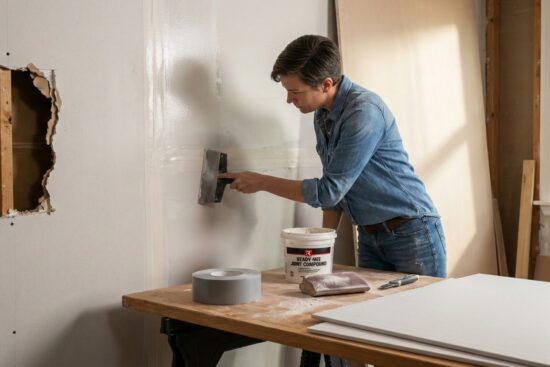
Patch imperfections using appropriate materials. Use spackle for drywall walls and wood filler for trim. For larger cracks, fiberglass mesh tape with joint compound works best.
Fill gaps between walls and trim with paintable caulk. Apply smooth beads and smooth with a wet finger. This creates seamless transitions for a professional appearance.
Lightly sand all patched areas and entire wall surfaces. This creates proper texture for paint adhesion. Remove all dust with a vacuum followed by a damp cloth before applying any paint.
Priming: The Critical Base for a Quality Paint Job
Many people wonder if they can skip the primer step to save time, but this foundational layer often determines your project’s success. While not always needed for recoating similar shades, primer becomes essential in many situations.
New drywall and fresh plaster absolutely require a primer to seal the surface. This prevents uneven absorption and creates a uniform base. Dramatic color changes also benefit greatly from proper priming.
Applying primer when covering dark walls with light colors significantly reduces the number of finish coats needed. This actually saves time and materials in the long run. Tinting your primer close to the final color enhances coverage even further.
Different surfaces demand specific primer types. For walls, use general purpose water-based latex formulas. Bare wood trim needs oil-based primer to fill pores properly.
Clear-coated wood with polyurethane requires shellac-based primer for best adhesion. Remember that oil-based and shellac primers contain VOCs and need good ventilation. Always choose the right product for each material.
Apply your primer using the same techniques as your finish paint. Cut in around edges first, then roll larger wall areas. This creates the smooth, even base your top coats deserve.
Allow the primer to dry completely before applying your first coat of paint. Rushing this step compromises adhesion and can ruin your final results. Patience here pays off with professional-looking durability.
Don’t skip primer on problem areas like stains, repairs, or damaged surfaces. This crucial layer seals imperfections and prevents them from showing through your beautiful new color.
Mastering Cutting-In and Edge Work
Creating sharp, clean lines where walls meet trim and ceilings separates amateur efforts from professional-quality work. This skill requires practice but delivers stunning results that make your entire project look polished.
Techniques for Crisp, Clean Lines
Most people can learn to cut in freehand with patience. Start by loading your angled brush properly—dip bristles about two finger-widths into the paint.
Work slowly along the edge where wall meets trim. Maintain a steady hand and focus on creating a straight line. If you lack molding, draw a pencil guide first.
Professional painter Henrique suggests using a putty knife as a movable guide in tight spaces. Hold the blade firmly against the edge and slide both hands down together.
Freehand Methods Versus Painter’s Tape
Many enthusiasts use tape as insurance against mistakes. However, don’t rely on it completely. Paint can seep under imperfectly adhered tape.
Always choose painter’s tape over masking varieties. The right tape removes cleanly without damaging your finish. Apply it carefully along trim edges and press firmly.
Remember that small imperfections often disappear when viewed from normal distance. Cut in a three-inch band around all edges before rolling main surfaces.
This systematic approach ensures even coverage at corners and creates crisp borders. Your steady hand practice will pay off with beautiful, professional-looking results.
Rolling on the Color with Confidence
Applying paint with a roller transforms large surfaces efficiently, but technique matters more than speed. This phase brings your vision to life as color spreads across your walls. Proper method ensures smooth, professional-looking results that last for years.
Always pour your paint into a separate container rather than dipping tools directly into the can. This prevents contamination and makes application cleaner. Load your brush by dipping bristles about two finger-widths deep to control drips.
Proper Technique and Multiple Coats
For your roller, fill the tray reservoir below the textured ridges. Dip the cover and roll it over the ridges to distribute paint evenly. The roller should be saturated but not dripping.
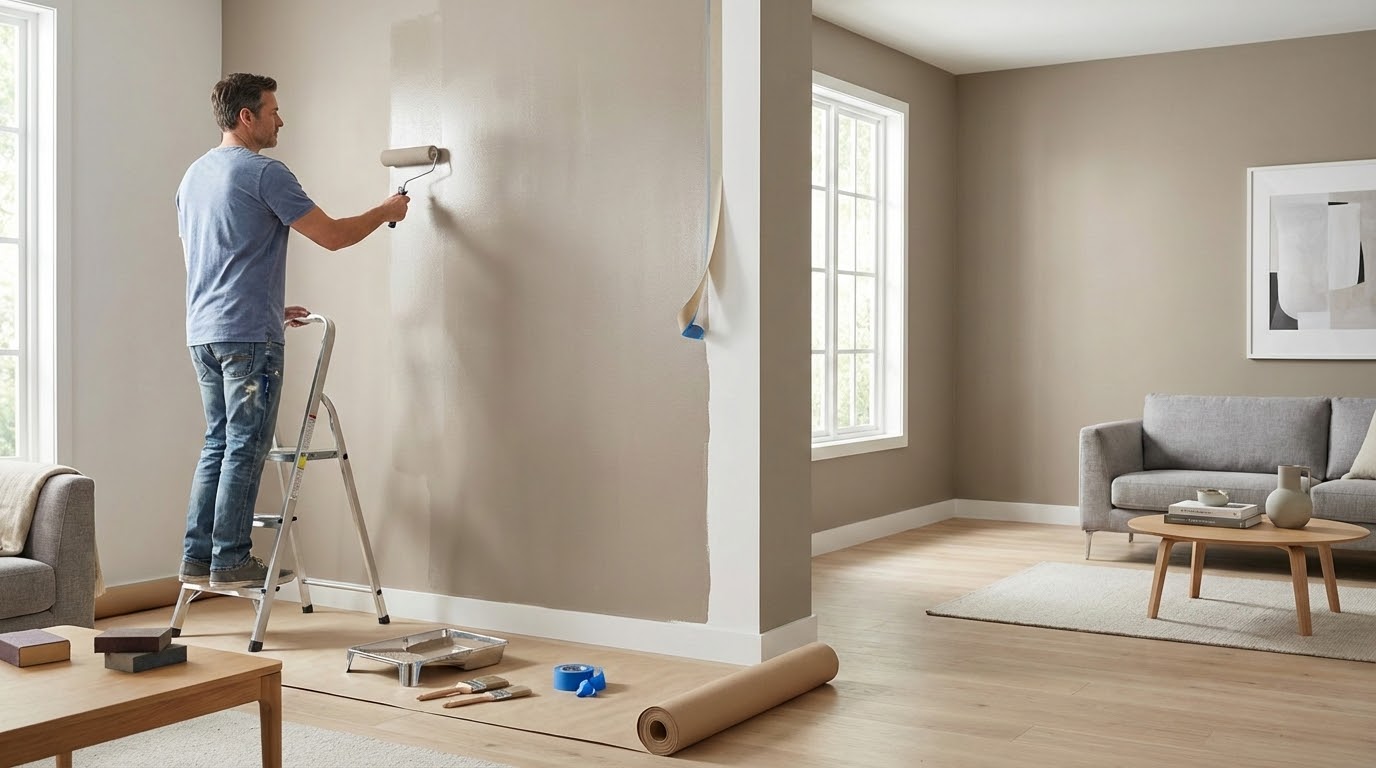
Start near the top where you cut in edges. Place the roller flat against the wall and apply paint in a W pattern. Overlap strokes slightly to fill gaps. Maintain consistent, moderate pressure throughout.
Work in manageable three-foot sections. Complete each area before moving to the next. This maintains a wet edge and prevents visible lap marks. Roll back over brushed edges to blend textures seamlessly.
Allow about 90 minutes drying time between coats. Apply at least two coats for optimal coverage and durability. Use an extension pole for ceilings and high walls to reduce strain.
Multiple thin coats create a superior finish compared to one thick application. Patience during this stage pays off with beautiful, lasting results that transform your space.
Dealing with Common Painting Challenges
Every home refresh faces moments where technique meets reality, creating challenges that need smart solutions. Even with careful preparation, you might encounter issues that test your skills. Knowing how to handle these situations separates frustrating experiences from successful projects.
Troubleshooting Drips and Uneven Coverage
Catch drips while they’re still wet for easy fixes. Use a lightly loaded brush to smooth them back into the surrounding surface. Once drips dry, they become permanent imperfections that ruin your finish.
Fix uneven coverage by applying additional thin coats rather than overloading one application. Heavy layers create texture problems and increase drying time dramatically. Multiple thin coats produce superior results for your paint job.
Dramatic color changes require patience. Covering dark walls with light paint needs several coats for proper results. Trying to rush this process leads to frustration and poor coverage.
Watch for technique issues like pressing too hard with your roller or overloading your brush. These common mistakes contribute to uneven surfaces. Working at a steady pace maintains consistent application.
Maintain stable room conditions during your project. Fluctuating temperature and humidity cause drying issues and surface defects. Consistent environment ensures proper paint flow and adhesion.
Sometimes you need to accept minor imperfections that aren’t visible from normal distance. Obsessing over tiny flaws wastes time and can worsen your results. Know when “good enough” truly is good enough for your space.
Touch up small mistakes after the final coat dries completely. Use a small brush with a light hand to blend repairs into surrounding areas. This approach creates invisible fixes that maintain your beautiful finish.
Clean-Up and Tool Maintenance
Proper cleanup and tool care complete your project and protect your investment. This final step ensures your equipment lasts for future use and preserves your beautiful results.
Wait at least 90 minutes for paint to dry before removing protective materials. Pull painter’s tape off at a 45-degree angle to prevent peeling.
Best Practices for Cleaning Brushes and Rollers
Clean brushes immediately after use for best results. For latex paint, run bristles under warm water with a little dish soap.
Gently work the soap into the bristles with your fingers. Keep water away from the metal ferrule to prevent rust.
For oil-based formulas, use odorless mineral spirits in a well-ventilated area. Swirl the brush thoroughly to dissolve all paint.
Roller covers need careful cleaning too. First, scrape excess paint with a multi-tool. Then rinse under warm water until it runs clear.
Maintaining Your Painting Equipment
Proper drying prevents damage and mildew. Spin brushes between your palms to remove excess water. Lay them flat or hang to dry completely.
Store brushes in their original sleeves to maintain shape. Stand roller covers on end to dry fully before storage.
Quality tools last for years when cared for properly. This makes your initial investment worthwhile over time.
| Tool Type | Latex Paint Cleaning | Oil-Based Paint Cleaning | Drying Method |
|---|---|---|---|
| Brushes | Warm water + dish soap | Odorless mineral spirits | Spin dry, lay flat |
| Roller Covers | Scrape then rinse with water | Paint thinner in tray | Stand on end |
| Paint Trays | Warm water scrub | Mineral spirits wipe | Air dry completely |
Conclusion
Armed with these professional techniques, you’re ready to create stunning results in your home. You now have all the knowledge needed to tackle your refresh project with confidence.
Remember that proper preparation makes up most of a quality finish. Taking your time with each step ensures beautiful, lasting outcomes. Quality tools and materials truly make a difference.
Even if challenges arise, you can handle them using the troubleshooting tips provided. Your patience and attention to detail will pay off beautifully.
The satisfaction of transforming your space with a fresh coat is well worth the effort. Enjoy your newly refreshed room and take pride in your accomplishment!
FAQ
How long should I wait between coats of paint?
Drying times vary by product and room conditions. A good rule is to wait at least 2-4 hours for latex-based paints. Always check the can’s label for the manufacturer’s specific recommendation. The surface should be dry to the touch before applying the next coat.
Is primer really necessary for my walls?
Primer is a critical step for a quality finish. It seals the surface, provides better adhesion for your topcoat, and ensures true color. It’s essential for new drywall, covering stains, or when making a drastic color change. Using a primer can save you time and money on extra color coats.
What’s the best way to get a clean line where the wall meets the trim?
You have two main options. Using a high-quality angled brush for freehand cutting-in takes practice but offers great control. For beginners, painter’s tape like FrogTape can help achieve sharp lines. Press the tape down firmly and remove it at a 45-degree angle before the finish is completely dry.
How do I fix drips or streaks after the paint has dried?
For small drips, let the area dry completely. Then, lightly sand it smooth with fine-grit sandpaper. Wipe away the dust with a damp cloth and apply a thin touch-up coat. For larger issues with uneven coverage, you may need to lightly sand the entire section and roll on a new coat.
What’s the best type of roller cover for smooth walls?
For smooth surfaces like drywall, a roller with a shorter nap (around 1/4 inch to 3/8 inch) works best. It holds less paint, which helps prevent splatter and gives a smoother finish. Look for synthetic covers like polyester or blends, which work well with water-based paints.
How should I clean my brushes and rollers if I plan to use them again the next day?
For a short break, you don’t need a full clean. Wrap your brush or roller tightly in a plastic bag or aluminum foil and place it in the refrigerator. This keeps the bristles or nap from drying out. Just let it warm up to room temperature for about 30 minutes before you start painting again.