Planning a bathroom renovation is one of the most rewarding home improvement projects you can undertake, but understanding the realistic bathroom remodel cost is essential before tearing out the first tile. Depending on whether you want a quick cosmetic update, a full gut renovation, or an expansive primary suite conversion, project expenses can vary dramatically. Knowing where your budget goes helps you avoid costly surprises, make smarter material selections, and hire the right professionals for the job.
At Home Remodel Guidance, we have guided thousands of homeowners through the remodeling process, analyzing project budgets, contractor estimates, and real-world material pricing across the country. In this comprehensive guide, we break down every line item, compare costs by bathroom size and renovation tier, uncover hidden expenses that frequently catch homeowners off guard, and share practical ways to maximize your return on investment.
At a Glance
- Average national cost ranges typically run from $6,000 to $15,000 for cosmetic refreshes, $12,000 to $30,000 for standard midrange remodels, and $35,000 to $70,000 or more for luxury primary suites.
- Labor represents the largest expense, accounting for 45% to 65% of the total project budget due to specialized trade requirements.
- Bathroom size dictates scope, with half-baths costing between $3,000 and $10,000, standard 5×8 guest bathrooms averaging $10,000 to $25,000, and large primary baths reaching $30,000 to $60,000+.
- Hidden costs like subfloor rot and plumbing relocations can add 15% to 25% to initial estimates if not budgeted in advance.
- Keeping your existing layout remains the single most effective way to prevent budget overruns and save thousands on plumbing reconfiguration.
Average Bathroom Remodel Cost by Project Tier
The scope of your renovation dictates your overall investment more than any other single factor. Most bathroom renovations fall into three distinct tiers: basic cosmetic refreshes, midrange complete overhauls, and high-end luxury remodels. Understanding what each tier provides helps align your expectations with your financial plan.
1. Basic Cosmetic Refresh ($3,000 – $9,000)
A cosmetic remodel leaves the existing room layout, plumbing lines, and electrical wiring untouched. The focus is entirely on surface-level improvements that modernize the aesthetic without structural intervention. In this tier, homeowners typically replace the vanity, swap the faucet and showerhead, install a new mirror, update lighting fixtures, and apply fresh coats of moisture-resistant paint. You might also reglaze an existing cast-iron bathtub rather than replacing it, saving substantial labor and disposal costs.
2. Midrange Full Remodel ($12,000 – $30,000)
A midrange remodel is the most common project type for suburban homeowners. This involves gutting the room down to the drywall or studs while generally maintaining the existing plumbing footprint. Upgrades typically include a brand new prefabricated vanity with a quartz or granite countertop, porcelain floor tile, a tiled shower surround with a glass door, a water-efficient comfort-height toilet, updated ventilation, and modern lighting fixtures. Quality fixtures in this range offer excellent durability and aesthetic appeal without designer price markups.
3. High-End / Primary Suite Luxury Remodel ($35,000 – $75,000+)
Luxury renovations completely reimagine the bathroom experience, often expanding square footage by removing adjoining walls or reconfiguring the layout. High-end primary bathrooms feature custom double vanities with premium stone slabs, frameless glass walk-in wet rooms, freestanding soaking tubs, radiant heated flooring, high-end thermostatic shower systems, custom niches, and architectural lighting. This tier demands master plumbers, licensed electricians, and expert tile setters to execute complex custom details.
| Project Tier | Typical Cost Range | Key Inclusions | Average Timeline |
|---|---|---|---|
| Cosmetic Refresh | $3,000 – $9,000 | New vanity, painted walls, updated lighting, new faucet, reglazed tub | 1 – 2 weeks |
| Midrange Remodel | $12,000 – $30,000 | Tear-out, porcelain tile, quartz vanity top, glass shower door, new toilet | 3 – 5 weeks |
| Luxury / Primary Bath | $35,000 – $75,000+ | Layout change, custom double vanity, freestanding tub, heated floors, wet room | 6 – 10 weeks |
Bathroom Remodel Costs by Room Size
Square footage directly affects material quantities, demolition time, and installation labor. While smaller bathrooms require fewer materials like floor tile and wallboard, their tight working quarters can sometimes increase labor complexity per square foot.
Powder Room or Half Bath (20 to 30 Sq. Ft.)
Because a powder room contains only a toilet and a sink without bathing facilities, renovation costs are significantly lower, typically ranging from $3,000 to $10,000. It is an ideal space to experiment with bold wallpaper, designer sconces, or higher-end stone remnants since the small footprint keeps total material costs modest. For inspiration on maximizing compact powder rooms, check out our guide on powder room renovations with maximum impact.
Guest or Hallway Full Bathroom (35 to 50 Sq. Ft.)
The standard 5-foot by 8-foot (40 square feet) layout is the benchmark full bathroom in American homes. It contains a standard vanity, toilet, and combined tub-shower unit. A complete renovation for this size typically costs between $10,000 and $25,000. Sticking to standard sizing for tubs and vanities helps keep pricing toward the lower end of the spectrum.
Large Primary or Master En Suite (100+ Sq. Ft.)
Spacious primary bathrooms frequently measure 100 to 150 square feet or more. With room for separate walk-in showers, soaking tubs, private toilet water closets, and expansive double vanities, these extensive projects range from $30,000 to over $65,000 depending on fixture quality and structural modifications.
Itemized Line-Item Cost Breakdown
Where does the budget actually go? Below is a breakdown showing how typical project funds are distributed across materials, trades, and administrative requirements during a standard full bathroom remodel.
| Expense Category | Percentage of Total Budget | Typical Cost Range (Standard Bath) |
|---|---|---|
| Labor and Installation Trades | 45% – 60% | $6,000 – $16,000 |
| Vanity, Countertop, and Storage | 15% – 20% | $1,500 – $4,500 |
| Tile, Flooring, and Waterproofing | 12% – 18% | $1,200 – $3,800 |
| Plumbing Fixtures (Tub, Toilet, Faucets) | 10% – 15% | $1,000 – $3,200 |
| Electrical, Lighting, and Ventilation | 5% – 8% | $600 – $1,800 |
| Demolition, Disposal, and Dumpster Fees | 4% – 6% | $400 – $1,200 |
| Building Permits and Municipal Inspections | 2% – 4% | $250 – $900 |
For a detailed breakdown of vanity choices and how they impact installation costs, read our companion piece on bathroom vanity selection, style, and installation.
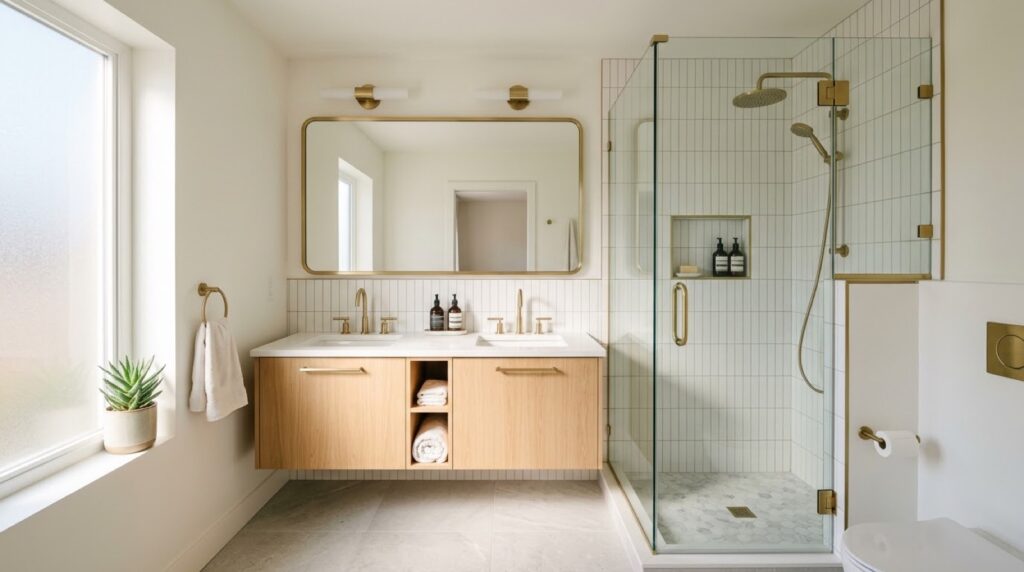
Hidden Costs That Catch Homeowners Off Guard
Bathroom renovations carry a higher risk of unexpected structural and mechanical surprises than almost any other room in the house. Water exposure over years or decades often masks underlying damage until demolition reveals it. Setting aside a dedicated contingency fund of 15% to 20% ensures your project will not stall if you uncover unforeseen complications. We strongly advise reviewing our advice on why you need a contingency budget before signing contractor agreements.
1. Subfloor Water Damage and Structural Rot
Slow leaks around toilet wax rings, failed shower pan liners, or degraded tub caulk can quietly rot plywood subfloors and structural joists over time. Replacing rotted subflooring, sistering damaged joists, or treating minor mold issues typically adds $500 to $2,500 to your overall bathroom remodel cost.
2. Relocating Plumbing Stacks and Drains
Moving a toilet, shower drain, or vanity to another wall sounds simple in concept, but it involves opening subfloors, drilling through floor joists, and rerouting vent stacks through the roof. Moving a single major plumbing fixture can add $1,200 to $3,500 in specialized plumbing labor and framing alterations.
3. Electrical Service Upgrades
Older homes frequently have outdated 15-amp shared circuits that trip when running modern high-draw hair dryers, radiant floor heating, or heated towel racks. Upgrading to a dedicated 20-amp GFCI circuit or adding sub-panel capacity requires a licensed electrician and adds $500 to $1,800.
4. Outdated Exhaust Ventilation
Many older bathrooms either have no exhaust fan or vent directly into the attic, which violates modern building codes and promotes mold growth. Installing a properly ducted, high-efficiency exhaust fan through the exterior wall or roof adds $400 to $1,000.
DIY vs. Hiring a Professional: What to Tackle Safely
Taking on select tasks yourself can trim thousands from your labor bill, but taking on complex mechanical systems can lead to catastrophic leaks, electrical hazards, or failed municipal inspections.
Tasks Homeowners Can Safely DIY
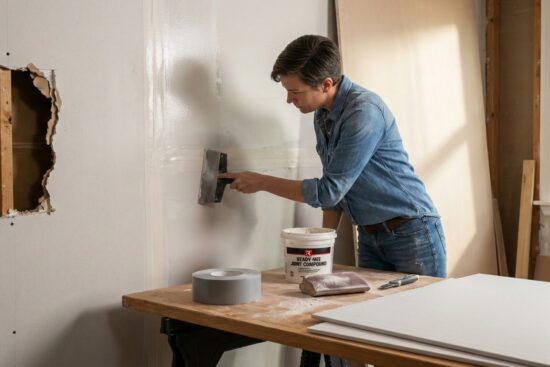
- Demolition and Tear-Out: Removing old vanities, mirrors, baseboards, and non-structural drywall can save $500 to $1,500 in contractor labor. Always turn off main water valves and electrical breakers before starting.
- Painting and Wall Prep: Applying moisture-resistant primer and satin or semi-gloss paint is a weekend DIY task that saves $400 to $900.
- Accessory Installation: Mounting towel bars, toilet paper holders, floating wall shelves, and frameless mirrors requires only basic hand tools and wall anchors.
- Simple Hardware Updates: Swapping cabinet pulls and vanity knobs is straightforward and instantly refreshes the room aesthetic.
When You Must Hire a Licensed Professional
For plumbing rough-ins, electrical wiring, structural changes, and walk-in shower waterproofing, always hire a licensed and insured contractor. A poorly waterproofed shower can cause thousands of dollars in hidden framing rot behind walls, while improper electrical work near water sources creates severe life-safety hazards. Licensed tradespeople pull necessary permits, adhere to current building codes, and provide warranties on their workmanship.
To ensure you choose the best team for your home, review our resource on how to vet and select the right contractor.
Return on Investment: How a Remodel Affects Resale Value
Bathrooms and kitchens remain the top two interior remodeling projects for increasing home marketability and appraised value. Across national housing markets, homeowners typically recoup between 55% and 68% of their total bathroom remodel cost upon resale, depending on neighborhood comparables and the quality of finishes chosen.
Over-improving a bathroom beyond your neighborhood baseline rarely yields a full dollar-for-dollar return. For instance, installing $15,000 in imported marble in an entry-level starter home will not deliver the same resale boost as selecting durable, tasteful porcelain tile with universal appeal. To discover which specific features deliver the highest return, read our comprehensive overview of bathroom upgrades that pay off at resale.
Practical Strategies to Cut Costs Without Sacrificing Style
You do not need an unlimited budget to achieve a stunning, spa-like aesthetic. By making strategic design choices, you can substantially reduce expenses while retaining high-end appeal.
- Preserve the Footprint: Leaving your toilet, shower, and sink in their original locations avoids expensive underground pipe trenching and vent stack reconfiguration.
- Select Prefabricated Vanities with Tops: Buying a complete vanity package that includes an integrated stone countertop, undermount sink, and soft-close cabinet saves up to 50% compared to ordering custom cabinetry and separate stone fabrication.
- Use Accent Tile Strategically: Create a focal point by using expensive mosaic or artisan tile only inside a shower niche or as a vertical feature stripe, while using cost-effective classic subway tile on the surrounding walls.
- Refinish Tubs Instead of Replacing: If you have a solid porcelain-enameled cast-iron or steel bathtub in good structural shape, professional refinishing costs $400 to $800, whereas replacing it involves tear-out, plumbing modifications, and disposal fees that exceed $2,000.
- Choose High-Quality Luxury Vinyl Tile (LVT): Waterproof luxury vinyl plank or tile mimics the texture of natural stone or hardwood at a fraction of the material and installation cost, providing a warm, resilient surface underfoot.
How to Get and Compare Contractor Bids
Securing reliable contractor bids requires a structured approach to guarantee you are comparing apples to apples. Follow these proven steps to protect your budget:
- Define a Detailed Scope of Work: Write down every fixture, tile choice, and layout preference before meeting with builders. When contractors quote against the exact same specifications, bid discrepancies become transparent.
- Request at Least Three Itemized Quotes: Require each contractor to separate labor, material allowances, permit fees, and demolition costs rather than providing a single lump-sum figure.
- Verify Credentials and Insurance: Confirm active state licensing, general liability insurance, and worker’s compensation coverage. Never hire an uninsured contractor to work on wet areas.
- Establish a Milestone Payment Schedule: Never pay more than 10% to 15% upfront upon signing. Tie subsequent progress payments to tangible milestones, such as completion of rough-in plumbing inspection, tile completion, and final punch-list sign-off.
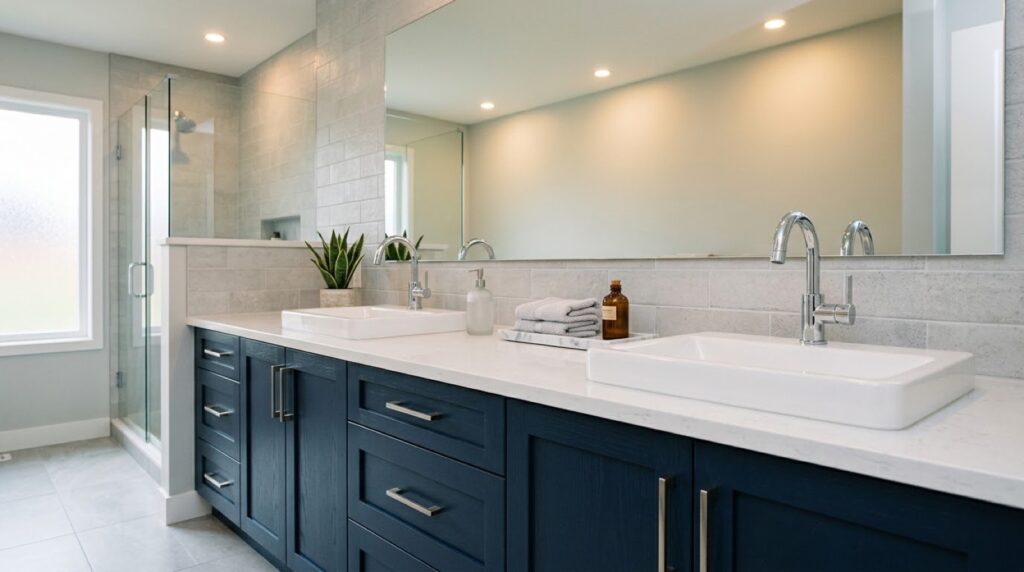
Our Top 10 Picks for High-Value Bathroom Fixtures and Materials
Selecting fixtures that balance durability, water efficiency, and timeless aesthetics ensures your renovation stands up to daily use for decades. Below are our team’s top product recommendations across core bathroom categories:
- Kohler Highline Comfort Height Dual-Flush Toilet: An exceptional balance of powerful gravity flushing, WaterSense certified water conservation, and accessible chair-height seating. Typical price range: $260 – $380.
- Delta Single-Handle Ceramic Disc Bathroom Faucet: Features diamond seal technology to eliminate leak points and provides smooth temperature control with a durable brushed nickel or matte black finish. Typical price range: $110 – $190.
- Schluter Kerdi Waterproofing Shower Pan and Drain Kit: A proven waterproofing system that eliminates leak risks in custom tiled walk-in showers with integrated vapor management. Typical price range: $450 – $650.
- Panasonic WhisperCeiling DC Quiet Bathroom Exhaust Fan: Nearly silent operation with powerful multi-speed moisture removal that prevents mold buildup and protects your drywall. Typical price range: $140 – $220.
- Solid Wood Freestanding Vanity with Engineered Stone Top: An all-in-one vanity solution featuring solid wood dovetailed drawers, soft-close hardware, and pre-drilled quartz top. Typical price range: $650 – $1,400.
- Acrylic Freestanding Ergonomic Soaking Tub: Reinforced double-walled fiberglass acrylic provides exceptional heat retention and serves as a striking sculptural centerpiece for primary baths. Typical price range: $650 – $1,100.
- Moen Pressure-Balancing Shower Valve and Trim Kit: Reliable anti-scald temperature regulation paired with clean modern styling and lifetime cartridge replacement support. Typical price range: $160 – $280.
- Dimmable LED Backlit Anti-Fog Vanity Mirror: Integrated defogging heating pad and adjustable color temperature lighting deliver flattering shadow-free task illumination. Typical price range: $130 – $240.
- Glazed Porcelain Floor and Wall Tile: High-density, slip-resistant porcelain offering virtually zero water absorption and unmatched durability against scratching and moisture. Typical price range: $2.50 – $6.00 per sq. ft.
- Heavy-Duty 4-Piece Bathroom Hardware Set: Matching solid zinc alloy towel bar, hand towel ring, robe hook, and toilet paper holder that unifies your metal finishes. Typical price range: $35 – $65.
Frequently Asked Questions
What is the most expensive part of a bathroom remodel?
Labor and installation trades represent the single largest expense, typically consuming 45% to 60% of your total budget. Among physical materials, custom tile work in walk-in showers and high-end cabinetry with natural stone countertops are the most expensive material line items.
How long does an average bathroom remodel take?
A standard cosmetic refresh usually takes 1 to 2 weeks of active construction. A full tear-out and remodel of a guest bathroom takes roughly 3 to 5 weeks, while a large primary bathroom with custom tile, plumbing adjustments, and glass installation can require 6 to 10 weeks from demolition to completion.
Can I remodel a bathroom for under $10,000?
Yes, you can remodel a bathroom for under $10,000 by keeping the existing layout, choosing a prefabricated vanity, refinishing the tub instead of replacing it, and handling painting and demolition yourself. Focusing on high-impact cosmetic updates allows you to stretch your budget effectively.
How much does it cost to move plumbing in a bathroom?
Moving a toilet, sink, or shower drain typically costs between $1,000 and $3,500 per fixture, depending on whether the home is built on a concrete slab or over an accessible basement or crawl space. Keeping fixtures in their original positions is the best way to control costs.
Do I need a building permit to remodel my bathroom?
Most municipalities require building permits if your remodel involves modifying electrical circuits, moving plumbing supply or drain lines, or altering structural framing. Simple cosmetic upgrades like replacing a faucet, painting walls, or swapping an identical vanity generally do not require permits.
Final Thoughts: Planning for Long-Term Value
A well-executed bathroom remodel enhances your daily quality of life while protecting your home equity. By establishing a realistic budget, securing multiple itemized contractor bids, and reserving a contingency buffer for hidden plumbing or subfloor repairs, you can navigate your renovation smoothly without financial stress. Focus your investment on quality waterproofing, durable fixtures, and timeless tile that will serve your household comfortably for decades to come.