Welcome to your complete resource for crafting the perfect storage space for your collection. This guide walks you through transforming any area of your house into an ideal environment for preserving and maturing your favorite beverages.
Constructing a dedicated storage room involves much more than just installing shelving. It’s about designing a controlled climate that safeguards your investment and improves how your bottles develop over time. Proper conditions make a significant difference in quality.
Whether you’re an experienced collector or just beginning to build your assortment, this information will help you grasp the fundamental aspects of successful design. We break down complex ideas into easy-to-understand steps.
You’ll discover practical tips about insulation, temperature management systems, and aesthetic choices. Our approach ensures your project is both functional and visually appealing. This home improvement can add real value to your property.
Key Takeaways
- Climate control is essential for protecting your collection and enhancing aging
- Proper insulation and vapor barriers prevent moisture damage
- Choose cooling units based on room size and insulation quality
- Design should balance functionality with personal style preferences
- Good planning saves money and prevents costly mistakes
- Professional consultation may be worth the investment for larger projects
Understanding the Importance of a Wine Cellar
Proper environmental control transforms any storage area into an optimal preservation zone. The right conditions protect your investment and ensure each bottle matures correctly.
A dedicated space offers more than just organized shelving. It provides the stable atmosphere your beverages need to develop their full character over time.
Benefits of Proper Wine Storage
Consistent temperature management prevents expansion and contraction that can damage seals. This protection keeps unwanted air from entering bottles.
Humidity control maintains cork integrity, preventing shrinkage that leads to oxidation. Your collection stays fresh and develops as intended.
Light and vibration protection are equally crucial benefits. UV rays can prematurely age contents, while disturbances affect sediment settlement.
Preserving Quality with Consistent Conditions
The ideal environment maintains 50-60°F temperatures with 50-70% humidity levels. These parameters create perfect aging conditions.
Stability is what separates proper storage from basic shelving. Fluctuations compromise quality, while consistency enhances development.
“The difference between good and great preservation lies in maintaining unwavering environmental control year-round.”
| Storage Method | Temperature Stability | Humidity Control | Protection Level |
|---|---|---|---|
| Dedicated Cellar | Excellent | Full-range | Complete |
| Basic Cabinet | Moderate | Limited | Partial |
| Room Temperature | Poor | None | Minimal |
Investing in proper storage means your assortment appreciates in both value and drinking pleasure. Every bottle reaches its potential when opening time arrives.
Planning Your Space and Design
Strategic planning forms the foundation of any successful storage room project. This phase determines how well your collection will be preserved and accessed over time.
Evaluating Your Basement and Alternative Spaces
Your basement offers natural advantages for storage. It typically maintains cooler temperatures and lower light exposure than other areas.
Look for locations away from heat sources like furnaces or laundry equipment. Exterior walls provide better insulation but require moisture inspection first.
Check carefully for any water damage signs before proceeding. Address these issues to protect your investment.
Budgeting and Capacity Considerations
Calculate your current bottle count and plan for growth. A good rule is to allow 25% more space than you currently need.
Budget ranges vary significantly based on your vision. Basic conversions start around $5,000, while luxury designs can exceed $100,000.
Choose durable materials that withstand humid conditions. Cedar works well for racks due to its natural resistance.
Consider whether to include a tasting area in your design. This transforms simple storage into an entertaining space.
Wine Cellar Creation: Climate Control Essentials
Achieving the perfect preservation environment requires mastering two fundamental elements: temperature and humidity control. These factors work together to protect your investment and ensure proper aging.
Maintaining Stable Temperature
Consistency matters more than hitting an exact number. A space held steady at 62°F preserves better than one swinging between 55-65°F.
Fluctuations cause expansion and contraction inside bottles. This can damage seals and allow air infiltration.
Most collections thrive between 50-60°F. Active cooling systems provide reliable control regardless of external conditions.
Humidity Management Techniques
Proper moisture levels keep corks from drying out. Ideal humidity ranges from 50-70%.
This prevents shrinkage that leads to oxidation. Your beverages stay fresh and develop as intended.
Good air circulation prevents mold growth. It also ensures consistent conditions throughout the entire space.
| Cooling System | Temperature Control | Humidity Management | Best For | Maintenance |
|---|---|---|---|---|
| Passive | Natural stability | Environment-dependent | Cool basements | Minimal |
| Active | Precise regulation | Full control | All climates | Regular |
Monitoring tools should track both parameters continuously. This lets you catch issues before they affect your valuable assortment.
Sealing, Insulation, and Material Selection
The structural integrity of your storage space depends heavily on material selection and moisture control. This critical phase creates the protective shell that maintains your ideal environment.
Proper insulation and sealing prevent external temperature fluctuations from affecting your collection. They also stop moisture infiltration that can damage both your space and your investment.
Floor and Wall Preparation
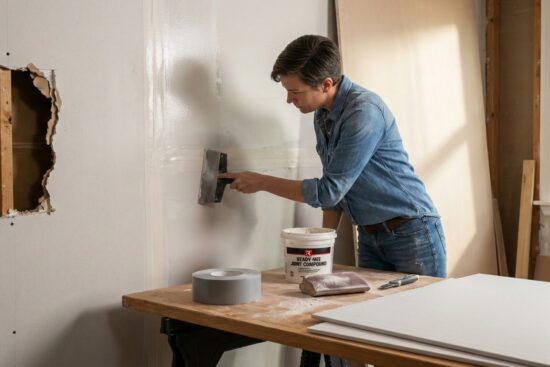
Begin with floor preparation, especially in basement settings. Concrete floors are porous and require sealing to block moisture migration.
For walls, use 2×6 studs for interior construction. This provides depth for adequate insulation. Exterior walls need furring strips and blueboard insulation.
Don’t forget your ceiling. Proper overhead insulation completes the thermal envelope.
Choosing Durable Finishes and Vapor Barriers
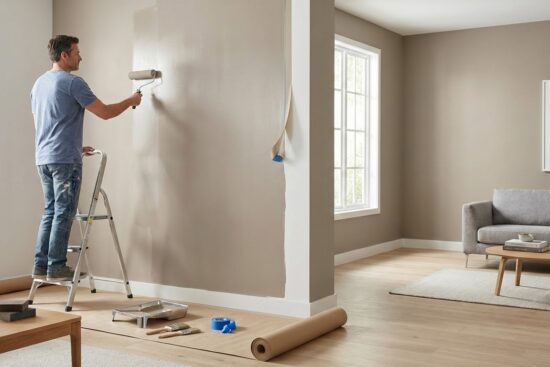
Vapor barriers are essential for preventing mold and rot. Install 6-mil plastic sheeting on the warm side of walls.
Select materials designed for humid conditions. Green board offers superior moisture resistance compared to standard drywall.
This careful process ensures long-term stability. Each step contributes to maintaining perfect conditions.
| Installation Area | Recommended Materials | Insulation Value | Special Considerations |
|---|---|---|---|
| Walls | 2×6 studs, R-19 batt | R-19 minimum | Vapor barrier on warm side |
| Ceiling | R-30 insulation | R-30 (2×10 joists) | Higher R-value for better control |
| Floor | Sealed concrete or tile | N/A | Grout sealing required for tile |
| Vapor Barrier | 6-mil plastic sheeting | N/A | Secure with duct tape |
Installing Cooling Systems and Monitoring Tools
Your cooling system acts as the guardian of your collection’s environment. This equipment works continuously to maintain perfect conditions for aging.
Choosing the right unit requires careful planning. Proper sizing ensures efficient operation and prevents costly problems.
Mini-Split AC Installation Tips
Mini-split systems offer excellent temperature control without complex ductwork. These units mount conveniently on exterior walls.
Professional installation ensures proper refrigerant handling and electrical connections. Experts position the condenser for optimal performance and minimal noise.
Correct sizing prevents two common issues. Undersized units struggle constantly, while oversized models create harmful temperature swings.
“The difference between adequate and exceptional climate control lies in precise system sizing and professional installation.”
Humidity management often needs additional equipment. Dry climates may require humidifiers, while cold regions benefit from dehumidifiers.
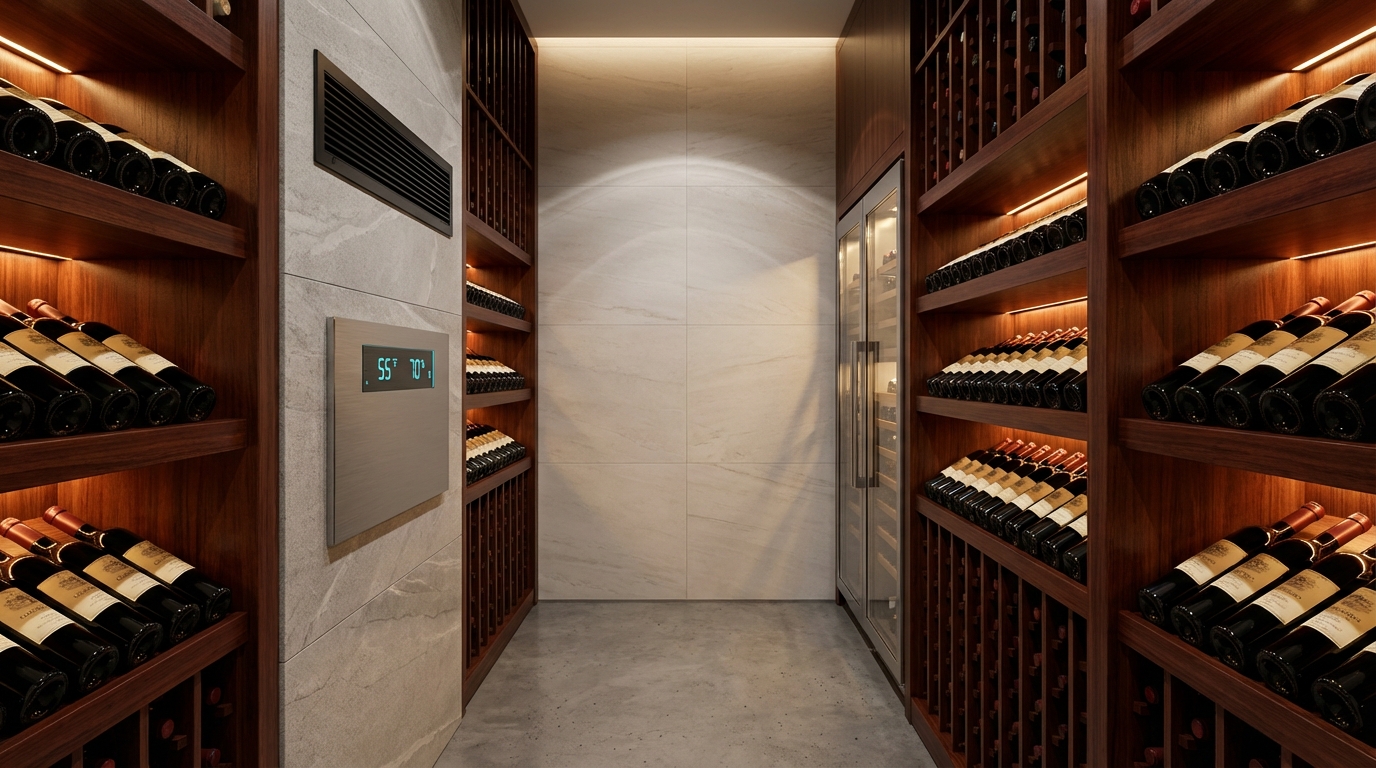
Modern monitoring tools provide real-time data access. WiFi-enabled gauges let you check conditions remotely through smartphone apps.
| Monitoring Tool | Data Tracked | Connectivity | Alert System |
|---|---|---|---|
| Basic Hygrometer | Humidity only | None | Visual reading |
| Digital Thermometer | Temperature only | None | Visual reading |
| WiFi Sensor | Temp & Humidity | Smartphone app | Push notifications |
| Professional System | Multiple parameters | Computer dashboard | Email/SMS alerts |
Regular maintenance keeps your cooling system running smoothly. Schedule filter changes and coil cleaning for peak performance.
Consider backup power solutions for protection during outages. Even brief system failures can damage valuable collections.
Designing Wine Storage: Racks, Lighting, and Tasting Areas
Thoughtful design elements transform basic storage into an elegant showcase for your prized bottles. This phase blends practicality with personal style to create a space you’ll enjoy visiting.
Optimal Wine Rack Configuration
Proper wine racks position bottles horizontally to keep corks moist. This prevents shrinkage and oxidation. Choose materials like cedar or redwood for natural durability.
Standard spacing of 3.5 inches fits most bottles. However, wider Champagne and Burgundy bottles may need special accommodations. Always anchor racks securely with L-shaped brackets for safety.
Stackable pine options offer affordable capacity for 168-192 bottles. They maximize your storage space efficiently. Your wine cellar design guide provides detailed configuration advice.
Effective Lighting and Ambiance Solutions
Lighting must balance visibility with protection. Avoid fluorescent bulbs that emit harmful UV rays. LED or incandescent options provide safe illumination.
Install dimmer switches for adjustable ambiance. Motion sensors ensure lights don’t stay on accidentally. This protects your collection from extended light exposure.
Cellar doors maintain your controlled environment. Choose exterior-grade doors at least 1¾ inches thick. Glass doors need double-pane construction for proper insulation.
If space allows, add a small tasting area. This transforms your storage room into an entertaining space. Keep it separate from direct bottle storage for optimal preservation.
DIY vs. Professional Installation Considerations
Homeowners face a critical choice when planning their preservation room: tackle construction themselves or enlist professional help. This decision impacts your budget, timeline, and final results significantly.
Assessing Skill Levels and Required Tools
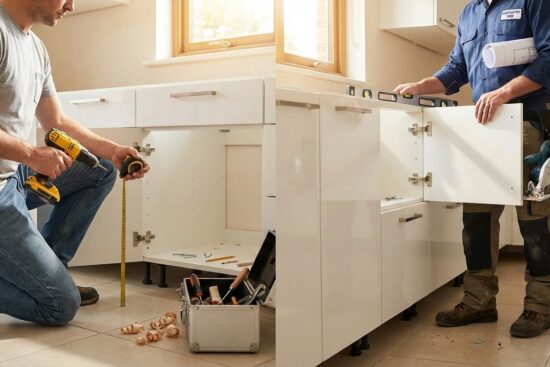
Many people successfully handle basic construction steps like framing and insulation. These tasks require standard tools most homeowners already own.
However, specialized work like cooling system installation demands professional expertise. Licensed technicians ensure safety and code compliance for expensive equipment.
The DIY process takes considerable time. What professionals finish in days might take months for hobbyists. Rushed work often leads to costly mistakes.
Weighing Cost and Long-Term Maintenance
Initial savings from doing it yourself can be appealing. But improper installation creates ongoing problems that waste energy and money.
Correctly installed cooling units last 10-15 years. Proper vapor barriers prevent mold issues common in DIY projects.
Consider a hybrid approach for your home project. Handle general construction while hiring experts for technical systems. This balances cost savings with quality assurance.
Companies like WineCellars.com offer modular solutions. These provide professional results without custom carpentry skills.
Conclusion
Your journey to building the ideal environment for your prized bottles culminates in this final piece of advice. A well-planned wine cellar represents more than just storage—it’s an investment that protects your collection while enhancing your home’s value.
This comprehensive guide has walked you through every critical aspect, from climate control fundamentals to practical installation details. The core principle remains constant: consistent conditions matter most for proper aging.
Whether you choose DIY or professional help, focus on creating a stable space that controls temperature and humidity effectively. Your bottles deserve this protection to develop their full character over time.
The investment you make today pays dividends through preserved quality and personal satisfaction. Start with a well-designed space that can grow with your collection.
You now have the knowledge to transform your vision into reality. Create a storage solution that safeguards your investment and becomes a cherished part of your home for years to come.