Welcome to your go-to guide for understanding how long your home improvement project might actually take. Many homeowners start with high hopes but get frustrated when things don’t move as quickly as expected.
Understanding your project’s schedule isn’t just about counting days on a calendar. It’s about recognizing all the moving pieces that influence the process. From initial planning to the final walkthrough, many elements can speed things up or cause delays.
Whether you’re tackling a simple bathroom refresh or a complete home overhaul, being aware of these influences helps you plan better. You’ll communicate more effectively with your contractor and avoid the stress that comes with unexpected setbacks.
This friendly guide will walk you through the key elements that impact project duration. You’ll learn about different remodeling phases and get practical tips for keeping everything on track. Our goal is to help you transform your house into your dream space while maintaining your sanity throughout the journey.
While home improvement schedules can seem overwhelming at first, breaking down the process makes everything more manageable. You’ll gain confidence and feel more in control of your remodeling experience.
Key Takeaways
- Many variables influence how long home improvements take
- Proper planning from the start sets realistic expectations
- Good communication with contractors prevents misunderstandings
- Different project phases each have their own timing considerations
- Being prepared for potential delays reduces stress
- Understanding the process helps you stay in control
- Breaking down complex projects makes them more manageable
Introduction to Renovation Timelines
Successful home transformations begin with acknowledging that time management is as crucial as budget planning. Understanding how long each phase takes helps you maintain control over your living space during improvements.
Why Timelines Matter in Home Renovations
Clear schedule expectations let you plan around your remodeling project effectively. You can arrange temporary living spaces or adjust daily routines with confidence.
Realistic timeframes prevent frustration when work extends beyond initial estimates. This approach reduces stress and keeps your relationship with contractors positive throughout the journey.
An Overview of the Renovation Process
Every home improvement follows a similar path from vision to completion. The process starts with design planning and moves through construction phases.
Preparation work like permit approvals and material selection forms a significant part of the overall schedule. Even simple kitchen updates require coordination between designers, contractors, and suppliers.
Understanding this workflow helps homeowners make informed decisions at each stage. You’ll communicate better with your team and keep projects moving forward smoothly.
Essential “Renovation Timeline Factors” for a Successful Project
Several critical components determine how smoothly your house transformation will progress from start to finish. Understanding these elements helps you set realistic expectations and maintain control over your living space during improvements.
Project Scope and Complexity
The size and complexity of your undertaking dramatically influence the overall schedule. Simple cosmetic updates like painting or fixture replacement might take just a few weeks. More extensive work involving structural changes or electrical systems can extend your project by several months.
Changing your plan after work begins often causes significant delays. Careful upfront planning and sticking to your original vision keeps everything on track.
| Project Type | Complexity Level | Typical Duration |
|---|---|---|
| Cosmetic Refresh | Low | 2-4 weeks |
| Kitchen/Bathroom Update | Medium | 1-2 months |
| Room Addition | High | 3-6 months |
| Whole-House Transformation | Very High | 6+ months |
Permits, Inspections, and Contractor Availability
The permitting process varies significantly by location and project complexity. Homeowners often underestimate how long approvals take. Waiting 2 weeks to 3 months for permits is completely normal.
Professional contractors understand that proper permits and regulations prevent costly mistakes. The best professionals book months in advance, especially during peak season.
“Planning for approvals and contractor schedules from the beginning prevents frustration and keeps your project moving forward smoothly.”
Starting your contractor search early with a 3-4 month lead time is essential. Understanding these home renovation timelines helps create realistic expectations from day one.
Phases of a Home Renovation
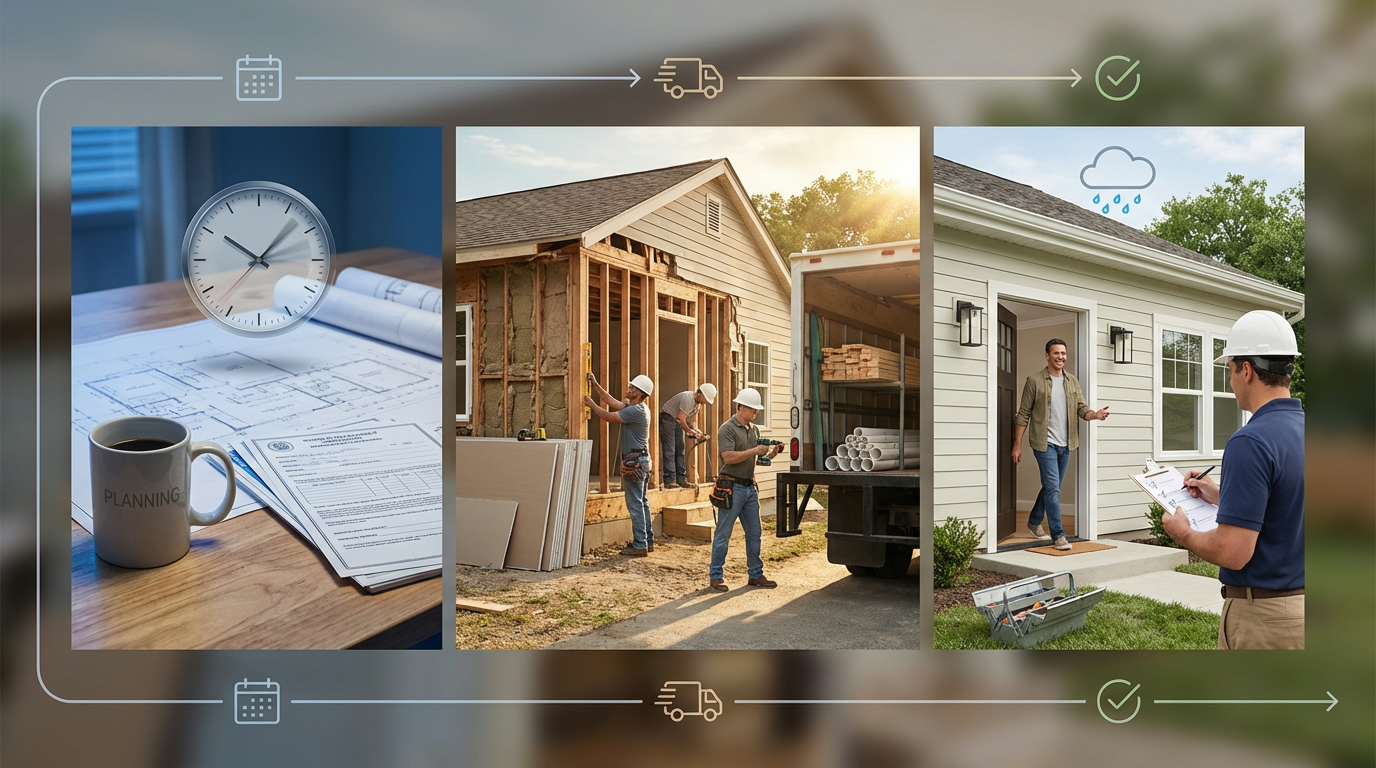
Understanding the sequential nature of home improvements makes the process less overwhelming. Each project moves through four main stages that build upon one another.
Proper planning prevents problems down the line. Knowing what comes next helps you stay organized and confident.
Planning, Design, and Pre-Construction
The initial phase sets your project’s foundation. This planning stage involves defining your vision and creating detailed drawings.
Material selection happens during design development. You’ll choose everything from flooring to plumbing fixtures. Custom kitchen items may need extra time.
Pre-construction includes final preparations. Contractors conduct site surveys and obtain necessary permits before work begins.
Construction and Final Touches
The construction phase brings your design to life. Structural work establishes the framework for your remodel.
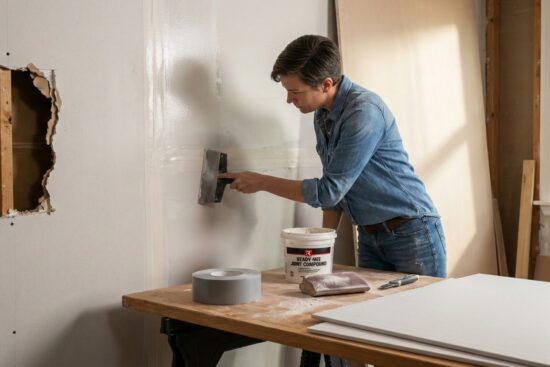
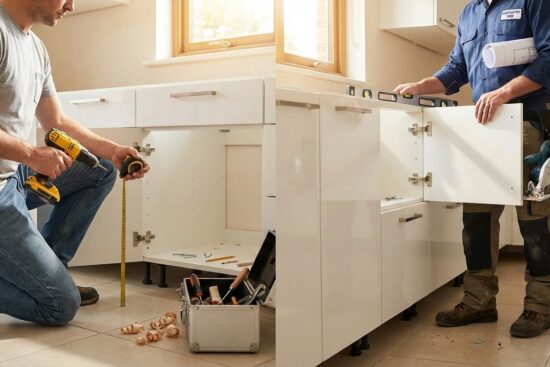
Professional installation of electrical and plumbing systems follows. Then comes drywall, flooring, and cabinet installation.
Final touches include painting and fixture placement. The last week involves inspections and cleanup before you enjoy your transformed space.
| Project Phase | Key Activities | Typical Duration |
|---|---|---|
| Planning & Design | Inspiration, budgeting, drawings | 4-10 weeks |
| Pre-Construction | Permits, surveys, preparations | 3-12 weeks |
| Construction | Framing, systems, finishes | 8-20 weeks |
| Final Stage | Painting, inspections, cleanup | 2 weeks |
Managing Delays and Unexpected Issues
Home improvement journeys rarely follow a perfectly straight path, with detours and delays being common companions. Even with perfect planning, unexpected issues arise during nearly every home remodel. Understanding how to manage these challenges helps you stay calm and flexible.
Supply Chain and Material Sourcing Challenges
Material sourcing has become increasingly complex in recent years. When ordering custom cabinetry, specialty flooring, or unique kitchen fixtures, account for shipping timelines that can add weeks to your project.
Backorders have become frequent due to supply chain issues. Being prepared for delayed materials helps you build appropriate buffers into your schedule. Consider readily available alternatives when time is critical.
Procuring materials locally cuts down on wait time and reduces costs. This approach also lets you inspect plumbing fixtures and flooring samples in person before committing.
Weather and Structural Surprises
Weather conditions significantly impact construction timelines, especially for exterior work. Extreme heat waves or storms can halt roofing or painting projects for safety reasons.
While summer is traditionally ideal for improvements, each season brings weather challenges. These delays sometimes require flexibility and contingency planning.
Structural surprises often emerge once demolition begins. Discovering rotting wood, black mold, or outdated electrical systems must be addressed before work can proceed. These hidden issues may require additional permits and specialized attention.
Experienced contractors anticipate these types of delays and will work with you to find solutions. Building contingency buffers into both your schedule and budget ensures your project stays on track despite unexpected challenges.
Planning and Budgeting for Your Renovation Project
Creating a solid financial plan and schedule forms the backbone of any successful home transformation. Smart homeowners understand that thorough preparation prevents problems during the construction phase.
Setting a Realistic Budget and Timeline
Estimating costs for your home project requires careful consideration of all expenses. Your budget should include design fees, materials, labor, and permitting costs. Always set aside 10-20% for unexpected issues.
The planning phase alone can span one to six months depending on your project scope. Working with designers for two to eight weeks creates clear plans that everyone follows.
Material selection typically takes two to six weeks. Choosing readily available kitchen fixtures speeds up your schedule. Custom pieces require additional lead time that must be factored in.
| Budget Category | Typical Percentage | Key Considerations |
|---|---|---|
| Labor Costs | 30-40% | Contractor rates, specialty work |
| Materials | 25-35% | Quality, availability, custom orders |
| Design & Planning | 10-15% | Architect fees, permit applications |
| Contingency Fund | 10-20% | Unexpected issues, price increases |
Understanding that timelines are estimates helps set realistic expectations. Your actual project duration depends on unique circumstances like local permitting processes.
View planning not as boring paperwork but as an investment in your peace of mind. This approach leads to better outcomes and less stress throughout your home improvement journey.
Tips for a Smooth and Efficient Renovation Process
The secret to a stress-free remodeling experience lies in mastering the art of collaboration with your construction team. When everyone works together seamlessly, the entire process flows more smoothly from start to finish.
Effective Communication with Contractors
Clear communication with your contractor prevents misunderstandings that can delay work. Respond promptly to emails and attend meetings prepared. This keeps your project on track.
Professional contractors appreciate homeowners who make decisive choices early. Finalize your design preferences before construction begins. This includes kitchen layouts, flooring materials, and plumbing fixtures.
“Successful projects happen when homeowners and contractors communicate openly and respect each other’s expertise.”
| Communication Method | Frequency | Effectiveness |
|---|---|---|
| Daily Site Meetings | Daily | High |
| Email Updates | Weekly | Medium |
| Text Messages | As Needed | Quick Questions |
| Formal Progress Reports | Bi-weekly | Documentation |
Staying On Track with Scheduling and Approvals
Avoid making changes once installation begins. Even small adjustments can push your completion date back by weeks. For comprehensive guidance, explore our ultimate guide to house improvement.
Ensure your contractors have reliable access to your house. Remove personal items from work areas before painting or other tasks begin. This prevents unnecessary delays.
Making on-time payments according to your contract keeps the work flowing smoothly. Your active participation helps maintain realistic timelines throughout the entire process.
Conclusion
The ultimate reward for your patience during the remodeling process is a home tailored to your dreams. Understanding how each phase unfolds puts you in control of your home transformation journey.
You now have the knowledge to approach your project with confidence. Making timely decisions and maintaining clear communication keeps everything moving smoothly toward completion.
While remodeling temporarily disrupts daily life, the payoff is absolutely worth it. You’ll create a space where memories are made for years to come.
Trust your team and the process. Your investment in planning and patience will result in a beautiful home that perfectly reflects your vision and enhances your quality of life.