Remodeling your home doesn’t have to cost a fortune. With careful planning and a little creative thinking, you can refresh each room—making it more functional and stylish without overspending. Whether you want to update your kitchen, bathroom, or living room, these affordable ideas will help you get the most impact for your money.
At a Glance
- Kitchen: Paint cabinets, swap hardware, add a tile backsplash, install open shelving, or replace lighting fixtures for an instant upgrade.
- Bathroom: Refresh caulking and grout, update fixtures, repaint walls, or use peel-and-stick tiles for a fresh look.
- Living Room: Rearrange furniture, add an area rug, repaint walls, or create a gallery wall to make the space your own.
- Bedroom: Paint an accent wall, update bedding, add floating shelves, or install a closet organizer.
- DIY-Friendly: Tiling, painting, cabinet refacing, and lighting upgrades give the best mix of savings and impact.
Why Budget-Friendly Remodeling Makes Sense
A 2025 report from Remodeling Magazine found that homeowners who focus on high-return, low-cost updates can recover up to 70% of their spending when they sell. That’s a much better return than major renovations, which often cost $30,000 or more. The trick is choosing projects that improve both function and appearance without a full renovation.
A fresh coat of paint in a neutral shade like Agreeable Gray by Sherwin-Williams can transform a room for under $100. Swapping old cabinet hardware for new pulls can give kitchen cabinets a modern look for less than $50. These small changes add up, making your home feel new without a big price tag.
Before starting any project, take stock of what’s already working in your home. Ask yourself: Which rooms feel outdated or inefficient? Start with the space that matters most to your daily life—a kitchen that’s hard to cook in, a bathroom that’s too dim, or a living room that doesn’t flow well. Focusing on your biggest needs ensures your budget goes further.
How to Plan Your Remodel on a Budget
Good planning is the foundation of any successful—and affordable—home remodel. Begin by setting a realistic budget based on your priorities. A common guideline is to spend 10–20% of your home’s value on upgrades each year, but adjust based on your goals. If you’re preparing to sell, focus on projects with the highest resale value, like kitchen and bathroom updates. If you plan to stay long-term, prioritize comfort and function, such as storage solutions or aging-in-place improvements.
Next, create a timeline. Breaking your remodel into phases prevents overwhelm and lets you spread costs over time. For example, paint and update lighting in one season, then move on to flooring and cabinetry later. This approach gives you time to research materials, compare prices, and watch for sales like holiday discounts at home improvement stores.
Set aside 10–15% of your budget for surprises. Older homes often hide issues, from outdated wiring to water damage behind walls. Having a buffer means you won’t have to compromise on quality mid-project.
Essential Tools for DIY Remodels
Before you start, gather the right tools. A solid DIY toolkit includes a cordless drill, level, stud finder, putty knife, and painter’s tape. For bigger projects like tiling or cabinetry, a tile cutter or circular saw can save time. Investing in quality tools upfront prevents mistakes and makes the process smoother.
Where to Splurge vs. Save
Knowing where to cut costs—and where to invest—helps you stay on budget. For example, save on:
- Paint: Choose mid-range brands like Behr or Glidden instead of premium paints.
- Lighting: Start with basic fixtures from big-box stores, then upgrade shades or bulbs later.
- Flooring: Luxury vinyl plank (LVP) mimics hardwood at a much lower cost.
- Hardware: Replace old knobs and pulls with modern options from IKEA or Amazon.
Splurge on:
- Appliances: Energy-efficient models save on utility bills and add resale value.
- Plumbing Fixtures: High-quality faucets and showerheads improve both look and function.
- Windows: Energy-efficient models lower heating and cooling costs over time.
- Insulation: Better insulation increases comfort and cuts utility bills for years.
Kitchen Remodel Ideas That Won’t Break the Bank
Paint and Refresh Cabinets
Cabinets make up 30–40% of a kitchen’s appearance, so updating them makes a big difference. Instead of replacing cabinets, consider painting them. Use a high-quality primer like Kilz and a satin or semi-gloss paint for durability. Swap old hardware for sleek pulls or knobs in brushed nickel or matte black.
Tip: Remove doors and drawers before painting to ensure even coverage. Lightly sand surfaces first to help the paint stick better.
Add a Tile Backsplash
A backsplash protects walls and adds personality to your kitchen. Peel-and-stick tiles cost $5–$15 per square foot, while ceramic or glass tiles run $20–$50. For a more permanent solution, ceramic tiles average $7–$15 per square foot installed, but DIY installation can cut costs by 50%.
Popular backsplash materials include:
- Subway Tile: Classic and timeless, often in clean white or neutral tones.
- Hexagon Tile: Offers geometric interest in colors like sage green or terracotta.
- Beadboard: Paints to match cabinets for a cottage-core look.
- Stainless Steel: Industrial style that’s easy to clean.
Use a tile spacer to keep lines even, and apply thinset with a notched trowel. Seal grout to prevent stains.
Upgrade Lighting for Ambiance and Function
Good lighting sets the mood in a kitchen. Replace a single overhead fixture with a layered approach: pendant lights over an island, under-cabinet LED strips, and a dimmable ceiling fixture. This combination costs $200–$500 but makes the space feel larger and more welcoming.
Tip: Choose LED bulbs with a color temperature of 2700K–3000K for a warm, inviting glow. Avoid harsh white or cool tones, which can feel sterile.
Open Shelving for Storage and Style
Removing upper cabinet doors—or replacing them with open shelves—creates visual space and encourages organization. Display everyday dishes, cookbooks, or decorative items to add personality. Use brackets from hardware stores like Lowe’s or Home Depot, and pair with wooden brackets for a rustic look.
Keep shelves tidy with bins or baskets to hide clutter. Paint shelves and brackets the same color as your walls for a cohesive look.
Refresh Countertops on a Budget
Solid surface countertops cost $40–$100 per square foot, but high-pressure laminate offers a similar look for under $50. Brands like Wilsonart and Formica have realistic wood, stone, and concrete patterns.
For a DIY option, consider peel-and-stick countertop film. It’s easy to apply and removes without residue, making it ideal for renters. Clean and dry surfaces thoroughly before applying.
Bathroom Remodel Ideas to Create a Spa-Like Retreat
Update Fixtures for Instant Impact
Swapping outdated faucets, showerheads, and drawer pulls can make a bathroom feel brand new. Look for WaterSense-certified fixtures to save on water bills. For example, a WaterSense showerhead uses 20% less water than standard models without sacrificing pressure.
Tip: Match finishes across fixtures (e.g., all brushed nickel or matte black) for a cohesive look. Affordable options are available at big-box stores like Lowe’s and Home Depot from brands like Moen and Delta.
Refresh Caulking and Grout
Over time, caulking around tubs, sinks, and showers yellows or cracks, while grout stains. A fresh application costs under $20 and instantly modernizes the space. Use a caulk removal tool to clean old caulk before applying new.
For grout, scrub with a baking soda paste or use a grout pen to fill in discolored lines. Seal grout annually to prevent future stains.
Peel-and-Stick Tile for Walls and Floors
Peel-and-stick tiles are a game-changer for renters or budget-conscious homeowners. They cost $2–$5 per square foot and install in under an hour. Brands like Smart Tiles and Peel & Stick Tile offer waterproof options for bathrooms.
Tip: Smooth surfaces with painter’s tape before applying to ensure adhesion. Avoid using on textured walls or floors.
For a more permanent solution, ceramic tiles average $7–$15 per square foot. DIY tiling is doable with the right tools, but consider hiring a pro for tricky areas like shower floors.
Add a Floating Vanity for Storage and Style
Wall-mounted vanities create the illusion of space while adding storage. Look for units under $300 at IKEA, Wayfair, or local home stores. Pair with a vessel sink for a modern touch, or choose an undermount sink for easy cleaning.
Tip: Anchor the vanity to wall studs for stability. Use heavy-duty brackets if the vanity isn’t wall-mounted.
Upgrade Bathroom Lighting for Clarity and Comfort
Bathroom lighting should be bright but flattering. Replace a single fixture with a vanity light bar or sconces on either side of the mirror. This eliminates shadows and makes grooming easier. Choose LED bulbs with a color rendering index (CRI) of 90+ for accurate color.
Tip: Avoid overhead lighting in bathrooms—it casts unflattering shadows. Instead, layer ambient, task, and accent lighting.
Living Room Redesign Tips to Refresh the Heart of Your Home
Rearrange Furniture for Better Flow
Before buying new furniture, experiment with layouts. Arrange seating to face a fireplace, TV, or large window. In open-concept spaces, define zones with rugs or furniture placement. For example, a sectional paired with an ottoman can separate a living room from a dining area.
Tip: Leave at least 3 feet of walking space between furniture pieces for a balanced look and easy traffic flow.
Add an Area Rug to Define the Space
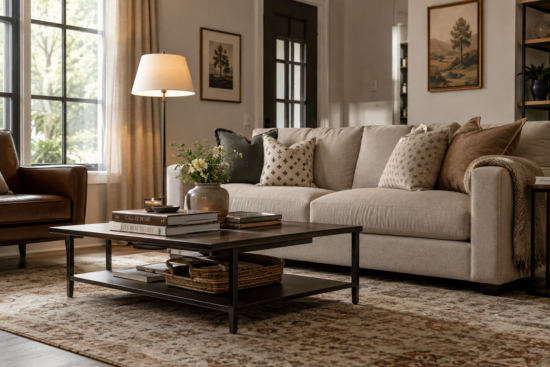
Rugs anchor a living room and add warmth. Choose a size that fits under key furniture pieces—ideally, the front legs of sofas and chairs should sit on the rug. Materials like wool or polypropylene are durable and easy to clean.
For budget-friendly options, check sales at Wayfair or Rugs USA. A 5’x8’ rug typically costs $100–$300.
Create a Gallery Wall for Personality
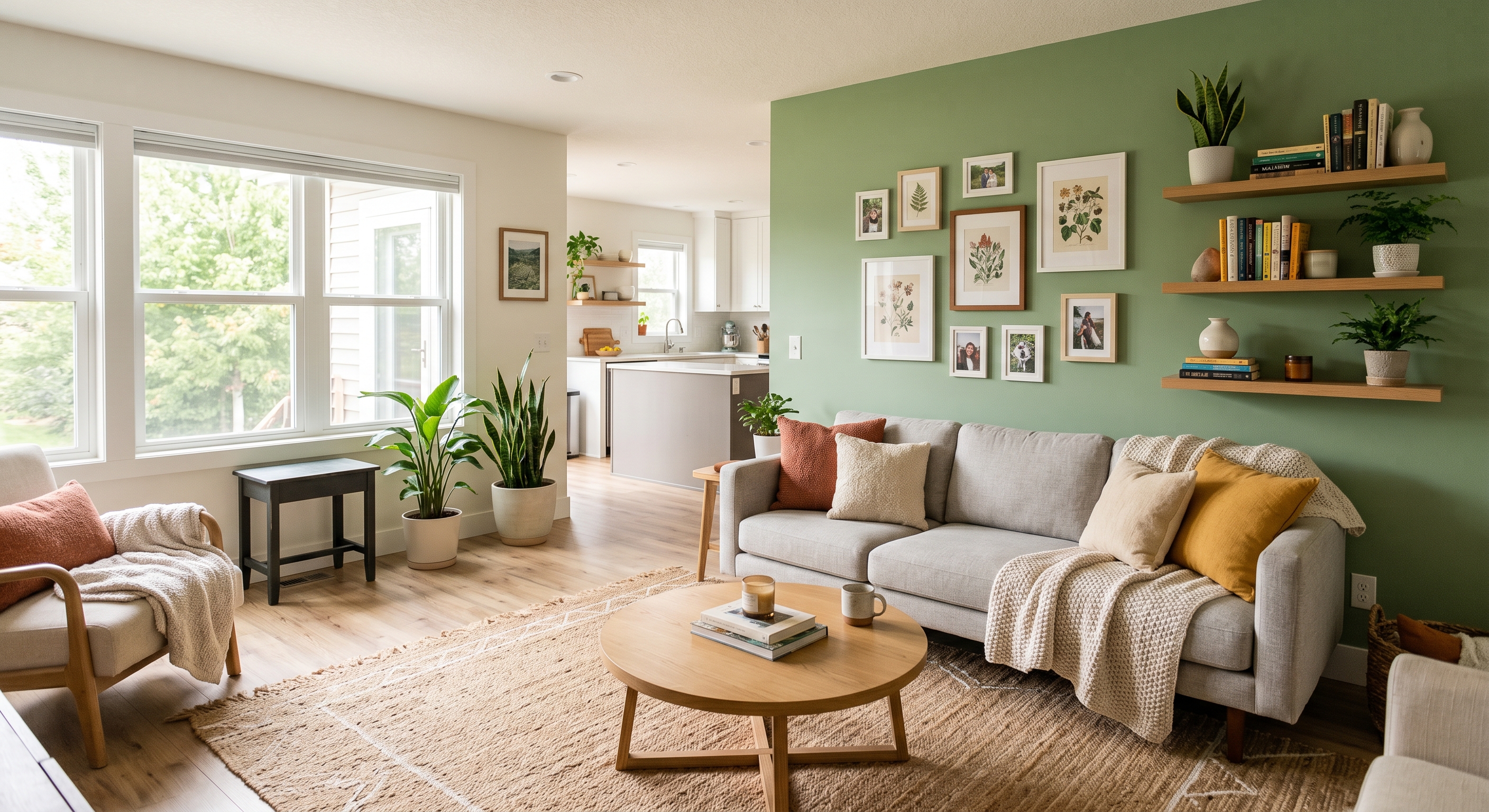
Gallery walls add character without a major investment. Mix frames in different sizes and styles—black-and-white photos, artwork, or prints—for an eclectic look. Use Command hooks to hang frames without damaging walls.
Tip: Keep the arrangement balanced by using the grid method. Lay frames on the floor first to map out spacing, then transfer to the wall.
Repaint Walls for a Fresh Look
Paint is one of the most cost-effective ways to transform a room. Light, neutral colors like Sherwin-Williams Alabaster or Benjamin Moore Chantilly Lace make spaces feel larger and brighter. For an accent wall, try a bold hue like Farrow & Ball Hague Blue.
Tip: Use a high-quality roller and cutting-in brush for a smooth finish. A gallon of paint covers 350–400 square feet, so measure walls carefully to avoid waste.
Update Window Treatments
Swap heavy drapes for Roman shades or sheer curtains to let in natural light. Cellular shades are energy-efficient and cost $50–$150. For a high-end look, layer sheer panels with heavier drapes on a double rod.
Tip: Hang curtains 6–12 inches above the window frame and extend them 8–10 inches wider than the frame to make windows appear larger.
Affordable Home Improvement Projects for Every Room
Entryway: Add Storage and Style
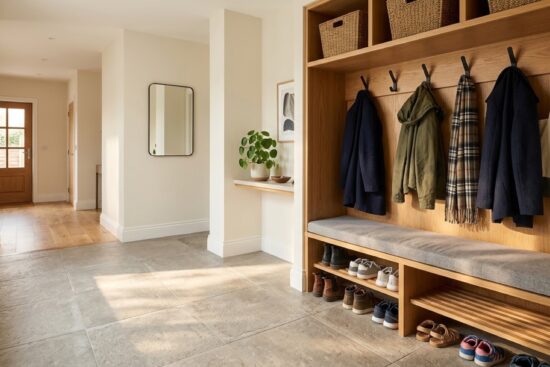
Entryways often become clutter magnets. Install a wall-mounted coat rack, a shoe bench with storage, or a hall tree for hanging bags and coats. A mirror with a hook rack amplifies light and creates a functional focal point.
For a DIY option, repurpose an old dresser into a bench by adding a cushion top and painting the exterior. Total cost: under $50.
Bedroom: Maximize Closet Space
A well-organized closet can feel like a luxury. Install shelving, hanging rods, and drawers to double storage. For small closets, use over-the-door organizers or hanging shoe racks.
Tip: Paint the interior of your closet a light color to make it feel larger. Add battery-powered LED strips for visibility.
Home Office: Boost Productivity with Smart Updates
A functional home office starts with good lighting and storage. Add a floating desk or repurpose a console table as a workspace. Use IKEA desk lamps for task lighting, and organize cables with sleeve clips.
Tip: Position your desk near a window for natural light, but avoid glare on screens. If space is tight, consider a wall-mounted drop-leaf desk.
Garage: Transform into a Multi-Functional Space
Garages often become catch-alls, but they can double as a gym, workshop, or storage area. Start by decluttering, then add pegboard walls for tools or overhead storage racks. Paint walls a bright white or light gray to enhance brightness.
Tip: Install a workbench with built-in storage for a DIY-friendly workspace.
Outdoor Living: Create a Cozy Patio
Extend your living space outdoors with a DIY patio. Use interlocking pavers or a polypropylene tile kit for under $500. Add string lights, a fire pit, or outdoor rugs to define the space.
Tip: Choose weather-resistant furniture from brands like Wayfair or Overstock. A sectional with weather-resistant cushions costs $300–$600.
DIY Remodeling on a Budget: What You Can Tackle Yourself
Tasks Perfect for DIYers
Some projects are beginner-friendly and offer big rewards. According to NAHB, homeowners save an average of 30% by DIYing tasks like:
- Painting: Walls, cabinets, or furniture. Requires brushes, rollers, and painter’s tape.
- Tiling: Backsplashes or floors. Use a tile leveling system for accuracy.
- Installing Shelving: Floating or wall-mounted. Use a stud finder to locate wall anchors.
- Updating Lighting: Swapping fixtures or adding LED strips. Always turn off power at the circuit breaker.
- Caulking and Sealing: Around windows, baseboards, and fixtures. Use a caulk gun for precision.
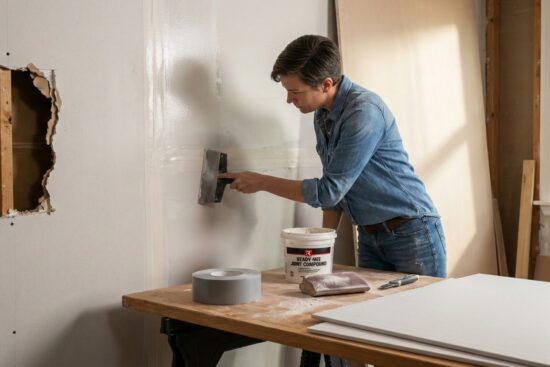
Learn more about DIY-friendly tasks and when to call a pro.
When to Call a Professional
While DIY saves money, some projects require expertise. Hire a pro for:
- Structural Changes: Removing load-bearing walls or altering rooflines.
- Plumbing/Electrical: Moving pipes, rewiring, or installing new circuits.
- HVAC Work: Ductwork or furnace repairs.
- Permits: Projects like additions or major electrical updates often require permits.
Always check local regulations before starting work. A licensed pro ensures safety and compliance.
Tip: Get quotes from at least three contractors and ask for references. Check licenses and insurance through your state’s contractor licensing board.
Seasonal and Themed Remodel Ideas
Spring Refresh: Lighten and Brighten
Spring is a great time to declutter and refresh. Start with a deep clean, then focus on projects that bring in more light:
- Swap heavy drapes for sheer curtains.
- Paint walls a crisp white or pale blue.
- Add mirrors to reflect light and create the illusion of space.
- Install energy-efficient light fixtures.
Summer Upgrades: Outdoor Living Focus
Summer calls for outdoor entertaining. Create a cozy patio with weather-resistant furniture, string lights, and a fire pit. Add a portable grill station for convenience.
Tip: Use outdoor-rated paint to refresh outdoor furniture or railings.
Fall Preparations: Cozy and Efficient
As temperatures drop, focus on comfort and efficiency:
- Seal windows and doors with weatherstripping to cut heating costs.
- Install a programmable thermostat to save on energy bills.
- Add area rugs and throw blankets for warmth.
- Upgrade insulation in attics or basements.
Tip: Check your ENERGY STAR rating to identify areas for improvement.
Winter Warm-Up: Indoor Comfort Projects
Winter is ideal for indoor projects that improve livability:
- Install a space heater or heated flooring in chilly rooms.
- Add blackout curtains to block drafts and improve sleep.
- Organize closets and storage spaces for clutter-free living.
- Upgrade to a smart thermostat for better temperature control.
High-Impact, Low-Cost Upgrades for High-Traffic Areas
Flooring Solutions That Don’t Break the Bank
Flooring sets the tone for a room, but options like hardwood can cost $8–$14 per square foot. For a budget-friendly alternative, consider:
- Luxury Vinyl Plank (LVP): Mimics hardwood for $2–$7 per square foot.
- Porcelain Tile: Durable and water-resistant, ideal for kitchens and bathrooms.
- Laminate: Affordable and easy to install, though less durable than LVP.
- Peel-and-Stick Vinyl: Renters’ favorite for under $3 per square foot.
Learn more about flooring options.
Tip: Choose a neutral tone for resale appeal, or go bold with a patterned tile for personality.
Wall Treatments Beyond Paint
Paint isn’t the only way to refresh walls. Consider:
- Wallpaper: Peel-and-stick options cost $20–$50 per roll and install in under an hour.
- Beadboard: Adds texture and pairs well with cottage-core styles.
- Wood Paneling: Reclaimed wood or engineered panels create warmth.
- Chalkboard/Whiteboard Paint: Ideal for kitchens or kids’ rooms.
Tip: Use painter’s tape to create clean edges when applying wallpaper.
Ceiling Accents
Ceilings are often overlooked but offer a chance to add drama. Try:
- Ceiling Medallions: Install around light fixtures for a classic touch.
- Painted Ceilings: Use a bold color or mural for a statement.
- Wood Beams: Add warmth and texture in vaulted ceilings.
- Wallpaper: Apply to ceilings for an unexpected pop of pattern.
Tip: For painted ceilings, use a roller with an extension pole to avoid streaks.
Accessibility and Aging-in-Place Remodel Ideas
Low-Cost Modifications for Long-Term Comfort
Small changes can make a home safer and more accessible for years. Focus on:
- Lever Handles: Replace knobs with levers for easier grip.
- Non-Slip Flooring: Add rugs with rubber backing or slip-resistant coatings.
- Grab Bars: Install in showers and near toilets for stability.
- Task Lighting: Add under-cabinet or stair lights for visibility.
- Widen Doorways: Consider offset hinges to save space.
Explore more aging-in-place ideas.
Maximizing Resale Value with Strategic Renovations
Projects with the Best ROI
Not all renovations pay off at resale, but some offer strong returns. According to Remodeling Magazine’s 2025 Cost vs. Value Report, the top projects include:
- Midrange Kitchen Remodel: $28,000 cost; 71% ROI.
- Midrange Bathroom Remodel: $22,000 cost; 64% ROI.
- Attic Bedroom Addition: $56,000 cost; 70% ROI.
- Entry Door Replacement: $2,500 cost; 75% ROI.
- Garage Door Replacement: $4,000 cost; 94% ROI.
For homeowners planning to sell, focus on kitchens, bathrooms, and curb appeal. Even small updates like a fresh coat of paint or new hardware can boost resale value by 5–10%.
Tip: Stick to neutral tones and classic styles. Bold colors or trends may not appeal to all buyers.
Curb Appeal on a Budget
First impressions matter. Boost curb appeal with:
- Landscaping: Mow the lawn, trim bushes, and add mulch for under $100.
- Paint: Refresh the front door, shutters, and trim for $50–$150.
- Lighting: Install landscape lights for $20–$50 each.
- Address Numbers: Swap out dated numbers for modern, illuminated options.
Tip: Choose plants that thrive in your climate for low-maintenance appeal. Succulents or boxwood hedges are great options.
Common Mistakes to Avoid on a Remodel Budget
Skipping the Plan
Winging a remodel often leads to costly mistakes. Before buying materials, sketch a layout or use SketchUp to visualize changes. Measure twice, cut once—literally. Order 10% extra materials to avoid shortages mid-project.
Choosing Style Over Function
Trendy materials or layouts may look great now but cause problems later. For example, glossy tile looks chic but shows every water spot in a bathroom. Opt for matte finishes in high-traffic areas.
Tip: Prioritize durability and ease of maintenance. Your future self will thank you.
Ignoring Lighting
Poor lighting can ruin even the most beautiful remodel. Layer ambient, task, and accent lighting for flexibility. Use dimmers to adjust moods for different activities.
Tip: In kitchens and bathrooms, aim for 75–100 foot-candles of light for tasks like cooking and grooming.
Overlooking Storage
Clutter makes a space feel smaller. Add built-in shelving, under-bed storage, or multi-functional furniture like ottomans with hidden compartments. In closets, use double hang rods or shoe racks.
DIY Overreach
While DIY saves money, some tasks require professional expertise. Electrical work, plumbing, and structural changes can pose safety risks. Know your limits and hire a pro when needed.
Tip: Watch YouTube tutorials or take a class at a home improvement store to build skills safely.
Tools of the Trade: Building Your DIY Arsenal
Equipping yourself with the right tools sets you up for success. Start with the basics:
- Measuring Tape: A 25-foot tape is versatile for most projects.
- Level: Ensures shelves and fixtures are straight.
- Screwdriver Set: Both manual and electric options save time.
- Utility Knife: For cutting materials like drywall or laminate.
- Stud Finder: Locates wall studs for secure mounting.
- Caulk Gun: For precision sealing around fixtures and edges.
- Paint Supplies: High-quality brushes, rollers, and painter’s tape.
- Power Drill: A cordless model with spare batteries is a game-changer.
As you take on more projects, expand your toolkit with specialty items like a compact driver or a circular saw.
Tip: Store tools in a tool chest to keep them organized and protected. Label drawers for easy access.
Sourcing Materials on a Budget
Where to Shop for Deals
Finding affordable materials requires strategy. Start with:
- Big-Box Stores: Lowe’s, Home Depot, and IKEA offer seasonal sales and clearance sections.
- Online Retailers: Wayfair, Overstock, and Amazon have deep discounts on furniture and decor.
- Habitat for Humanity ReStores: Sell donated materials at 50–90% off retail. Great for doors, windows, and lighting.
- Facebook Marketplace/Craigslist: Local deals on gently used materials like flooring, cabinets, and appliances.
- Liquidation Centers: Stores like Burlington sell overstocked or discontinued items for pennies on the dollar.
Tip: Ask about open-box or floor models at stores like Best Buy or Home Depot. These items are discounted but fully functional.
Repurposing and Upcycling
Give old items new life with a little creativity. Turn:
- Pallets: Into coffee tables, bookshelves, or garden planters.
- Dressers: Paint and repurpose as bathroom vanities or TV stands.
- Doors: Remove and use as headboards or dining tables.
- Windows: Salvage and use as decorative mirrors or picture frames.
Tip: Sand and seal repurposed wood to prevent splinters and extend its life.
Final Thoughts: Remodeling with Intention and Creativity
Remodeling on a budget isn’t about cutting corners—it’s about making smart choices that enhance your home’s beauty and function without overspending. By focusing on high-impact, low-cost updates, you can create a refreshed space that reflects your style and meets your needs.
Start small, prioritize projects based on your lifestyle, and don’t be afraid to experiment. Whether you’re updating a single room or your entire home, these budget-friendly ideas will help you create a space you love—without the stress or debt.
Remember: The best home remodels are the ones that bring you joy every day. So grab your paintbrush, measure carefully, and enjoy transforming your home into a space that’s uniquely yours.