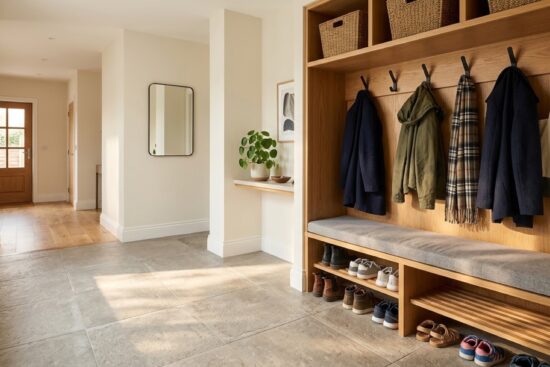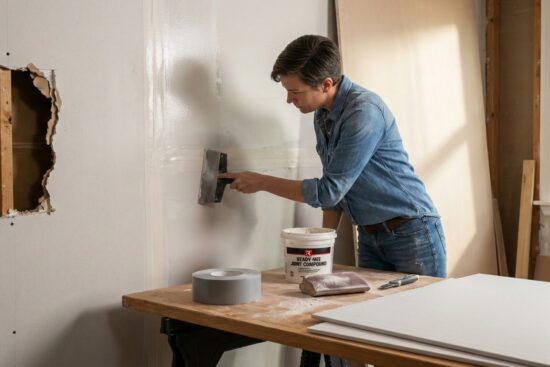
Tackling a home renovation brings immense satisfaction and significant savings, but knowing your limits is vital for safety and property value. When evaluating diy vs hire a professional for your next remodel, understanding the true scope of work separates a successful upgrade from an expensive disaster.
At Home Remodel Guidance, we empower homeowners to handle practical improvements while knowing when to step back and call licensed tradespeople. Taking on high-risk structural, electrical, or plumbing jobs without proper training can compromise your home, void insurance, and trigger costly repairs. Below is our guide to the projects you should never tackle alone, the rewarding tasks you can safely DIY, and our decision framework.

At a Glance
- Structural and life safety come first: Never DIY electrical service panels, gas lines, load-bearing walls, or foundation repairs.
- High-risk trades require licensing: Roofing, major plumbing reroutes, HVAC systems, hazardous material abatement, and concrete egress cuts require licensed professionals.
- High-impact DIY wins: Painting, tile backsplashes, hardware updates, luxury vinyl plank flooring, faucet swaps, trim molding, and landscaping deliver great sweat-equity returns.
- Use our 5-point framework: Weigh permits, physical risk, specialized tool costs, insurance coverage, and resale inspection impact before starting.
DIY vs Hire a Professional: The 5-Point Decision Framework
Deciding between DIY work and hiring a general contractor requires an objective look at risk, cost, and complexity. Evaluate any prospective remodel against these five criteria before picking up your tools.
1. Building Permits and Local Codes
Municipal building departments require permits for projects modifying structural, electrical, plumbing, or mechanical systems to protect life safety. When work triggers mandatory permits and multiple staged inspections, hiring a licensed contractor is usually the smartest move. Review our guide on navigating building codes and inspection requirements before planning your project schedule.
2. Safety and Physical Risk
Personal safety must always come first. Working with high-voltage electricity, pressurized gas, heavy overhead loads, hazardous dust, or steep roof pitches carries severe injury risks. If an error could cause electrocution, gas leaks, roof falls, or structural collapse, the choice for diy vs hire a professional is clearly to hire a licensed specialist.
3. Specialized Tools and Equipment Costs
Many specialized remodeling tasks require expensive equipment you may only use once. When factoring in rental fees or purchase prices for diagnostic gauges, rotary hammer drills, or heavy pipe threaders, DIY savings quickly disappear. If specialty tools exceed thirty percent of a contractor bid, hiring an expert makes practical financial sense.
4. Homeowners Insurance and Liability
Standard homeowners insurance policies frequently exclude coverage for water damage, structural failures, or electrical fires caused by unpermitted amateur workmanship. Licensed and insured contractors carry general liability and workers’ compensation coverage, protecting your household against catastrophic jobsite accidents and property damage.
5. Future Resale and Home Inspection Scrutiny
Home inspectors closely examine plumbing junctions, electrical panels, framing headers, and tile waterproofing. Poor amateur work, uneven finishes, code violations, or missing permit documentation can stall a sale, trigger hefty price reductions, or require complete professional teardowns prior to closing.
9 Remodeling Projects You Should Never DIY
Certain remodeling tasks demand technical apprenticeship, strict adherence to municipal codes, and specialized machinery. For these nine projects, the balance of diy vs hire a professional strongly favors hiring licensed trade contractors.
1. Main Electrical Panel Upgrades and New Dedicated Circuits
Working inside a main service panel or running new 240-volt circuits carries extreme risks of arc flash explosions and lethal shock. Even with the main breaker off, service entrance lugs remain energized with utility power. Incorrect breaker sizing or loose neutral wiring also creates hidden fire hazards behind finished walls. Read our guide on electrical work when DIY becomes dangerous before touching wiring. Always hire a licensed master electrician for panel upgrades and circuit installations.
2. Gas Line Installations and Relocations
Extending black iron or corrugated stainless steel tubing for water heaters, ranges, or outdoor kitchens leaves zero margin for error. A tiny leak can saturate wall cavities, creating severe explosion risks and carbon monoxide poisoning. Licensed plumbers and gas fitters possess the pipe-threading equipment, pressure testing gauges, and leak detectors needed to verify code-compliant installations.
3. Load-Bearing Wall Removal and Structural Alterations
Opening up living spaces is popular, but removing a wall without understanding structural loads can cause sagging ceilings, cracked drywall upstairs, or structural collapse. Identifying load-bearing walls requires evaluating floor joists, roof loads, and foundation points. A structural engineer must calculate load transfers, specify engineered headers like LVL beams, and design temporary shoring before any framing is cut.
4. Full Roof Replacements and Structural Framing Repairs
Roofing involves steep fall hazards and exacting weatherproofing requirements. Flashing around valleys, chimneys, and skylights must be installed flawlessly to prevent rot and mold inside roof rafters. Professional roofing crews have the safety harnesses, scaffolding, pneumatic nailers, and equipment to strip and shingle a home quickly while maintaining manufacturer warranties.
5. Major Plumbing Line Reroutes and Sewer Connections
Relocating waste stacks, altering main drains, or connecting sewer lines requires precise slope calculations (typically one-quarter inch drop per foot) to ensure gravity flow and prevent sewer gas backups. Improper venting will siphon water from traps, allowing hazardous fumes into living areas. Licensed master plumbers have the inspection cameras and tools to ensure reliable drainage.
6. Asbestos and Lead Paint Abatement
Homes built before 1978 often contain lead paint on trim, while older drywall compound, popcorn ceilings, pipe insulation, and vinyl tiles can contain asbestos fibers. Sanding or tearing out these materials releases toxic airborne particles that cause permanent lung damage. Certified abatement specialists use sealed containment, negative-air HEPA filtration, and hazardous disposal protocols to protect your household.
7. Complete HVAC System Replacement and Refrigerant Charging
Installing a central heat pump, air conditioning system, or furnace involves high-voltage wiring, gas connections, and ductwork sizing based on Manual J load calculations. Federal law also requires EPA Section 608 certification to handle and charge chemical refrigerants. DIY installations often lead to short-cycling equipment, poor humidity control, voided warranties, and higher energy bills.
8. Foundation Underpinning and Major Structural Crack Repairs
While hairline concrete shrinkage cracks are common, horizontal fissures, stair-step cracks, or bowing walls indicate severe hydrostatic pressure or soil settlement. Patching with surface hydraulic cement fails to address underlying geotechnical problems. Foundation contractors use hydraulic jacks, helical steel piers, carbon fiber reinforcement, and laser levels to stabilize settling structures permanently.
9. Egress Window Cutting Through Concrete Foundation Walls
Adding a legal basement bedroom requires an egress window meeting specific opening dimensions and sill heights. Cutting through eight to ten inches of poured concrete requires industrial diamond saws, dust collection, and structural lintels. Mistakes can weaken foundation walls beneath upper-floor joists, while improper excavation and window well drainage will direct rainwater straight into the basement.
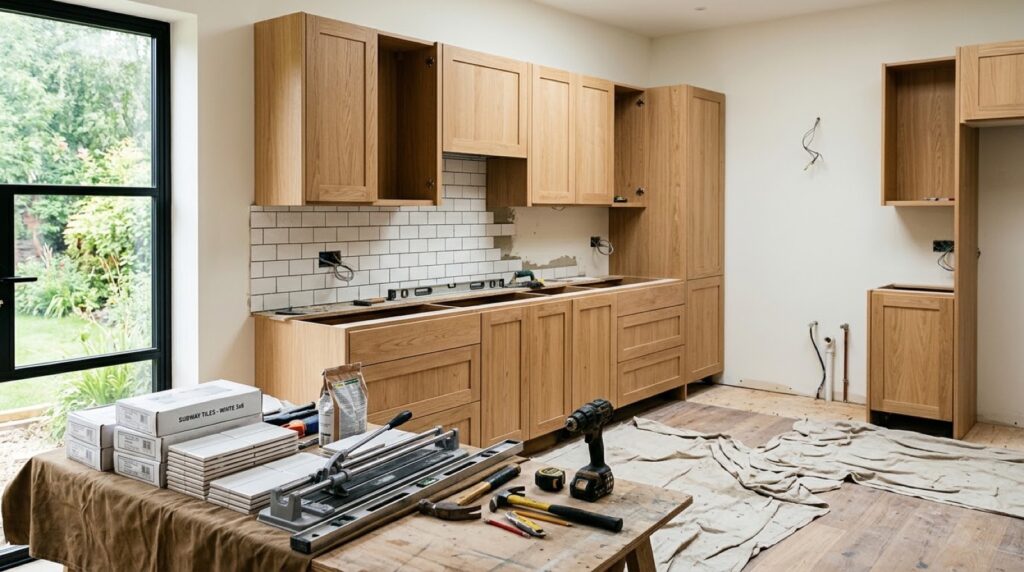
7 Remodeling Projects Homeowners Can Confidently DIY
While high-stakes structural and utility work belongs to licensed professionals, sweat equity is an excellent way to upgrade your home on a budget. On the DIY side of diy vs hire a professional, several rewarding projects require patience and basic hand tools rather than trade certifications.
1. Interior Wall, Ceiling, and Cabinet Painting
Painting provides the highest visual return on investment of any home upgrade. With thorough surface prep, quality painter’s tape, angled sash brushes, and microfiber rollers, any homeowner can achieve crisp, professional results. Taking time to patch nail holes, sand trim, and apply two even coats saves thousands in contractor labor while refreshing your living spaces.
2. Kitchen and Bathroom Tile Backsplashes
Unlike shower enclosures that require sloped mortar beds and waterproof membrane systems, a vertical kitchen backsplash carries minimal moisture risk. Using pre-mixed adhesive, manual tile cutters, plastic spacers, and flexible grout makes installing subway or mosaic tiles an achievable weekend project. For a complete walkthrough on prep and layout, read our guide on kitchen and bathroom backsplash materials and installation.
3. Cabinet Hardware and Switch Plate Swaps
Replacing dated cabinet pulls, knobs, hinges, and plastic switch plates is an entry-level project with immediate aesthetic impact. All you need is a screwdriver, a tape measure, and a simple alignment template. You can modernize an entire kitchen or bathroom in an afternoon without touching plumbing or electrical wiring.
4. Luxury Vinyl Plank (LVP) Floating Floor Installation
Click-lock luxury vinyl plank flooring is engineered for simple DIY installation over level subfloors. Because LVP floats without mortar or nails, you can cut planks easily with a utility knife and straightedge. With a basic installation kit, tapping block, and rubber mallet, homeowners can floor bedrooms, living rooms, and basements over a single weekend.
5. Sink Faucet and Showerhead Replacements
Replacing an existing kitchen or bathroom faucet does not require altering pipe routes or soldering copper. Modern fixtures use flexible braided stainless steel supply lines that attach directly to shutoff valves. As long as you shut off the water valves, apply plumber’s tape to threaded joints, and check for leaks, this is a straightforward DIY project.
6. Baseboard, Casing, and Accent Wall Trim Work
Adding decorative molding, board-and-batten accent walls, or upgraded baseboards requires careful measuring and clean cuts. Using a manual miter box or compound miter saw, you can cut precise angles, secure boards with finishing nails, and fill nail holes with putty. A bead of paintable acrylic latex caulk along edges creates a seamless architectural finish.
7. Exterior Mulching, Planting, and Simple Pathway Landscaping
Enhancing your yard with garden beds, native shrubs, fresh mulch, and stone borders creates instant curb appeal. These tasks require physical effort and basic gardening tools, but carry no structural or moisture risks to your home. You can work at your own pace across pleasant autumn weekends while adding real value to your property.
Summary Comparison: DIY vs Hire a Professional
To help you evaluate your upcoming renovation plans, we have summarized the core decision factors in this comparison table. Balancing physical risk, permitting requirements, and potential cost savings ensures you achieve the best return on your investment. For a detailed look at hidden project expenses, review our analysis on the true cost of DIY renovations.
| Remodeling Project | Typical Risk Level | Permit Required? | Recommended Approach | Primary Rationale |
|---|---|---|---|---|
| Electrical Panel Upgrade | Extreme | Yes | Hire a Professional | Risk of arc flash, lethal shock, and whole-house fire. |
| Gas Line Installation | Extreme | Yes | Hire a Professional | Risk of gas leaks, residential explosion, and carbon monoxide. |
| Load-Bearing Wall Removal | High | Yes | Hire a Professional | Requires engineering calculations, beam sizing, and temporary shoring. |
| Full Roof Replacement | High | Often | Hire a Professional | Fall hazards from heights, complex flashing, and weatherproofing warranties. |
| Major Plumbing Reroutes | Moderate to High | Yes | Hire a Professional | Drain slope calibration, venting codes, and hidden water damage risks. |
| Asbestos or Lead Abatement | High | Yes | Hire a Professional | Severe long-term respiratory hazards requiring certified containment. |
| HVAC System Replacement | Moderate to High | Yes | Hire a Professional | EPA refrigerant handling laws, airflow sizing, and high-voltage wiring. |
| Foundation Stabilization | High | Often | Hire a Professional | Underlying soil mechanics and structural integrity of the entire home. |
| Basement Egress Window Cut | High | Yes | Hire a Professional | Heavy concrete sawing, lintel installation, and exterior drainage needs. |
| Interior Room Painting | Low | No | DIY Friendly | Low safety risk, inexpensive tools, and massive labor cost savings. |
| Tile Backsplash Installation | Low | No | DIY Friendly | Zero structural impact, non-wet wall application, high aesthetic reward. |
| Cabinet Hardware Updates | Low | No | DIY Friendly | Basic screwdriver work with zero structural or electrical involvement. |
| Floating LVP Flooring | Low | No | DIY Friendly | Click-lock system requires no glue or nails and cuts easily with a knife. |
| Faucet and Fixture Swaps | Low to Moderate | No | DIY Friendly | Simple connection to existing valves using flexible braided lines. |
| Trim and Molding Work | Low | No | DIY Friendly | Cosmetic enhancement requiring basic miter cuts, nails, and caulk. |
| Basic Garden Landscaping | Low | No | DIY Friendly | Pure sweat equity with no structural consequences or safety permits. |
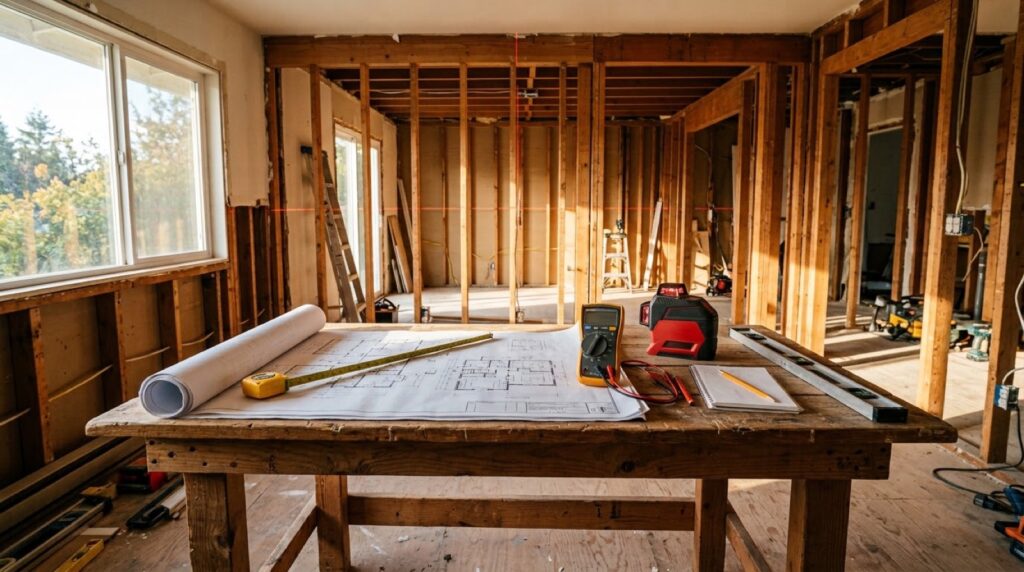
Our Top 10 Picks for Essential DIY Home Improvement Tools
If you plan to tackle DIY-friendly remodeling projects, investing in durable, accurate tools will save time and ensure professional-looking results. Here are our top ten recommended tools for homeowner toolboxes:
- Cordless Drill and Impact Driver Combo Kit: A versatile 18-volt or 20-volt brushless drill kit is the ultimate workhorse for drilling pilot holes, driving long structural screws, and assembling cabinetry. Typical price range: $130 to $250.
- Self-Leveling Cross-Line Laser Level: Projecting perfectly level horizontal and plumb vertical reference lines makes tiling backsplashes, hanging shelves, and aligning gallery walls completely foolproof. Typical price range: $45 to $120.
- Multi-Sensor Stud Finder and Wall Scanner: Essential for locating the exact center of wood and metal wall studs while detecting live AC electrical wiring before you drill or drive fasteners. Typical price range: $25 to $60.
- Heavy-Duty Utility Knife with Quick-Change Blades: Indispensable for scoring and snapping luxury vinyl planks, trimming drywall, cutting insulation, and opening building material packaging cleanly. Typical price range: $10 to $25.
- Oscillating Multi-Tool Kit: Perfect for making flush cuts on door jambs during flooring installations, plunge cutting drywall for junction boxes, and scraping away old grout or adhesive. Typical price range: $60 to $150.
- Manual Tile Cutter and Nippers Set: Allows you to score and snap ceramic and porcelain wall tiles cleanly without creating the loud noise, dust clouds, and water mess of an electric wet saw. Typical price range: $35 to $90.
- Adjustable Plumbing Wrench and Plier Set: Featuring smooth jaws to protect decorative faucet finishes and serrated jaws for gripping stubborn pipe fittings and drain slip nuts. Typical price range: $25 to $65.
- Angled Sash Paintbrush and Microfiber Roller Set: High-density synthetic bristles give you sharp cut-in lines along ceilings and trim without bleeding under painter’s tape, while microfiber rollers deliver a lint-free finish. Typical price range: $20 to $45.
- Precision Miter Box and Hand Saw Set: An affordable, reliable solution for cutting clean 45-degree and 90-degree angles on baseboards, shoe moldings, and picture frame trim without needing a bulky power saw. Typical price range: $15 to $35.
- Non-Contact Voltage Tester Pen: A crucial safety device that alerts you with light and sound if electrical current is flowing through a wire, outlet, or light switch before you start working. Typical price range: $15 to $30.
Frequently Asked Questions
What happens if I complete remodeling work without a required permit?
Unpermitted work can trigger stop-work orders, fines, and requirements to open finished walls for inspection. When selling your home, inspectors often flag unpermitted alterations, which can stall sales or force retroactive permitting and repairs.
Can a homeowner legally perform their own electrical or plumbing work?
Regulations vary widely by state and municipality. Some areas allow homeowners of single-family residences to pull permits for minor work after testing, while others require licensed master tradespeople for all electrical, gas, and main plumbing connections.
How do I know if an interior wall is load-bearing before removing it?
Load-bearing walls typically run perpendicular to floor joists, sit directly over foundation beams, or support upper stories. Because framing loads are complex, always consult a licensed structural engineer before removing any wall.
Will homeowners insurance cover damage caused by a DIY mistake?
While insurance covers sudden accidents, insurers may deny claims or cancel policies if damage stems from unpermitted work or code violations. Hiring licensed, insured contractors transfers liability to their insurance policy.
What is the easiest and most cost-effective remodeling project to DIY?
Interior painting and cabinet hardware updates offer the highest return on investment for beginners. They carry minimal physical risk, require few tools, and immediately enhance your home’s aesthetic appeal.
Final Thoughts: Balancing Sweat Equity and Professional Expertise
Remodeling your home should improve your everyday comfort and build property equity. Making the right choice on diy vs hire a professional protects your budget, ensures family safety, and guarantees that every dollar spent adds enduring value to your home.
When in doubt, use our five-point framework: hire licensed contractors for structural changes, high-voltage wiring, gas piping, and permitted trades. For cosmetic upgrades like painting, vinyl plank flooring, tile backsplashes, and trim, pick up your tools with confidence and enjoy creating a space you love.