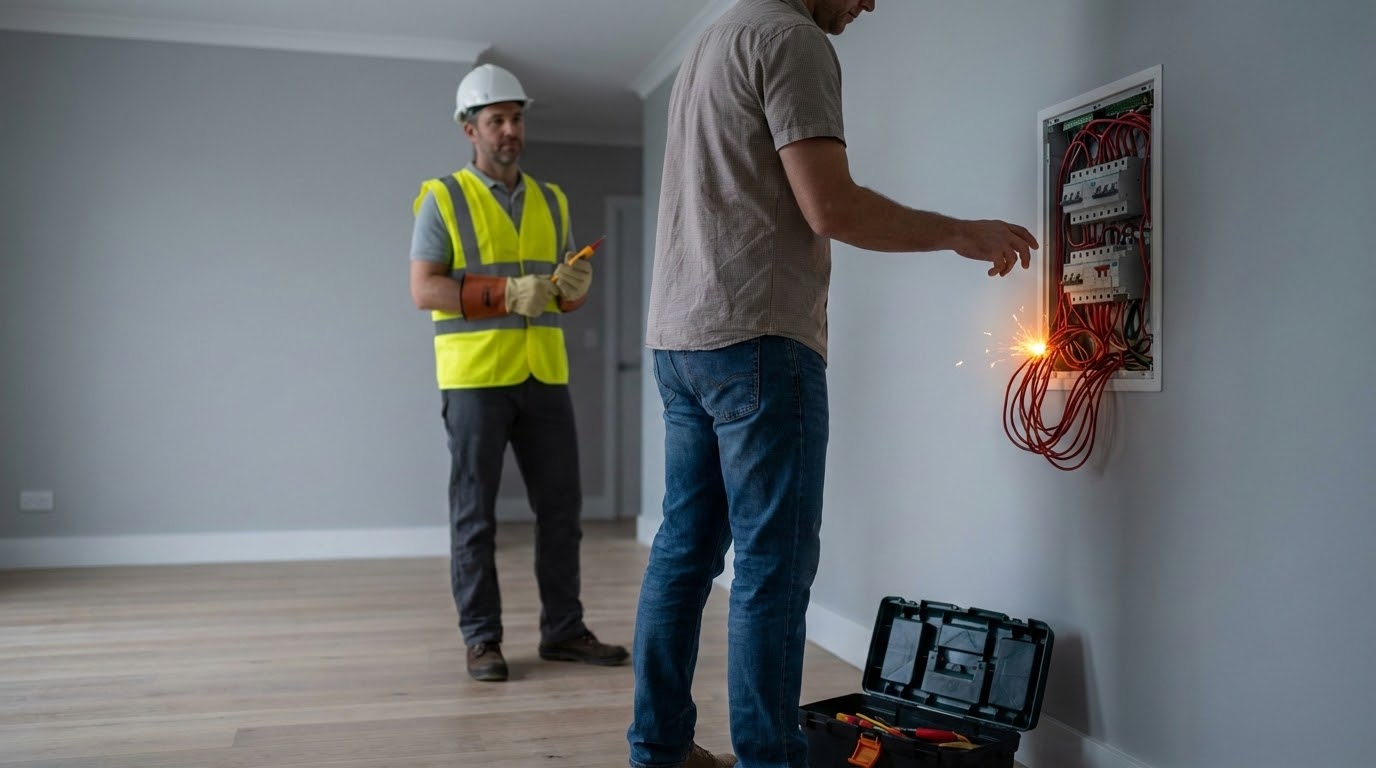
Many homeowners are tackling more projects around the house than ever before. With economic pressures and the desire to save money, people are learning new skills. This trend includes tasks that involve handling power systems in the home.
The statistics are sobering. Each year, thousands of Americans face serious injuries from accidents related to home power systems. Residential building fires cause significant damage, with electrical issues being a leading factor. Understanding these electrical hazards is crucial for every property owner.
This doesn’t mean you should avoid all home improvement tasks. However, knowing when a job requires a licensed professional is essential. It’s about balancing the desire to save time and money with the need for safety.
This guide will help you make informed decisions about your property’s power systems. We’ll provide practical safety tips and clear guidance on when to call experts. Protecting your family and investment starts with understanding the risks.
Key Takeaways
- Home electrical projects carry significant risks that many homeowners underestimate
- Economic pressures are driving more people to attempt complex power system repairs
- Proper training and experience are essential for safe electrical work
- Knowing when to call a licensed electrician can prevent serious accidents
- Understanding basic safety principles protects your family and property
- Electrical fires and malfunctions cause substantial damage annually
- Balancing DIY enthusiasm with professional expertise is crucial for safety
Understanding Electrical Work DIY Safety
Property owners often face decisions about which power-related tasks they can handle themselves versus those needing expert intervention. Establishing clear boundaries ensures both safety and successful outcomes for home improvement projects.
Defining DIY Electrical Projects
Simple power system tasks fall within the safety zone for most homeowners. These include replacing light fixtures, updating switches, and installing new outlets. Basic repairs that don’t involve the main service panel are generally manageable.
More complex installations require professional expertise. Tasks like adding new circuits or running wiring through walls demand specialized training. Understanding these distinctions protects your family and property.
When to Call a Professional
Recognizing your skill limits is crucial for safety. If a project involves unfamiliar wiring methods or code compliance issues, hire a licensed electrician. Their daily experience ensures proper installation and reduces risks.
Safety should always outweigh cost considerations. Complex jobs involving the main panel or new circuit installation need professional handling. Proper compliance with local regulations prevents potential hazards.
| Project Type | Complexity Level | Recommended Approach |
|---|---|---|
| Light fixture replacement | Basic | Homeowner-friendly |
| Outlet/switch updates | Simple | DIY with caution |
| Circuit additions | Advanced | Professional required |
| Panel modifications | Complex | Licensed electrician only |
Knowing when to seek expert help demonstrates smart home management. It prevents electrical fires and ensures code compliance while maintaining household safety.
Recognizing the Risks and Legal Implications
The rules governing DIY electrical repairs create a complex patchwork of regulations across the country. What’s allowed in one town might be prohibited in the next. Always contact your local permit office before starting any project.
Ignoring local requirements can lead to serious consequences. Faulty installations increase fire risks and may void insurance coverage. Unpermitted work can cause problems during home sales when inspectors discover violations.
Local Regulations and Permits
Many jurisdictions allow homeowners to perform their own electrical work under specific conditions. Some areas require passing a basic exam on the National Electrical Code. Others issue temporary licenses to prove competency.
Washington State law clearly permits owner-occupants to do electrical work at their residence. The exception is new building construction intended for rent or sale. Montgomery County, Maryland requires homeowners to pass an exam before receiving permission.
| Jurisdiction Type | Homeowner Allowance | Common Requirements |
|---|---|---|
| Permissive States | Most owner-occupant projects allowed | Proof of ownership, non-commercial use |
| Moderate Regulation | Limited project types permitted | Temporary license, basic code knowledge |
| Strict Regulation | Licensed electricians required | Full permits, professional installation only |
Building codes exist for important safety reasons. They protect families from electrical fires and ensure proper installations. Following these rules safeguards your property investment.
Essential DIY Electrical Work Safety Tips
The foundation of any successful home power project begins with understanding basic safety measures. Following proper protocols ensures your household improvements proceed without incident.
Safe Power Shutdown Procedures
Always start by switching off the circuit breaker in your main service panel. This cuts electricity to the specific circuit you’ll be handling. Never rely solely on wall switches, as someone could accidentally turn them back on.
Unplug any lamps or appliances before beginning your task. Inform household members about your project to prevent accidental power restoration. This simple communication provides essential protection.
Proper Wire Testing Methods
Testing wires before touching them is the golden rule. Use a non-contact voltage tester to verify circuits are completely dead. This step prevents potential electrocution risks.
If your tester indicates live wires, locate the correct breaker and switch it off. Test the wires again to confirm they’re safe. Only proceed when you’ve confirmed zero voltage.
Avoid touching plumbing or gas pipes during these projects. With careful attention to shutdown and testing procedures, home electrical tasks can be completed safely.
How to Save Money and Manage Home Electrical Projects
Managing household upgrades while controlling costs involves strategic decision-making. Homeowners spent $275 billion on improvements and repairs in 2011, with skilled trades commanding premium rates. This financial reality makes cost-effective planning essential.
Professional electricians provide valuable service but often have scheduling challenges. They might be booked for days or weeks. Handling certain tasks yourself eliminates frustrating delays. After a quick trip to the home center, you can complete basic installations the same day.
This approach gives you greater control over your property’s systems. When you understand how components function, future repairs become less mysterious. You gain confidence in maintaining your living space.
However, smart budgeting requires honest evaluation. Factor in tool costs, materials, and permit fees. Your time investment also has value. Some complex jobs justify professional fees for long-term safety and compliance.
Break larger projects into manageable phases. Plan work to minimize power disruptions. Organize materials before starting. This systematic approach ensures efficient progress while maintaining household functionality.
The balance between savings and quality varies by project complexity. Simple updates often offer good return on investment. Major system modifications typically benefit from expert handling. Choose wisely based on your skills and the job’s requirements.
Using the Right Tools and Personal Protective Equipment
The right equipment separates safe home projects from dangerous situations. Proper gear provides essential protection against unexpected contact with live components.
Always choose tools with insulated grips when handling power systems. These specially designed handles prevent shocks if you accidentally touch energized wires or circuits. This small investment can literally save your life.
Choosing Insulated Tools
Ground fault circuit interrupters (GFCIs) offer crucial safety for power tool use. They detect electrical imbalances and cut power within milliseconds. This protection is especially important in damp areas where water increases risk.
According to the U.S. Consumer Product Safety Commission, 8% of consumer product-related electrocutions each year involve power tools like drills, saws, and sanders.
Never use tools near live wires or water pipes. Extension cords should not exceed 100 feet in length. These simple rules prevent most fire hazards and electrocution risks.
| Safety Gear | Protection Purpose | Essential For |
|---|---|---|
| Insulated tools | Shock prevention | All circuit work |
| Safety goggles | Eye protection | Drilling near wires |
| GFCI outlets | Circuit interruption | Wet area projects |
| Hearing protection | Noise reduction | Loud power tools |
Complete your safety kit with goggles, gloves, and dust masks. This equipment costs little but protects your sight and hearing for years. Proper gear is an investment that pays safety dividends on every project.
Safeguards on outdoor tools exist for important reasons. Always keep them in place during operation. Cutting corners on protection creates false economy that risks serious injury.
Reader Tips and Practical Wiring Projects
Learning from experienced homeowners can transform your approach to household projects. These clever solutions save time and prevent common errors.
Proven Tips from DIY Enthusiasts
Casey Overland improved breaker visibility by applying white caulk to stamped numbers. This helps in dark basements.
Collin Grace labeled his entire home’s circuits in one hour using a radio. He flipped breakers until the music stopped.
Helene Lesel protects outlet strips from sawdust with masking tape. Frank Thomas uses power strips with individual switches.
Simple Wiring Projects
Beginner-friendly tasks include replacing outlets and installing light fixtures. Proper wire stripping ensures secure connections.
Wallace Trout created an alignment jig by drilling holes in a cover plate. Randy Witmyer built a soldering stand from coat hanger wire.
Innovative Solutions from the Field
John Fontaine hid TV cords with a plywood chase painted to match walls. Liquid tape can rescue frayed charger cables.
Keep low-voltage wires several inches away from power cables. This prevents signal interference affecting TV or internet service.
| Project Type | Skill Level | Time Required | Safety Level |
|---|---|---|---|
| Outlet Replacement | Beginner | 30 minutes | High |
| Light Fixture Install | Intermediate | 1-2 hours | Medium |
| Circuit Labeling | Beginner | 1 hour | High |
| Cord Management | Intermediate | 2-3 hours | High |
Avoiding Common DIY Electrical Mistakes
Understanding what not to do is just as crucial as knowing proper techniques when handling household power systems. Each shortcut or code violation creates potential hazards that could endanger your family and property.
Frequent Code Violations
Overloading junction boxes ranks among the most common errors. Cramming too many conductors into small spaces generates dangerous heat buildup. Another serious mistake involves using electrical tape instead of proper wire connectors for splices.
Mixing different wire gauges within the same circuit creates fire risks. Forgetting to test conductors before touching them remains the most dangerous oversight. Reversing hot and neutral wires can create shock hazards even when switches appear off.
Cutting wires too short makes future repairs difficult. Upsizing breakers without upgrading wiring allows overheating. Using extension cords as permanent wiring causes approximately 3,300 residential fires annually.
Improper Tool Usage
Using standard screwdrivers instead of insulated tools puts you at risk. Inadequate wire strippers can damage conductor integrity. Operating power equipment near live circuits increases accident potential.
Failing to verify dead circuits with voltage testers before starting projects leads to preventable incidents. These tool-related errors account for significant safety problems that professionals encounter regularly.
Electrical failure caused 89% of residential building fires during a recent study period. Avoiding these common mistakes protects your home from devastating consequences.
Conclusion
Approaching your home’s power systems with respect and proper preparation makes all the difference. This guide has shown that many household projects can be handled safely when you follow essential protocols.
Safety must always come before saving money or time. Simple tasks like fixture replacements offer great learning opportunities. However, complex jobs involving service panels demand professional expertise.
Knowing when to call a licensed electrician protects your family and property. Their training prevents potential hazards that could lead to fires or other dangers. Your honest skill assessment is the most important safety tool.
The information here gives you a solid foundation for making smart decisions. With careful attention and proper protection, you can maintain your house confidently. Remember that quality service ensures long-term peace of mind for everyone.
FAQ
What are some simple home wiring tasks I can safely do myself?
You can handle basic jobs like replacing a light switch, installing a new ceiling fan, or swapping out an old outlet. Always turn off the power at the breaker box first and use a voltage tester to confirm the wires are safe. For anything involving the main service panel or new circuits, it’s best to hire a licensed electrician.
Why is it so important to get a permit for certain projects?
A> Permits ensure your project meets local building codes, which are designed to prevent fires and shocks. An inspector checks the job to make sure it’s safe. Skipping this step can lead to serious problems, invalidate your home insurance, and cause issues when you sell your house.
What is the most critical safety step before starting any wiring?
The single most important step is to shut off the power. Go to your breaker panel and switch off the correct circuit. Then, use a reliable tester like a Klein Tools voltage tester on the wires to double-check that the power is truly off. Never assume the breaker is labeled correctly.
Can using the wrong tools really cause that much damage?
Absolutely. Standard screwdrivers and pliers can conduct electricity. Using insulated tools from brands like Ideal Industries or Greenlee provides a vital layer of protection against accidental contact with live wires, significantly reducing the risk of a severe shock.
What’s a common mistake people make when adding new outlets?
A frequent error is overloading an existing circuit. Each circuit in your panel is designed to handle a specific amount of power. Adding too many devices can cause the breaker to trip constantly or, worse, overhear the wires inside your walls, creating a major fire hazard.