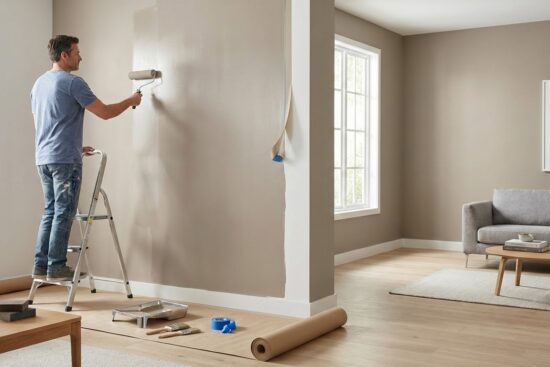
Thinking about a home remodel but worried about where you’ll stay? You’re not alone. The idea of coexisting with construction can feel overwhelming. Yet, for many, it’s the most practical choice.
Staying in your house while work happens offers real advantages. You can save significantly on temporary housing costs, putting that money back into your project. It also lets you monitor progress daily and communicate directly with your team.
This experience, while challenging, helps you understand your space on a deeper level. You learn its light patterns and daily flow. This knowledge makes the final result even more rewarding.
Of course, this journey tests your patience. Dust, noise, and disrupted routines are part of the deal. But with a solid plan, you can manage the chaos. This guide will show you how.
We’ll walk you through preparing your space and navigating the construction period. You’ll get advice from homeowners, designers, and pros who have been there. Whether it’s a kitchen update or a whole-house transformation, you can maintain your comfort.
Key Takeaways
- Staying in your house during a remodel is a practical option for many homeowners.
- Significant financial savings on rent is a major benefit of this choice.
- Being present allows for close oversight of the work and better communication.
- The process helps you develop a deeper connection with your home’s layout and features.
- Proper planning is essential to manage the inevitable dust, noise, and disruption.
- Realistic expectations and a positive mindset are key to a successful experience.
- The temporary inconvenience leads to the long-term reward of your dream home.
Understanding the Challenges of a Renovation Environment
When construction crews arrive, your familiar space transforms into a landscape of new sounds, particles, and limitations. This shift brings unique obstacles that test your adaptability.
Dealing with Noise and Dust
The symphony of construction begins early. Hammering, drilling, and power tools create unpredictable construction noise throughout the day. This constant noise makes concentration difficult.
Dust becomes your unwelcome companion. Fine particles seep through sealed doors and settle on surfaces far from the work area. Daily cleaning becomes essential for basic comfort.
One experienced contractor notes:
“Homeowners often underestimate how far dust travels. Even closed cabinets aren’t safe from the fine powder that construction generates.”
Adjusting to Limited Space and Daily Disruptions
Rooms become storage zones for materials and equipment. Your movement patterns change as pathways get blocked. Simple tasks require creative solutions.
Morning routines shift dramatically. Showers might happen at unusual times. Meal preparation becomes an adventure in limited space. These disruptions challenge your normal rhythm.
| Challenge | Impact | Practical Solution |
|---|---|---|
| Constant noise | Difficulty working or relaxing | Noise-canceling headphones |
| Pervasive dust | Daily cleaning required | Plastic sheeting barriers |
| Limited access | Changed movement patterns | Clear pathway planning |
| Schedule changes | Routine disruptions | Flexible time management |
Mental preparation helps you develop coping strategies. Understanding these challenges in advance makes the process more manageable. Thousands of families successfully navigate this temporary phase each year.
Planning Your Renovation Strategy
Proper planning separates stressful renovation experiences from manageable ones. Your preparation before construction begins directly impacts your daily comfort. Invest time in developing a solid strategy.
Creating a Detailed Schedule and Checklist
A written schedule becomes your project bible. Insist on an itemized list of all work from your contractor. Include who handles each task and when phases will happen.
Clear documentation prevents misunderstandings. One homeowner learned this the hard way. They assumed their electrician’s quote covered the entire space. It only included the kitchen area.
This led to unexpected costs. Better preparation would have avoided this issue. Your detailed schedule ensures everyone understands the scope.
Setting Realistic Timelines and Budget Expectations
Be brutally honest about time and money. Most projects take longer than estimated. Plan for delays from material shortages or unexpected issues.
Set aside contingency funds for surprises. Don’t cut corners on temporary arrangements. Your project might extend well beyond original estimates.
As detailed in our guide on living at home during your NYC, investing in comfort pays off. You might be in temporary conditions for months.
Manage your expectations from the start. This renovation journey requires flexibility. But thorough planning makes the process smoother for everyone involved.
Effective Strategies for Living During Renovation
Creating designated retreat areas can make the difference between a stressful ordeal and a manageable process. These sanctuaries provide essential escape from the construction chaos.
Your approach to renovation living should focus on preserving normalcy. This means protecting key spaces that support daily life.
Defining Essential Priorities and Safe Zones
Start by identifying which rooms matter most for your family’s routine. A spare bedroom or distant living room often works best as your primary safe zone.
One family successfully maintained their living house by dividing it in half. They kept bedrooms and bathrooms functional while the kitchen area transformed.
Establish clear boundaries with your contractor about which areas remain off-limits. This protects your mental health when the project extends beyond expectations.
| Safe Zone Type | Best For | Protection Strategy | Essential Features |
|---|---|---|---|
| Bedroom Sanctuary | Families needing sleep quality | Plastic sheeting door seals | Quiet, dust-free, personal items |
| Living Room Retreat | Evening relaxation space | HVAC filter upgrades | Comfortable seating, entertainment |
| Home Office Zone | Remote workers | Soundproofing panels | Desk, reliable internet, minimal disruption |
| Multi-purpose Room | Smaller homes | Strategic furniture arrangement | Flexible layout, storage solutions |
These protected areas become your oasis. They’re especially valuable when implementing cost-effective strategies for large-scale renovations.
Remember that your space planning directly impacts daily comfort. Invest time in creating these essential retreats before work begins.
Setting Up a Temporary Living Space
Your temporary living space becomes your personal sanctuary when construction takes over your home. This designated area helps maintain normalcy and reduces stress. Careful planning makes this transition smooth.
Choosing the Best Room for Daily Comfort
Select a room farthest from the work zone. Prioritize access to windows and functioning bathrooms. A spare bedroom often works best for this purpose.
This isn’t about roughing it. Use your actual mattress for proper rest. Include adequate lighting and comfortable seating. Personal items make the space feel like home.
| Room Option | Best For | Key Considerations |
|---|---|---|
| Spare Bedroom | Single occupants/couples | Privacy, existing furniture |
| Finished Basement | Families needing separation | Temperature control, noise isolation |
| Living Room | Open concept lovers | Space for multiple activities |
| Outdoor Area | Warm climate dwellers | Weather protection, accessibility |
Organizing Essentials and Storage Options
Use clear plastic containers with lids for organization. Label everything clearly for easy access. This protects belongings from dust and keeps items findable.
Families should designate separate play areas if possible. One creative family transformed their garden with furniture and a trampoline. This gave children safe play space and adults a relaxing retreat.
Think beyond traditional spaces. A climate-controlled garage or large closet can serve specific functions. The goal is creating a genuinely pleasant environment that supports your well-being.
Preparing Your Home for Construction
Physical barriers become your first line of defense when your house becomes a construction site. Proper preparation creates a functional construction zone while protecting your daily living areas.
Using Protective Covers and Barriers
Plastic sheeting is essential for containing the mess. Don’t just cover the immediate work area—seal doorways and cover floors in adjacent rooms too.
One creative family installed a temporary back door between their sitting room and the extension site. This simple barrier dramatically reduced dust infiltration.
Consider products like Correx sheets or Q1 Floor Pro Board for floor protection. These thick recycled paper options withstand constant traffic and debris.
Managing Dust, Debris, and Clutter
Dust finds its way through the smallest cracks in floorboards and door frames. Even distant rooms need protective coverings.
Cover all furniture and belongings with tarps or plastic sheets, including items in closets. Fine construction dust is incredibly pervasive and difficult to remove once settled.
Establish clear pathways through the construction zone and minimize foot traffic. Designate specific entrances for contractors to contain the mess.
These measures preserve your sanity by maintaining clean areas where you can relax without feeling like you’re camping in a construction site.
Overcoming Challenges of Space and Clutter
Managing your belongings effectively becomes a critical survival skill when your house transforms into a construction zone. The dramatic reduction in usable space is one of the most underestimated hurdles.
Rooms become off-limits, and your possessions need relocation. This clutter can quickly overwhelm your remaining living areas.
Decluttering and Storage Solutions
View packing as a golden opportunity for a ruthless clear-out. Ask yourself tough questions about each item. Do you love it? Have you used it this year?
One homeowner shared this insight:
“Doing a massive declutter before work started made everything easier. It was freeing to only pack what we truly wanted in our new home.”
Investing in off-site storage is worth every penny. It keeps your essential space clear for movement and reduces daily stress.
Consider these smart strategies:
- Use clear, labeled bins for items staying in the house.
- Ask friends or family for garage or attic space to cut costs.
- Embrace minimalism to create physical and mental room.
A clutter-free environment is functionally essential for navigating this renovation. It sets you up for a truly fresh start in your beautifully updated home after the renovation is complete.
Managing Communication With Contractors
Effective communication with your construction team can transform a chaotic renovation into a collaborative partnership. This dialogue serves as your project’s nervous system, connecting all aspects of the work.
Establishing Clear Expectations
Before the first day of work, have explicit conversations about boundaries. Discuss working hours, noise restrictions, and material storage areas.
Create a communication protocol for urgent versus routine questions. Designate one family member as the primary contact to avoid confusion.
Maintaining Regular Updates and Check-ins
Schedule brief morning conversations and comprehensive weekly reviews. These meetings keep everyone aligned on progress and concerns.
Document significant decisions in writing. Change orders and timeline adjustments need clear records to prevent misunderstandings.
| Communication Method | Best For | Effectiveness |
|---|---|---|
| Daily Morning Check-ins | Immediate concerns | High |
| Weekly Progress Meetings | Strategic planning | Essential |
| Written Change Orders | Financial decisions | Critical |
| Text/Email Updates | Quick questions | Moderate |
One experienced homeowner shared this insight:
“Being available to answer questions immediately prevented costly mistakes. My presence allowed for quick decisions that kept the project moving forward.”
Remember that contractors appreciate respect and acknowledgment. Small gestures like offering coffee create positive relationships that benefit your entire project.
Creating a Functional Temporary Kitchen & Bathroom
When your main cooking and bathing spaces become construction zones, creative solutions keep your household running smoothly. These essential rooms support daily routines that can’t simply pause.
A thoughtful approach to temporary setups makes this transitional period manageable. Thousands of families successfully navigate these challenges each year.
Setting Up a Makeshift Kitchen Area
Your temporary kitchen doesn’t need elaborate equipment. A small table with basic appliances creates a functional cooking area. One family managed for three months using just a toaster, air fryer, and microwave.
Simple strategies reduce stress during your kitchen renovation. Paper plates eliminate dishwashing challenges. Embrace easy meals like cereal for dinner without guilt.
This approach proves that a temporary kitchen requires minimal space. It sustains families through even extensive remodel projects.
Strategies for Temporary Bathroom Use
Prioritize bathroom work in your schedule if possible. Having one functional space dramatically improves quality of life. Discuss timing options with your contractor.
For delayed bathroom updates, consider quick refreshes. New paint and accessories can make existing facilities more pleasant. Temporary flooring updates work well too.
When complete access isn’t possible, explore alternatives. Gym memberships provide shower facilities. Portable units offer solutions for single-bathroom homes undergoing renovation.
These temporary arrangements work beautifully for the project duration. They maintain essential functions while your dream house takes shape.
Embracing Flexibility and Adaptability
The ability to roll with changes separates renovation survivors from renovation casualties. Your mindset becomes your most valuable tool when unexpected challenges arise. This remodeling process will test your patience in ways you can’t anticipate.
Delays aren’t occasional occurrences—they’re virtually guaranteed in any home transformation. Materials arrive late, subcontractors have scheduling conflicts, and hidden structural issues emerge. Building extensive buffers into your expectations prevents frustration.
Adjusting Routines to the Remodeling Schedule
Double the timeline you’re initially quoted and set aside 15-20% extra funds. This realistic approach reduces stress when surprises inevitably occur. Your schedule needs room for the unexpected.
Maintain your core daily routines as much as possible. Regular sleep and meal times provide psychological stability amidst chaos. These consistent anchors help you weather the storm.
One experienced homeowner shared:
“Discovering outdated wiring wasn’t a disaster—it was an opportunity to make our house safer. Flexibility let us see problems as improvements waiting to happen.”
Create flexible work and family schedules during disruptive phases. Plan to work from coffee shops during noisy times. Arrange for children to spend extra time with friends.
Remember that flexibility doesn’t mean accepting poor work. It means maintaining realistic expectations and focusing energy on problem-solving. This approach keeps your remodeling journey moving forward positively.
Maintaining Joy and Comfort Amidst the Renovation Chaos
Amidst the construction chaos, creating pockets of peace can transform your renovation journey from stressful to manageable. The concept of “islands of calm” offers a powerful strategy for preserving your wellbeing.
These are small, intentionally designed spaces within your renovation living house that remain peaceful and emotionally nourishing. They provide essential respite from the surrounding disruption.
Designing Your Own Islands of Calm
Your islands don’t require significant investment or space. A thoughtfully arranged bedside table with fresh flowers and a favorite book creates an instant sanctuary. Even a windowsill decorated with meaningful objects can lift your spirits.
This approach isn’t frivolous—it’s essential for mental health. Since you might be in temporary conditions longer than planned, small comforts become vital supports for your family’s wellbeing.
Incorporating Small Pleasures Into Daily Life
Don’t put life on hold waiting for completion. Create small rituals that bring normalcy to each day. Enjoy morning coffee in your peaceful corner or family dinners together, even with simple meals.
Take regular breaks from the construction area. Daily walks or weekend visits to friends’ homes provide necessary recharge. These small pleasures maintain your sense of joy throughout the experience.
The contrast between challenging times and your beautiful final result will make the accomplishment feel even more meaningful. Your intentional comfort-seeking makes the journey worthwhile.
Conclusion
You’ve now gathered all the tools needed to turn construction chaos into a manageable journey. This comprehensive guide has prepared you for every phase of your home renovation.
When challenges arise, keep your focus on the end goal. Visualize your beautifully completed remodel and the improved functionality it will bring. This perspective makes temporary inconveniences worthwhile.
Remember that your project is an investment in future comfort. The money and effort you put in now will yield lasting rewards. Your completed space will feel extra special because you witnessed its transformation.
Thousands of families successfully navigate this process each year. With thorough preparation and flexible thinking, you’ll join them in creating your dream home. The temporary disruption will fade, leaving you with a space you truly love.