Welcome to a fresh look at how we create our living spaces. The stark, all-white rooms of the past are giving way to a warmer, more personal approach. This new philosophy focuses on intentional choices that reflect who you are.
As interior designer Rachel Blindauer notes, the shift is toward a more intentional minimalism. It is not cold or austere. Instead, it is deeply reflective of personal style and well-being. The goal is to create rooms that are both calm and purposeful. This is a delicate balance between simplicity and sophistication.
Today, this concept is about warmth and elevating what is essential. It goes beyond just minimizing clutter. Pared-back decor remains a staple, but the focus is on quality. It’s about choosing pieces that have meaning and lasting appeal.
This evolution means your space can feel both sophisticated and deeply personal. It balances clean aesthetics with genuine comfort. You can achieve this by achieving more with less, using natural materials and meaningful objects that tell your story.
Whether you’re refreshing one room or your entire house, this movement can help. It supports well-being and lets your authentic style shine through, free from visual noise.
Key Takeaways
- The modern approach to minimalism prioritizes warmth and personal expression over cold, sterile spaces.
- Intentionality is key—every item in your home should serve a purpose or bring joy.
- This style has evolved from simply removing clutter to carefully curating quality, essential pieces.
- Natural materials and meaningful decor are central to creating a space that feels both sophisticated and comfortable.
- The ultimate goal is to design a living environment that supports calm and reflects your unique identity.
Understanding the Minimalist Design Trend
At its core, this approach to living spaces represents a thoughtful philosophy rather than just a visual style. It transforms how we interact with our environments and what we value most.
Defining Minimalism in Home Interiors
This interior design concept prioritizes intentional choices where every element serves a purpose. As designer John Pawson explains, “Placing value on simplicity is not only an aesthetic choice, it is an expression of an entire philosophy of living.”
The goal is creating calm, uncluttered spaces that support mental well-being. It’s about thoughtful curation rather than empty rooms.
Key Characteristics and Benefits
Contemporary minimalist design features neutral color palettes and clean lines. Well-proportioned furniture and integrated storage create harmonious spaces.
Research shows reducing visual clutter can decrease stress and improve focus. Your home becomes a true sanctuary from modern overstimulation.
| Aspect | Traditional Approach | Contemporary Minimalism |
|---|---|---|
| Color Scheme | Often stark white | Warm neutral tones |
| Furniture Selection | Extreme reduction | Quality over quantity |
| Psychological Focus | Visual simplicity | Mental well-being |
| Personal Expression | Limited | Encouraged through textures |
This philosophy extends beyond aesthetics to influence mindful consumption. It helps identify what truly matters by removing the unnecessary.
The Evolution of Minimalist Design in Home Interiors
Behind every intentionally simple room lies a rich history of artistic rebellion and innovation that transformed how we live. This aesthetic didn’t emerge from a vacuum but grew from deliberate movements across multiple creative fields.
Historical Influences and Artistic Roots
The Bauhaus School, founded in 1919, revolutionized architecture by emphasizing functionality and clean lines. This German institution integrated art with daily living, laying groundwork for modern interiors.
By the 1960s, New York artists like Frank Stella and Donald Judd created works celebrating pure simplicity. Stella famously described his Black Paintings as “what you see is what you see,” stripping away unnecessary elements.
Industrial creator Dieter Rams championed “less, but better” in his Ten Principles for Good Design. His philosophy influenced everything from home products to technology, proving restraint enhances functionality.
The 1980s saw this aesthetic resurge as a counterpoint to excessive fashion. Designers like Jil Sander and Calvin Klein embraced monochrome palettes and clean lines across disciplines.
These principles connect to broader philosophical traditions, including Henry David Thoreau’s advocacy for simplified living. Understanding these roots helps appreciate why this movement endures while other styles fade.
Integration of Warm Minimalism in Modern Homes
Modern homes are embracing a softer, more inviting approach to uncluttered living. This evolution addresses the common criticism that earlier interpretations felt too sterile.
Designer Megan Khalil explains this shift perfectly:
“Minimalism in 2025 is about editing without depleting. Designers are embracing simplicity without sacrificing comfort or personality. Instead of sterile white spaces with sharp lines, we’re leaning into soft curves and earthy palettes that bring warmth and depth to a room.”
What Sets Warm Minimalism Apart
This approach introduces heartfelt elements while maintaining clean aesthetics. Carla Royder defines it as “minimalism, but with heart—where clean lines meet warm textures.”
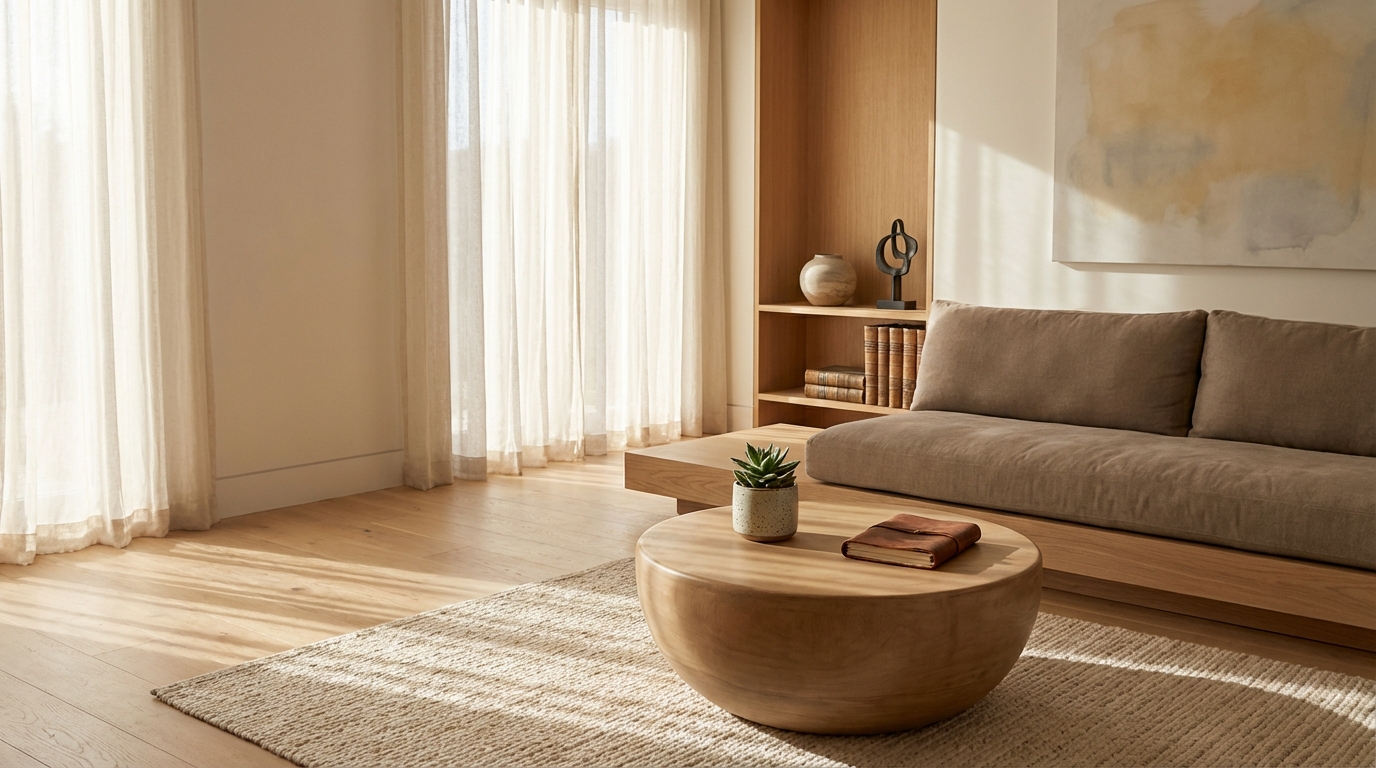
Natural materials like wood and stone create tactile interest. Soft textiles such as wool and linen add layers of comfort. The color palette shifts from stark whites to warm neutrals and earthy tones.
| Aspect | Traditional Minimalism | Warm Minimalism |
|---|---|---|
| Color Scheme | Monochromatic, cool | Earthy, warm neutrals |
| Textures | Smooth, hard surfaces | Soft, natural materials |
| Personal Items | Limited display | Meaningful curation |
| Overall Feel | Austere, clinical | Inviting, layered |
Transitioning from Traditional Minimalism
Peggy Haddad calls this balanced approach “midimalism.” It creates a happy middle ground between extremes. Your space feels collected rather than empty.
Start by introducing one warm element at a time. A wooden bowl, a textured throw pillow, or artwork with personal meaning can transform a room. The goal is creating spaces that support both aesthetic beauty and emotional well-being.
Practical Implementation Tips for Minimalist Home Design
Transforming your living environment begins with practical steps that prioritize function and beauty. These actionable strategies help create spaces that feel both organized and inviting.
Streamlined Storage Solutions and Hidden Features
Mark Tremblay of Marc-Michaels Interior Design recommends flat-front cabinets that sit flush with walls. This creates seamless integration with your room’s architecture. Built-in wardrobes and integrated cabinetry eliminate visual clutter.
Rachel Blindauer notes the importance of hidden storage. “Think about spaces where appliances are almost invisible,” she suggests. Storage ottomans and multifunctional furniture maintain clean lines while providing practical solutions.
Choosing Sculptural Furniture and Iconic Decor Pieces
Select furniture that serves as functional art. Blindauer explains, “The pieces we choose should feel like works of art themselves.” Look for items combining clean lines with organic forms.
A gently curving sofa or coffee table with soft edges adds visual interest. These statement pieces become focal points without requiring excess decor. Quality materials ensure lasting appeal.
Balancing Clean Lines with Personal Touches
Thoughtful curation is key to personal expression. Limit surface items to one or two carefully chosen objects. A lamp paired with a meaningful book creates calm, serene spaces.
Blindauer emphasizes that “even in minimalism, there is room for the deeply personal.” A single painting with significance or handcrafted vase adds warmth. These choices reflect your story while maintaining the principles of minimalist interior design.
Embracing Natural Materials and Neutral Color Palettes
Today’s most inviting spaces draw their character from organic, earthy components. This approach moves beyond simple decoration to create foundations that feel both timeless and deeply personal.
Rachel Blindauer observes this exciting shift:
“One of the most exciting directions for minimalist interiors in 2025 is the integration of nature into the design—and not just with the occasional accent plant. Minimalism is increasingly embracing natural materials like wood and stone as a core part of the design, lending to minimalist spaces that feel warm, grounded, and inviting.”
Using Wood, Stone, and Tactile Textures
Choose wood furniture that highlights natural grain patterns. A solid dining table with an honest finish celebrates the material’s inherent beauty. This creates warmth that polished surfaces often lack.
Stone elements add organic texture while maintaining clean lines. Consider a fireplace surround with soft edges or a stone accent wall. These features ground a room with tactile interest.
Neutral color palettes form the cornerstone of this aesthetic. Instead of flat whites, layer warm beiges, taupes, and creams. This creates subtle contrast and an inviting atmosphere.
Texture prevents neutral spaces from feeling boring. A linen-upholstered sofa or a wool throw adds dimension. These elements work in harmony with home design trends that stand the test of.
Light plays beautifully across these materials throughout the day. Shadows highlight wood grain and stone texture. Your living area becomes dynamic and rich.
Select plants with sculptural qualities, like fiddle leaf figs. Place them in simple planters that enhance without overwhelming. This approach supports sustainability through durable, timeless choices.
Conclusion
Embracing a simpler aesthetic is less about rules and more about feeling. This evolution in home spaces proves that true simplicity balances clean lines with heartfelt comfort.
The core of this living philosophy is intentional choice. It’s about creating an interior that supports your well-being by removing clutter. Your home becomes a personal sanctuary.
Remember, this is a flexible style you can adapt. Start with one room. Choose a few meaningful items that bring you joy. This gradual process helps you discover what truly matters in your living environment.
The enduring appeal lies in creating calm, purposeful spaces. These rooms offer a welcome respite from a busy world. Your journey toward a more serene home begins with a single, thoughtful step.