A home that feels cheap often comes down to small details that add up to a dated, cluttered, or poorly maintained look. The good news? These are usually fixable without a major renovation. A 2025 Houzz Home Design Trends survey found that 68% of homeowners who made small, targeted updates felt more satisfied with their space within three months. Whether you’re preparing to sell or just want to feel proud of where you live, focusing on these common issues can improve your home’s appearance and your daily enjoyment of it.
At Home Remodel Guidance, we’ve seen how targeted changes in lighting, paint, storage, and finishes can transform a space from feeling budget-conscious to timelessly elegant. Over the years, our team has worked with hundreds of homeowners who wanted to elevate their homes on a budget. The best upgrades don’t require expensive materials — they require thoughtful design choices and consistency. Below are the 10 most common factors that make a home look cheap, along with practical, affordable fixes you can start today.
At a Glance
- Overcrowded rooms make spaces feel smaller and more chaotic.
- Poor lighting is the top design mistake that dates a home.
- Cheap or mismatched hardware undermines even quality finishes.
- Outdated or stained carpet instantly lowers perceived value.
- DIY paint jobs with roller marks or bold colors can backfire.
- Cluttered countertops and surfaces suggest disorganization.
- Visible plastic storage bins undercut a polished look.
- Builder-grade trim and doors lack character and sophistication.
- Mismatched appliances and fixtures create visual chaos.
- Ignoring curb appeal makes the whole house feel neglected.
1. Overcrowded Rooms: Less Is More
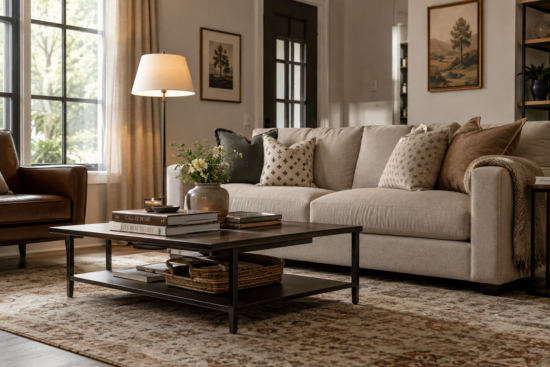
One of the fastest ways a home looks cheap is by treating every wall like a storage shelf or art gallery. When furniture, decor, and personal items fill a room to capacity, the space feels cramped, cluttered, and visually heavy. This often happens in living rooms and bedrooms where homeowners try to maximize function without considering flow.
Interior designer Nate Berkus says, “A room should breathe. Every piece in your home should have purpose and space around it. Crowding creates visual noise — that’s what makes a space feel dated or low-end.” His advice? Aim for empty space: leave at least 18–24 inches of walking room between furniture pieces.
Fix it: Start by decluttering. Use the “one in, one out” rule: for every new item you bring in, remove one. Store seasonal items out of sight. Use multi-functional furniture like ottomans with storage or sleeper sofas to reduce clutter without sacrificing utility. When arranging furniture, keep pathways clear — especially in high-traffic areas like hallways and entryways.
This applies to small spaces too. In fact, our guide on making small spaces feel bigger shows how intentional layout and scale choices can make even a studio apartment feel open and intentional.
Why This Matters for Resale
A 2024 National Association of Realtors survey found that 58% of buyers are turned off by cluttered or overly personalized spaces. They want to imagine themselves living in the home — not feel like they’re walking into someone else’s storage unit. A well-edited room photographs better, feels more luxurious, and appeals to a wider audience.
2. Poor or Inadequate Lighting: The Silent Design Flaw
If your home feels cheap, look up — at your light fixtures. Lighting is the most underrated design element in any room. A single overhead fixture in a living room or a dim bulb in the kitchen can make even a beautifully decorated space feel dated and uninviting. The American Lighting Association reports that 78% of homeowners don’t use enough light sources in their rooms.
Lighting works in three layers: ambient (general), task (focused), and accent (mood). Most homes only have the first.
Fix it: Start by upgrading your light bulbs. Swap out warm 60–75 watt incandescent bulbs for LED bulbs with a color temperature between 2700K and 3000K (warm white). Then, add layers:
- Ambient: A ceiling fixture (semi-flush mount or flush mount) or recessed lighting.
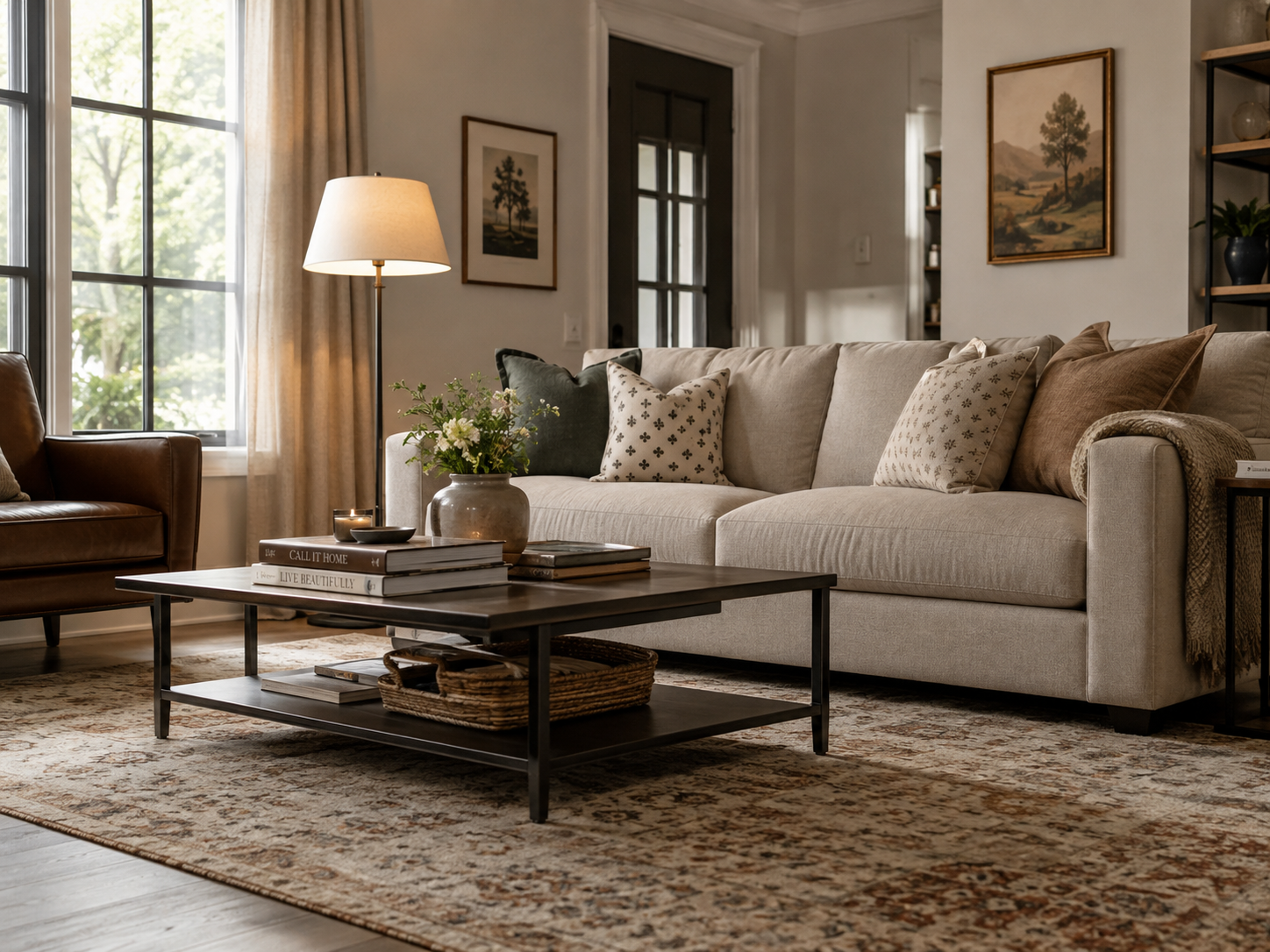
- Task: Under-cabinet lighting in the kitchen, a floor lamp beside the couch, or pendants over a dining table.
- Accent: LED strip lighting under shelves, picture lights, or smart bulbs that change color for ambiance.
For a budget-friendly upgrade, swap outdated fixtures for modern, minimalist designs. A new $50–$150 pendant or flush mount can transform a room instantly. And don’t forget natural light — keep window treatments light and sheer to maximize daylight.
For more inspiration, see our article on choosing the perfect light fixtures for a spring makeover.
Pro Tip: Layer Your Lighting Like a Pro
Set your lights on dimmers so you can adjust the mood from bright and functional to soft and cozy. This small change alone can make your home feel more expensive and intentional.
3. Cheap or Mismatched Hardware: The Unseen Upgrade
Hardware — cabinet knobs, drawer pulls, door handles, and faucets — is one of the easiest and most affordable ways to elevate a home’s look. Yet it’s often overlooked or chosen purely for function, not style. Builder-grade hardware is typically thin, lightweight, and made of hollow metal or plated plastic. It feels flimsy and tarnishes quickly.
A 2025 study by Zillow found that homes with updated hardware sold 2.5 days faster on average than those with original fixtures. The cost? A set of mid-range cabinet pulls and knobs runs about $2–$5 each.
Fix it: Choose hardware in a cohesive finish — brushed nickel, matte black, oil-rubbed bronze, or brass — and stick with it throughout the home. Update kitchen cabinets, bathroom vanities, closet doors, and even interior doors. For a cohesive look, avoid mixing finishes unless you’re going for a curated eclectic style.
Pro tip: Bring a small sample of your countertop or cabinet material to the store so you can match the undertones of the finish. Warm tones pair well with oil-rubbed bronze or brass, while cool tones look best with brushed nickel or chrome.
4. Outdated or Stained Carpet: A Quick Floor Fix
Carpet that’s worn, stained, or in an outdated color (like shag or bright berber) instantly makes a home feel cheap. Carpet is one of the most visible floor coverings and the hardest to keep looking new, especially in high-traffic areas like hallways and family rooms. The Carpet and Rug Institute reports that carpet accounts for 50% of indoor floor space in U.S. homes, yet many homeowners neglect its maintenance.
Fix it: If your carpet is stained or matted, consider professional cleaning first. A deep clean can remove up to 90% of embedded dirt and restore some life to the fibers. If cleaning doesn’t help, or if the carpet is more than 10 years old, it may be time to replace it.
For a budget-friendly upgrade, choose a neutral, textured carpet in a low pile. Avoid busy patterns or bright colors unless you’re going for a bold statement. If you’re selling, opt for a neutral tone like beige, gray, or taupe — these appeal to the widest range of buyers.
For homes with hardwood or tile underneath, consider refinishing or polishing the existing floor instead. Hardwood floors can be sanded and stained to look brand new, and tile can be deep-cleaned and sealed for a fresh look.
For more on flooring upgrades, see our guide on choosing the right flooring for each room.
5. DIY Paint Jobs Gone Wrong
Nothing dates a home faster than a bad paint job — roller marks, uneven coverage, or walls painted in trendy but polarizing colors like electric blue or mustard yellow. A 2025 Zillow survey found that 62% of potential buyers are turned off by bold or poorly executed paint choices. While DIY painting saves money upfront, a shoddy job can cost more in the long run if you have to repaint before selling.
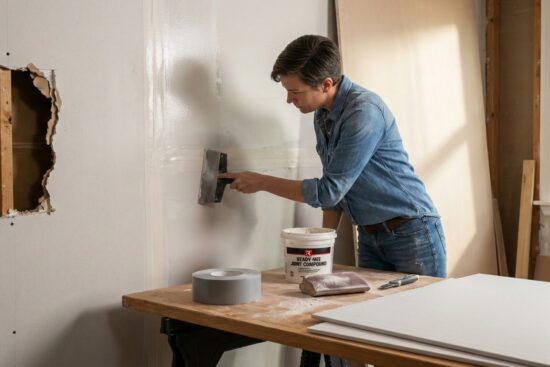
Fix it: Start with proper prep: clean walls, patch holes, sand rough spots, and use painter’s tape on trim and edges. Use a high-quality roller (3/8-inch nap for smooth walls, 3/4-inch for textured walls) and an angled brush for cutting in. Apply two coats of paint, letting each dry completely.
Choose neutral, warm tones for large surfaces — shades like warm white, greige (gray + beige), or soft taupe. These colors photograph well, appeal to most buyers, and create a blank canvas for future decor.
If you’re unsure about color, test samples on the wall and observe them at different times of day. Paint can look dramatically different under morning vs. evening light. And remember: paint is the easiest and most affordable way to refresh a room. A gallon of high-quality paint costs about $35–$50 and covers 350–400 square feet.
For more on color choices, see our guide on choosing paint colors with impact.
6. Cluttered Countertops and Surfaces
Kitchens and bathrooms are high-impact spaces, and cluttered countertops instantly make them look cheap. Piles of mail, appliances, random utensils, and personal items create visual chaos and suggest a lack of organization. The National Association of Home Builders reports that kitchens with clean, clear countertops sell faster and for higher prices.
Fix it: Start by removing everything from the counters. Sort items into categories: daily use, occasional use, and storage. Keep only what you use daily within arm’s reach — a coffee maker, toaster, or knife block. Store everything else in cabinets or drawers.
Use trays to corral smaller items like spices, oils, or makeup. Add a small dish for keys, coins, or jewelry. Install hooks or a magnetic strip for frequently used items like measuring cups or towels. In the bathroom, use a vanity tray to hold toiletries and keep only essentials on the counter.
Storage solutions don’t have to be expensive. Dollar stores, IKEA, and Amazon offer affordable organizers that can be customized to fit your style. If you’re short on cabinet space, consider adding open shelving or a rolling island for extra storage and display.
7. Visible Plastic Storage Bins: Hide the Chaos
Plastic bins have their place — the garage, the basement, or under the bed. But when they’re visible in living spaces, they scream “temporary storage” and instantly cheapen the room. A 2025 Houzz study found that 74% of homeowners who hid storage behind closed doors felt more satisfied with their space.
Fix it: Replace plastic bins with woven baskets, fabric bins, or decorative boxes that match your decor. Use them to store blankets, toys, or seasonal items. Place them on open shelving, in closets, or inside cabinets. For a more polished look, choose bins with lids that blend in with your furniture.
In kids’ rooms or play areas, use labeled bins so everything has a place. This teaches kids to clean up and keeps the room looking tidy. If you’re on a tight budget, thrift stores and Facebook Marketplace often have wicker baskets and wooden boxes at a fraction of the retail price.
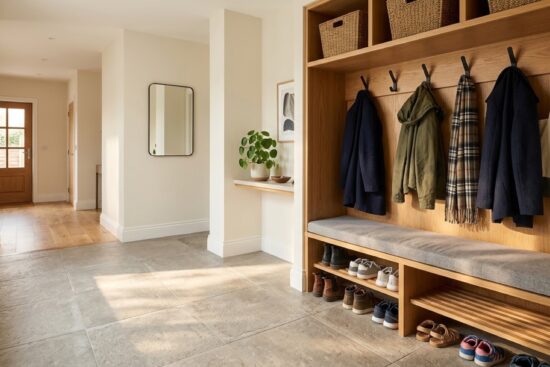
For more storage solutions, see our guide on creating a functional mudroom.
8. Builder-Grade Trim and Doors: Add Character
Many homes come with builder-grade trim — thin, flat baseboards, hollow-core interior doors, and simple casing around windows and doors. While functional, these elements lack the character and depth of custom millwork. A 2025 Remodeling Magazine report found that homes with upgraded trim sold for 3.2% more than comparable homes with original trim.
Fix it: Replace hollow-core doors with solid wood or MDF (medium-density fiberboard) doors. Upgrade baseboards to at least 3.5–5 inches tall, and choose a profile with a slight curve or bead for added detail. For a budget-friendly option, use primed MDF trim that you can paint to match your walls.
You don’t need to replace every door or trim piece at once. Start with high-impact areas like the front door, main hallway, or master bedroom. Even small changes can make a big difference in how expensive the home feels.
If you’re not ready to replace doors, consider adding panel molding or wainscoting to interior walls. This simple DIY project can add architectural interest and make a room feel more custom.
9. Mismatched Appliances and Fixtures
A kitchen or bathroom with mismatched appliances, faucets, and light fixtures feels disjointed and unfinished. It’s like wearing mismatched socks to a job interview — it doesn’t inspire confidence. A 2025 Zillow survey found that 65% of buyers prefer homes with cohesive finishes, especially in high-impact rooms like kitchens and bathrooms.
Fix it: Choose a cohesive finish for all fixtures and appliances. Popular options include stainless steel, matte black, brushed gold, or white. If you can’t replace all appliances at once, start with the fridge or range — these are the most visible and set the tone for the room.
In the bathroom, update the faucet, showerhead, towel bars, and light fixture to match. Even small changes like swapping out a dated showerhead for a rainfall model can make a big difference.
For a budget-friendly upgrade, look for gently used appliances or fixtures on Facebook Marketplace, Craigslist, or at Habitat for Humanity ReStores. Many are in excellent condition and cost a fraction of retail.
10. Ignoring Curb Appeal: First Impressions Matter
The exterior of your home is the first thing potential buyers (or guests) see, and a neglected exterior instantly makes the whole house feel cheap. Overgrown landscaping, peeling paint, a cracked driveway, or a broken mailbox can suggest poor maintenance and deter interest. The National Association of Realtors reports that curb appeal is a top priority for 83% of buyers.
Fix it: Start with the basics: mow the lawn, trim bushes, and pull weeds. Add a fresh layer of mulch to garden beds and plant seasonal flowers for a pop of color. Paint or replace the front door — it’s a low-cost upgrade that can boost curb appeal by up to 5%. Clean or paint the exterior if needed, and repair any cracks in the driveway or walkway.
Add outdoor lighting to highlight architectural features and improve safety. Solar-powered path lights or a new porch light can make a big difference. And don’t forget the mailbox — a clean, modern mailbox or a simple upgrade like a decorative post can elevate the look.
For more ideas, see our guide on quick curb appeal upgrades that deliver maximum impact.
Bonus: Small Upgrades That Make a Big Difference
Beyond the top 10, here are a few more quick fixes that can elevate your home’s look without breaking the bank:
- Update switch plates and outlet covers — old, discolored covers look dated. Swap them for modern, decorator-style plates in brass, nickel, or matte black.
- Swap out old caulk in bathrooms and kitchens. Fresh caulk around sinks, tubs, and tiles makes surfaces look clean and new.
- Add mirrors to reflect light and create the illusion of space. A large mirror in a small room can make it feel twice as big.
- Update window treatments — heavy drapes or dated blinds can drag down a room. Opt for cellular shades, Roman shades, or simple roller shades in a neutral color.
- Declutter your digital life — yes, really. A home with too many photos, knickknacks, or mismatched decor feels chaotic. Edit your space to reflect your current style and lifestyle.
How to Prioritize Your Upgrades
With so many areas to improve, it’s easy to feel overwhelmed. Start by focusing on high-impact, low-cost changes that can be done in a weekend. These include:
- Decluttering and organizing
- Updating hardware and light fixtures
- Painting walls in neutral tones
- Improving lighting with layered sources
- Enhancing curb appeal with landscaping and cleaning
Once you’ve addressed the basics, move on to larger projects like replacing carpet, upgrading appliances, or replacing doors and trim. And remember: every change doesn’t have to be permanent. Test trends with removable wallpaper, peel-and-stick backsplash, or temporary flooring to see how they feel before committing.
For more inspiration, see our guide on budget-friendly remodeling ideas that elevate your home without sacrificing style.
Final Thoughts: A Home That Feels Intentional
A home that looks expensive isn’t about spending a fortune — it’s about making thoughtful, intentional choices. It’s about consistency in finishes, clean lines, and a sense of order. It’s about lighting that makes spaces feel warm and inviting, not harsh and institutional. It’s about editing out the clutter and chaos that can make even a beautiful home feel cheap.
As we say at Home Remodel Guidance, “Good design isn’t about how much you spend — it’s about how you spend it.” Whether you’re preparing your home for sale or just want to enjoy it more, these small changes can make a world of difference. Start with one area, see how it feels, and build from there. Your home should reflect your personality and lifestyle — not a decade-old design trend or a lack of maintenance.
Frequently Asked Questions
What’s the easiest way to make my home look more expensive?
The easiest and most affordable way is to improve your lighting. Add layers of ambient, task, and accent lighting, and swap outdated fixtures for modern, minimalist designs. Proper lighting alone can make a room feel 30% more luxurious.
How do I update my home on a tight budget?
Focus on decluttering, painting, and small hardware upgrades. These projects cost under $200 each and can transform a room. Shop secondhand for fixtures and decor, and prioritize high-impact areas like the front door, kitchen, and primary bathroom.
What paint colors make a home look expensive?
Neutral, warm tones like warm white, greige, and soft taupe photograph well and appeal to most buyers. Avoid bold or trendy colors unless you’re going for a curated look. Use a high-quality paint with a satin or eggshell finish for durability and a subtle sheen.
How can I improve my home’s curb appeal without spending a lot?
Start with the basics: mow the lawn, trim bushes, pull weeds, and add mulch. Paint or replace the front door, clean the driveway, and add outdoor lighting. Even small changes like a new mailbox or house numbers can make a big difference.
Should I replace my carpet if it’s outdated?
If your carpet is stained, matted, or more than 10 years old, it’s time to consider replacing it. A fresh, neutral carpet in a low pile can make a room feel brand new. If you’re selling, opt for a neutral tone that appeals to a wide range of buyers.
What’s the best hardware finish for a cohesive look?
Choose one finish and stick with it throughout the home. Popular options include brushed nickel, matte black, oil-rubbed bronze, and brass. Warm finishes like oil-rubbed bronze pair well with wood tones, while cool finishes like brushed nickel complement modern, sleek designs.
How do I make a small space feel bigger?
Use light, neutral colors on walls and floors, and opt for multi-functional furniture. Keep pathways clear, use mirrors to reflect light, and avoid clutter. Built-in storage and vertical space usage can also help maximize square footage.
What’s the most common home design mistake?
Overcrowding rooms with too much furniture or decor is the most common mistake. It creates visual noise and makes spaces feel smaller and more chaotic. Less is more — give your furniture room to breathe.