Budget-Friendly Home Remodeling Ideas That Don’t Sacrifice Style
Home remodeling on a budget doesn’t mean you have to settle for an outdated look. With careful planning and smart choices, you can refresh your space without draining your savings. A 2025 HomeAdvisor report found homeowners who focus on high-impact, low-cost updates see an average return on investment of 75% when selling. This guide shares practical ideas that prove affordability and good design go hand in hand.
At Home Remodel Guidance, we believe every home deserves a little upgrade without breaking the bank. Whether you’re tackling one room or planning a whole-house refresh, these budget-friendly remodeling ideas will help you create a space that feels new without the price tag.
At a Glance
- Paint is your best friend: A fresh coat can transform any room for under $50.
- Lighting upgrades: Swapping fixtures or adding LED bulbs can modernize a space instantly.
- Kitchen facelifts: Cabinet refacing, new hardware, and open shelving add style for less.
- Bathroom refresh: Update fixtures, regrout tile, and add a new mirror for a spa-like feel.
- DIY where you can: Tiling, painting, and cabinet refinishing are beginner-friendly projects.
- Shop smart: Secondhand stores, clearance sections, and online marketplaces offer hidden gems.
Why Budget Remodeling Doesn’t Mean Sacrificing Style
The myth that stylish interiors require deep pockets persists, but it’s far from true. Style comes from creativity, not cost. A 2024 National Association of Realtors survey found 68% of buyers will pay more for a home with updated finishes—even if those updates were done on a budget. Focus on changes that elevate the entire space rather than scattered tweaks.
A complete kitchen renovation averages $28,000, but cabinet refacing can achieve 80% of the visual impact for about $4,000. Similarly, a bathroom remodel costs $12,000 on average, but simple updates like regrouting tile and replacing a vanity can refresh the space for under $1,500 while keeping the wow factor.
At Home Remodel Guidance, we’ve seen how small changes make a big difference. Our team helped a family in Ohio transform their 1970s kitchen with open shelving, new hardware, and fresh paint for just $2,200—turning a dated eyesore into a modern gathering space. The result? Their home sold within two weeks at 15% above asking price.
What Counts as a Budget Remodel?
A budget remodel typically costs between $5,000 and $20,000, depending on the project scale. For context, remodeling one room usually falls in this range. According to HUD, mid-range bathroom remodels average $12,500 while minor kitchen remodels average $26,000. You can achieve similar results by prioritizing updates that improve function and appearance without gutting the entire space.
The most successful budget remodels share three traits:
- Prioritization: Focus on areas that get the most use or offer the highest return.
- Smart sourcing: Hunt for deals on materials, fixtures, and finishes without sacrificing quality.
- DIY where possible: Tasks like painting, tiling, and installing hardware can save thousands in labor costs.
This guide breaks down room-by-room ideas, from kitchen updates to bathroom refreshes, all while keeping style at the forefront. Whether you’re a first-time homeowner or an experienced DIYer, these strategies will help you create a home you love—without the financial stress.
Room-by-Room Budget Remodeling Ideas
Not all rooms need a complete overhaul to feel fresh. By targeting high-traffic areas and spaces that shape your home’s feel, you can maximize your budget’s impact. Below, we explore practical updates for every major room in your home, plus tips for balancing cost, effort, and design.
Living Room: The Heart of the Home
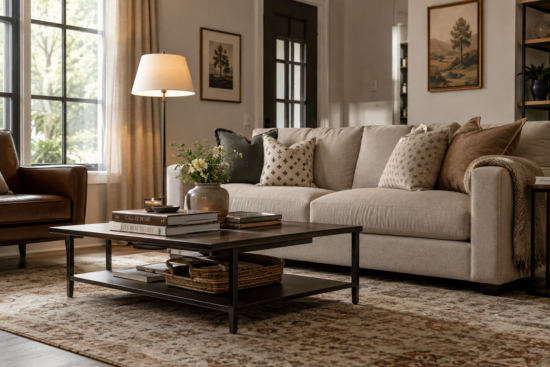
The living room is where families gather and guests relax, so it’s worth some attention—even on a budget. A few strategic changes can make a living room feel new.
1. Paint: The Instant Room Transformer
Nothing changes a room faster or cheaper than paint. According to PPG Paints, a gallon of premium paint covers about 400 square feet, so a 12×15 living room would need roughly 2 gallons. At $40–$60 per gallon, that’s an investment of $80–$120 for high-quality paint. Choose warm neutrals like “Agreeable Gray” by Sherwin-Williams or “Swiss Coffee” by Benjamin Moore to create a timeless backdrop.
Use an online paint visualizer to test colors before committing. Many brands offer free tools that let you upload a photo of your room and try different hues virtually.
2. Lighting: Layer for Ambiance and Function
Lighting shapes a room’s feel. A well-lit living room should include three types of lighting:
- Ambient lighting: Overhead fixtures like chandeliers or flush mounts provide general illumination.
- Task lighting: Floor lamps, desk lamps, or under-cabinet lighting focus light where it’s needed for reading or hobbies.
- Accent lighting: Wall sconces, LED strips, or picture lights highlight architectural features or artwork.
For a budget update, swap dated fixtures for modern, energy-efficient options. A new semi-flush mount can cost as little as $50. Alternatively, replace outdated bulbs with LEDs or add plug-in wall sconces. LED bulbs use 75% less energy and last 25 times longer than incandescent bulbs, saving money long term.
3. Accent Walls: Add Drama Without the Cost
An accent wall draws the eye and adds depth. Instead of expensive wallpaper, consider:
- Paint: Use a bold color or metallic finish for subtle shimmer. Chalkboard or magnetic paint offers both style and function.
- Wood paneling: Peel-and-stick wood panels mimic real wood at a fraction of the cost.
- Textured wallpaper: If you love pattern, look for peel-and-stick options from brands like Tempaper or Walls Republic.
- Built-ins: Add floating shelves or a DIY bookshelf for visual interest and extra storage.
A 2025 Houzz survey found 62% of homeowners who added an accent wall reported higher satisfaction with their living space. Choose a wall that naturally draws attention—like behind the TV or sofa.
4. Flooring: Refresh Without Replacing
Replacing hardwood floors can cost $8–$14 per square foot, but there are alternatives:
| Option | Cost (per sq. ft.) | Pros | Cons |
|---|---|---|---|
| Area rugs | $50–$300 | Instant warmth, easy to swap | Not permanent |
| Laminate flooring | $1.50–$4 | Water-resistant, durable, easy DIY | Can be slippery |
| Vinyl plank flooring | $2–$7 | Waterproof, realistic wood look, easy DIY | Less durable than hardwood |
| Painted or stained concrete | $1–$5 | Industrial-chic, durable | Labor-intensive if not DIY |
For a quick refresh, lay down a large area rug to define the seating area. An 8×10 rug from IKEA can cost as little as $80. For a DIY project, laminate or vinyl plank flooring are durable and stylish. Brands like Pergo and TrafficMASTER offer affordable options that even beginners can install.
5. Furniture and Decor: Mix Old and New for Character
You don’t need everything new to look stylish. Thrifting and upcycling add personality affordably. Here’s how:
- Shop secondhand: Visit thrift stores, estate sales, or online marketplaces for gently used furniture. Look for solid wood pieces like coffee tables or sideboards—these can often be refinished for a fraction of new furniture’s cost.
- Swap hardware: Replace outdated drawer pulls or cabinet knobs with modern options. A set of 10 new knobs costs about $20.
- Repurpose materials: Turn wooden crates into shelves or use an old ladder as a blanket rack.
- Add greenery: Plants breathe life into a room. Propagate a pothos or snake plant from a friend’s cuttings for free vibrancy.
A 2025 Spruce Crafts survey found 78% of homeowners who incorporated secondhand furniture felt more connected to their space. Choose pieces with good bones—solid construction and timeless design—and personalize them with paint or new upholstery.
Kitchen: Affordable Updates That Make a Big Impact
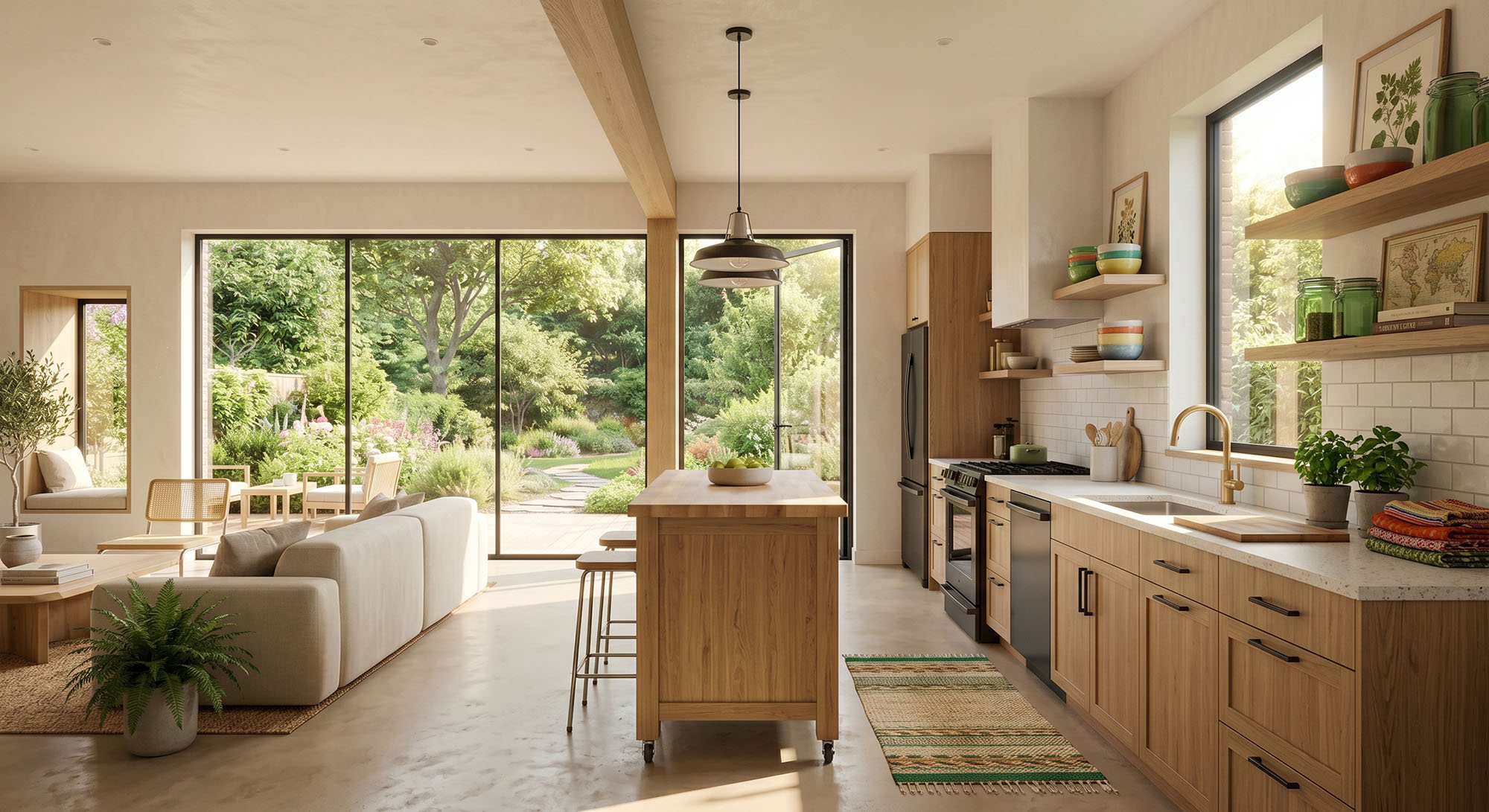
The kitchen is where families cook and gather, but it’s also one of the most expensive rooms to remodel. The good news? You can achieve a high-end look without the high-end price tag.
1. Cabinet Refacing or Refinishing
Cabinetry accounts for up to 30% of a kitchen remodel budget. Cabinet refacing replaces doors and drawer fronts while keeping existing boxes, saving up to 50% versus full replacement. According to NAHB, refacing costs $4,000–$9,000 on average, while replacement averages $15,000–$30,000.
Alternatively, refinishing involves sanding and applying new stain or paint. This costs about $300–$600 in materials and can be a DIY task. For a modern look, consider:
- Two-tone cabinets: Paint upper cabinets neutral and lowers a deeper hue like navy or sage.
- Open shelving: Remove cabinet doors to create open shelving for dishes or decor.
- New hardware: Swap dated pulls and knobs for sleek options. Brushed nickel, matte black, or brass finishes are popular.
If cabinets are in poor condition, consider refacing with thermofoil or laminate for a durable finish.
2. Countertops: Budget Alternatives to Granite
Natural stone countertops average $50–$150 per square foot. More affordable options include:
| Option | Cost (per sq. ft.) | Pros | Cons |
|---|---|---|---|
| Laminate | $10–$40 | Wide variety of designs, easy DIY | Less durable, can chip |
| Butcher block | $30–$100 | Warm, natural, repairable | Requires sealing, can stain |
| Quartz composite | $40–$100 | Durable, non-porous, many colors | Heavier, professional install recommended |
| Concrete | $65–$150 | Customizable, industrial look | Prone to cracking, requires sealing |
Laminate countertops have improved in recent years. Brands like Wilsonart and Formica offer realistic wood, marble, and quartz patterns. Butcher block adds warmth but requires regular sealing. Installing laminate or butcher block is a manageable DIY project with basic tools.
3. Backsplash: The Budget Backbone of Kitchen Style
A backsplash protects walls and adds personality. Average tile costs $1,500–$3,500, but alternatives cost less:
- Peel-and-stick tiles: Waterproof and easy to install, these cost $1–$3 per sq. ft.
- Beadboard panels: Painted beadboard adds a classic look. A 4×8 panel costs about $15.
- Painted drywall: Paint the area behind the stove or sink a bold color. Use semi-gloss for easy cleaning.
- Metallic sheets: Copper, brass, or stainless steel sheets add a high-end look for about $50 per 2×4 sheet.
If you choose peel-and-stick tiles, prep walls thoroughly with rubbing alcohol and ensure they’re completely dry.
4. Appliance Updates: Small Changes, Big Impact
New appliances can be expensive, but small updates modernize your kitchen:
- Update hardware: Swap old cabinet handles for modern options. A set of 10 from IKEA costs about $15.
- Add a faucet upgrade: A pull-down or touchless faucet can modernize the sink area. Brands like Moen and Delta offer affordable options starting at $100.
- Install a pot filler: Mounted above the stove, it saves hauling heavy pots. Installation costs about $150–$300.
- Upgrade lighting: Replace outdated ceiling fixtures or under-cabinet lighting with LEDs. A new flush mount costs $30–$80.
A WaterSense-certified faucet can save the average household 700 gallons of water per year.
5. Open Shelving: Function Meets Style
Open shelving adds storage and display space. Instead of upper cabinets, mount sturdy floating shelves. Tips:
- Choose the right material: Wood shelves add warmth; metal or glass offer a modern look. A 24-inch wooden shelf costs about $20–$30.
- Paint or stain to match: Paint shelves the same color as walls for a seamless look.
- Style intentionally: Group similar items and display colorful dishes or vintage glassware.
- Leave space between shelves: Aim for 12–18 inches to accommodate plates and glasses.
Open shelving makes small kitchens feel larger by reducing visual clutter but requires regular upkeep.
Bathroom: Low-Cost Updates for a Spa-Like Retreat
Bathrooms are small but important. A fresh, modern bathroom doesn’t need a fortune—just strategic updates.
1. Regrout and Recaulk: The Secret to Like-New Tile
Regrouting and recaulking make old tile look new. Grout absorbs moisture and stains; caulk cracks or molds. This project costs about $50–$100 and can be done in a weekend. Steps:
- Remove old grout and caulk: Use a grout saw or oscillating tool. Wear a mask to avoid dust.
- Clean the area: Vacuum debris, then clean tile and joints with grout cleaner or vinegar and water.
- Apply new grout: Use a grout float at a 45-degree angle. Wipe excess with a damp sponge.
- Caulk fixtures: Apply silicone caulk around toilet base, sink, and bathtub. Smooth with a wet finger.
Choose grout color that complements tile. White grout shows dirt easily, while gray or beige blends seamlessly. Consider epoxy grout for stain resistance.
2. Update Fixtures: Swap for Style and Efficiency
Updating fixtures modernizes a bathroom affordably. Start with:
- Faucet: A new bathroom faucet costs $50–$150 and instantly elevates the sink. Choose brushed nickel or matte black.
- Showerhead: A rainfall or handheld option adds luxury. Brands like Moen and Delta offer water-efficient models starting at $30.
- Towel bars and hooks: Replace outdated bars with modern options. A set of two costs about $20–$40.
- Mirror: A new mirror changes the bathroom feel. Consider a frameless, backlit, or medicine cabinet option. A basic framed mirror costs $50–$150.
- Toilet: If outdated, consider a low-flow model with modern design. WaterSense-certified toilets save 13,000 gallons per year.
Prioritize quality and finish. Brushed nickel hides water spots better than polished chrome and is more durable. Avoid trends like oil-rubbed bronze unless committed to updates.
3. Vanity Refresh: Paint, Replace, or Refine
The vanity is a focal point. Options include:
- Paint the cabinet: Use semi-gloss or satin for durability. A quart costs about $30.
- Replace the countertop: Consider quartz or butcher block. A 24-inch countertop costs $100–$300.
- Update the sink: A new undermount or vessel sink modernizes the space. An undermount costs $100–$250.
- Add open shelving: Remove cabinet doors and add floating shelves for an open feel.
A temporary laminate top costs $50–$100 and installs in under an hour.
4. Lighting: Brighten Up the Space
Good lighting is essential. Options include:
- Replace the fixture: A new bathroom light costs $30–$100 and modernizes instantly. Choose one with a built-in exhaust fan if needed.
- Add sconces: Mounted on either side of the mirror, sconces provide even task lighting. A pair costs $50–$150.
- Upgrade bulbs: Swap incandescent for LEDs. A 60-watt equivalent LED costs $5–$10 and lasts 25 times longer.
- Install a dimmer switch: Adjust lighting for baths or tasks. Installation costs about $20–$50.
Lighting accounts for about 15% of a home’s electricity use. Switching to LEDs saves $75 per year.
5. Accessories and Decor: The Finishing Touches
Small details elevate a bathroom.
- Towel ladder: A wooden ladder holds towels or baskets. A 5-foot ladder costs about $40.
- Plants: Add a snake plant or pothos for greenery. These thrive in humidity and need little care.
- Artwork: Hang a framed print or small canvas. Check local art markets for affordable options.
- Textiles: Swap old towels and bath mats for new ones in a cohesive color scheme. A set of two towels costs about $20–$40.
- Scent: A scented candle or diffuser adds spa ambiance. Choose natural options to avoid overpowering fragrances.
Store extra toiletries in a basket or tray to keep surfaces clutter-free.
Bedrooms: Simple Updates for a Fresh Look
Bedrooms are personal sanctuaries. Small changes make a big difference in how you feel in the space.
1. Paint: Set the Mood
Paint is the easiest way to transform a bedroom. Warm neutrals like “Accessible Beige” or “Repose Gray” by Sherwin-Williams create calm, while deeper hues like “Naval” add drama. A gallon costs $40–$60.
For a modern look, consider an accent wall or peel-and-stick wallpaper in a niche.
2. Flooring: Warm Up the Space
If floors are cold, add an area rug. An 8×10 rug costs $80–$200. For a more permanent solution, consider:
- Laminate flooring: Durable and affordable at $1.50–$4 per sq. ft.
- Carpet tiles: Easy to install and replace. A 20×20 tile costs about $15.
- Painted floors: Paint hardwood a bold color or geometric pattern for a unique look.
3. Headboard: Make a Statement
A headboard adds personality. Options include:
- DIY upholstered: Use plywood, batting, and fabric. A twin-size headboard costs about $50.
- Pegboard: Add shelves and hooks for storage and style. A 4×8 sheet costs about $20.
- Repurposed furniture: Use an old door, window frame, or ladder. Sand and paint for a fresh look.
If renting, consider a freestanding headboard for $100–$200.
4. Lighting: Layer for Ambiance
A well-lit bedroom includes ambient, task, and accent lighting.
- Ceiling fixture: A new flush mount or semi-flush mount modernizes the space. Costs $30–$100.
- Table lamps: Swap outdated lamps for modern options. A pair costs $40–$80.
- String lights: Add fairy lights or Edison bulbs for a cozy feel. A string of 100 costs about $15.
- Dimmer switch: Adjust lighting for different moods. Costs $10–$20.
5. Closet Organization: Maximize Space
A well-organized closet feels more spacious. Ideas include:
- Add shelving: Install floating shelves or a closet organizer. A 36-inch unit costs about $30.
- Use baskets and bins: Store shoes, accessories, and off-season clothes in bins. A set of six costs about $20.
- Install hooks: Add hooks for bags, belts, or robes. A set of 10 costs about $10.
- Upgrade hangers: Replace bulky hangers with slim, velvet, or wooden options. A set of 20 costs about $20.
A double hang rod maximizes vertical space and costs about $20.
Outdoor Spaces: Extend Your Living Area
Outdoor spaces like patios and decks are extensions of your home. A few updates create an inviting oasis.
1. Paint or Stain: Refresh Surfaces
Refresh worn deck or patio furniture with paint or stain. A gallon of exterior paint costs $30–$50 and covers 400 sq. ft. A gallon of stain covers 200–300 sq. ft.
Choose paint or stain with built-in sealant for easier application.
2. Outdoor Lighting: Create Ambiance
Outdoor lighting extends usability into the evening. Options include:
- String lights: Hang for a cozy feel. A string of 100 costs about $15.
- Solar path lights: Line walkways or flower beds. A set of 12 costs about $30.
- Lanterns: Place on tables or shelves for a warm glow. A set of four costs about $20.
- Motion-sensor lights: Install near entryways for safety. A pair costs about $40.
3. Furniture: Define the Space
Affordable outdoor furniture options include:
- Thrifted or upcycled: Look for solid wood pieces at thrift stores or garage sales. Sand and paint for a fresh look.
- Plastic resin: Lightweight and weather-resistant. A set of four chairs costs about $100.
- DIY pallet furniture: Turn pallets into benches, tables, or daybeds. Sand and seal for durability.
Add weather-resistant cushions and pillows for comfort and style.
4. Plants and Greenery: Bring Life to the Space
Plants add color and texture. Options include:
- Potted plants: Choose low-maintenance succulents, herbs, or small shrubs. A 6-inch pot costs about $5–$10.
- Vertical garden: Install on a fence or wall. A 4×4 kit costs about $50.
- Hanging baskets: Add to a porch or pergola for color. A basket and plants cost about $20.
5. Fire Pit or Outdoor Heater: Extend the Season
A fire pit or outdoor heater makes outdoor spaces usable in cooler months. Options include:
- DIY fire pit: Use pavers or bricks. A 3-foot diameter pit costs about $100.
- Portable fire pit: A metal fire bowl or tabletop pit costs $50–$150.
- Outdoor heater: A propane patio heater costs $100–$200 and warms up to 20 feet.
Check local regulations before installing a fire pit.
DIY vs. Hiring a Pro: When to Tackle It Yourself
Not every project suits DIY. Knowing when to call a pro saves time and money. Here’s a quick guide:
| Project | DIY Difficulty | When to Call a Pro |
|---|---|---|
| Painting | Easy | If the surface is damaged or requires extensive prep. |
| Tile installation | Moderate | For large or complex patterns, or if the subfloor is uneven. |
| Cabinet refinishing | Moderate | If cabinets are structurally unsound or require sanding beyond DIY. |
| Plumbing updates | Hard | For any project involving pipes, water heaters, or sewer lines. |
| Electrical work | Hard | For any project involving wiring, outlets, or panels. |
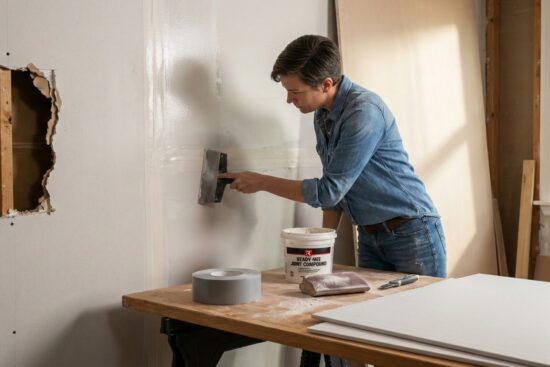
| Drywall repair | Moderate | For large holes or cracks, or if extensive sanding and finishing is needed. |
| Flooring installation | Moderate | For hardwood or tile floors requiring precise cuts or subfloor prep. |
Start with small DIY projects to build confidence. If unsure, watch YouTube tutorials or consult a pro. Our guide on 5 Renovation Tasks Homeowners Can Safely DIY is a good starting point.
For projects requiring permits or structural changes, always hire a licensed pro. Mistakes in plumbing or electrical work can lead to costly repairs long term—sometimes 10 times the original cost.
Shopping Smart: Where to Find Affordable Materials and Fixtures
Saving money on home remodeling isn’t just about choosing budget-friendly projects—it’s also about sourcing materials and fixtures at the lowest cost. Here’s where to look:
1. Big-Box Stores: One-Stop Shopping
Home improvement giants like Home Depot, Lowe’s, and IKEA offer a wide range of materials and fixtures at competitive prices.
- Check clearance sections: Both Home Depot and Lowe’s have dedicated areas for overstocked or discontinued items. Find fixtures, paint, and flooring for up to 70% off.
- Use coupons and rebates: Sign up for store newsletters or apps to receive exclusive coupons. Many stores offer rebates on appliances, tools, and materials.
- Buy scratch-and-dent appliances: These have minor cosmetic flaws and are discounted 20–50%. Brands like Whirlpool and GE offer these deals.
- Rent tools: If you only need a tool once, rent it. A tile saw rental costs about $50 for a day versus $100–$200 to buy.
2. Online Marketplaces: Hidden Gems
Online marketplaces like Facebook Marketplace, Craigslist, and OfferUp offer deals.
- Search for “lot” or “bundle” listings: People often sell groups of items like cabinet hardware or light fixtures at steep discounts.
- Negotiate: Many sellers are open to offers, especially if items have been listed a while.
- Check for local pickup: Avoid shipping costs by choosing items that can be picked up locally.
- Be cautious: Meet in a public place or bring a friend when picking up items. Inspect thoroughly before paying.
Set up alerts on Facebook Marketplace for specific items like “bathroom vanity” or “kitchen sink.” New listings appear frequently.
3. Habitat for Humanity ReStores: Unbeatable Deals
Habitat for Humanity ReStores are nonprofit stores selling donated and surplus building materials at deep discounts.
- Flooring: Hardwood, tile, and laminate for pennies on the dollar.
- Cabinets: Kitchen and bathroom cabinets in various styles and conditions.
- Lighting: Chandeliers, lamps, and fixtures at 50–80% off retail.
- Hardware: Cabinet knobs, pulls, hinges, and door handles.
- Tools: Power tools, hand tools, and safety equipment.
Prices vary by location, but you can typically find a bathroom vanity for $50–$100 or a set of kitchen cabinets for $200–$400. All proceeds support building homes for families in need.
4. Salvage Yards and Architectural Salvage Shops
Salvage yards specialize in vintage and reclaimed materials.
- Doors and windows: Solid wood doors and vintage windows can be restored.
- Hardwood floors: Reclaimed floors add character and durability.
- Lighting: Antique chandeliers, sconces, and pendants add elegance.
- Fixtures: Clawfoot tubs, pedestal sinks, and brass faucets bring vintage charm.
Prices vary widely. A reclaimed hardwood floor costs $3–$8 per sq. ft.; a clawfoot tub might run $200–$500. Visit multiple salvage yards to compare prices and quality.
5. Wholesale and Liquidation Stores
Wholesale clubs and liquidation stores offer home improvement supplies at discounted prices.
- Paint: Costco and Sam’s Club sell premium paint brands like Behr and Sherwin-Williams for up to 30% off.
- Flooring: Liquidation stores carry excess inventory from major brands at steep discounts.
- Lighting: Check Ollie’s for affordable fixtures and bulbs.
- Tools: Wholesale clubs sell power tools and accessories at lower prices than home improvement stores.
Buy paint in bulk if tackling multiple rooms. A 5-gallon bucket costs about $100 at Costco versus $200–$300 at a paint store.
6. Thrift Stores and Consignment Shops
Thrift stores and consignment shops are goldmines for affordable furniture, decor, and materials.
- Furniture: Solid wood dressers, tables, and chairs can be refinished or painted.
- Decor: Frames, artwork, and vases add personality.
- Textiles: Curtains, rugs, and throw pillows can be repurposed.
- Materials: Check back rooms for donated tile, lumber, or hardware.
Prices are typically 70–90% off retail. Inspect items carefully for damage and don’t be afraid to haggle.
Maximizing ROI: Projects That Pay Off When Selling Your Home
Not all home remodeling projects offer the same return on investment when it’s time to sell. According to Remodeling Magazine’s 2025 Cost vs. Value Report, projects that enhance curb appeal, improve function, and modernize without over-personalizing offer the highest ROI. Here’s what to prioritize:
1. Curb Appeal: First Impressions Matter
Curb appeal shapes a buyer’s first impression. Budget-friendly updates include:
- Landscaping: Mow the lawn, trim bushes, and add mulch or fresh sod. DIY landscaping costs under $200 for plants and materials.
- Front door: Fresh paint or a new door makes a big difference. A new steel door costs $200–$500 and recoups over 90% at resale.
- House numbers and mailbox: Upgrade to modern styles. A new mailbox costs $20–$50.
- Porch lighting: Add or update fixtures for safety and style. A new fixture costs $50–$150.
- Driveway and walkways: Repair cracks with concrete patch or resurfacing. A 10×20 patch costs about $150.
Remodeling Magazine’s 2025 report found homeowners recoup 90% of the cost of a new steel entry door when selling.
2. Kitchen: The ROI King
The kitchen is most important to buyers. Focus on:
- Cabinet refacing or painting: Refacing costs $4,000–$9,000 with a 70% ROI; painting costs under $500 with over 90% ROI.
- Countertops: Laminate countertops cost $10–$40 per sq. ft. and offer a 75% ROI.
- Backsplash: A tile or peel-and-stick backsplash costs $100–$500.
- Hardware: Updating pulls and knobs costs $20–$50.
- Lighting: Swap dated fixtures for modern LEDs. A pendant light costs $50–$150.
Remodeling Magazine found a minor kitchen remodel recoups 85% of the cost at resale—higher than many major renovations.
3. Bathroom: Small Updates, Big Impact
Bathrooms are the second most important room to buyers. Focus on:
- Regrouting and recaulking: Costs $50–$100 and makes tile look new.
- Fixtures: Update faucet, showerhead, and towel bars for a modern look. These updates cost $100–$300 and recoup over 70%.
- Vanity: Paint or replace for a fresh look. A new countertop costs $100–$300.
- Mirror: A new mirror or medicine cabinet adds style and storage.
- Lighting: Update fixture or add sconces for better illumination.
Remodeling Magazine found a mid-range bathroom remodel recoups 65% of the cost at resale.
4. Flooring: Durability and Style
Flooring is a major selling point. Options include:
- Hardwood refinishing: Costs $1.50–$4 per sq. ft. and recoups 100% of the cost.
- Laminate or vinyl plank: Costs $1.50–$7 per sq. ft. and mimics hardwood or tile.
- Area rugs: Define spaces and add warmth if replacing flooring isn’t in the budget.
- Carpet replacement: New carpet costs $2–$7 per sq. ft. but offers a lower ROI.
Hardwood floor refinishing offers a 100% ROI, making it one of the best investments.
5. Paint: A Fresh Coat for Maximum Appeal
A fresh coat of paint is affordable and effective. Focus on:
- Exterior paint: A fresh coat costs $1,500–$3,000 and recoups over 90%.
- Interior paint: Costs $1,000–$3,000 and recoups over 100%. Neutral colors appeal to the widest range of buyers.
- Accent walls: Use to add personality without overwhelming buyers.
- Trim and doors: Painting trim, doors, and baseboards freshens the space.
Remodeling Magazine found interior painting offers a 107% ROI.
Common Mistakes to Avoid on a Budget Remodel
Even the best plans can go wrong if you fall into traps. Here are frequent mistakes and how to avoid them:
1. Skimping on Quality
Cheap materials can cost more long term. For example, low-quality laminate flooring can warp or peel within years, requiring costly replacement. Prioritize quality for cabinetry, countertops, and flooring; save on paint or hardware.
2. Ignoring the Big Picture
Focus on one room while ignoring the rest can make the home feel disconnected. For example, painting a room bold pink might look great locally but feel jarring if the rest of the home has neutral tones. Always consider how updates fit into the overall design.
3. Over-Personalizing the Space
Over-personalized spaces can be off-putting to buyers. For example, bright pink walls or a themed bathroom might not appeal to everyone. Stick to timeless, neutral designs that can be updated by future owners.
4. Skipping Permits When Needed
Some projects require permits. Skipping them can lead to fines, inspection complications, or redoing work. Always check local regulations before starting.
5. Not Planning for Contingencies
Unexpected issues arise during remodels. Set aside 10–20% of your budget for contingencies. This could cover hidden water damage or walls that aren’t square.
6. DIY-ing Without Research
DIY projects save money but tackling tasks without proper research can lead to costly mistakes. Watch tutorials, read guides, and consult pros when in doubt. Our guide on 5 Renovation Tasks Homeowners Can Safely DIY is a good starting point.
7. Forgetting About Functionality
Style matters, but so does function. Don’t sacrifice usability for aesthetics. For example, a stylish but uncomfortable couch or beautiful but impractical kitchen layout can make your home feel less inviting.
Final Thoughts: Budget Remodeling Done Right
Remodeling on a budget doesn’t mean settling for less. With planning, smart sourcing, and a focus on high-impact updates, you can refresh your space without draining savings. Whether updating one room or tackling a whole-house refresh, these ideas help you achieve your goals without sacrificing style.
At Home Remodel Guidance, we believe every home deserves a little upgrade. By prioritizing projects with the best ROI, shopping smart, and tackling DIY tasks where possible, you can create a home you love—without the financial stress.
The key to a successful budget remodel is balance. Focus on updates that improve function and appearance, and get creative. Whether repurposing old furniture, hunting for deals at ReStores, or updating fixtures, there are endless ways to refresh your space affordably.
For more inspiration, check out our guide on 50 Budget-Friendly Home Remodel Ideas for Every Room, or learn how to create a renovation budget that works for you. With the right approach, your dream home is within reach—without the nightmare price tag.