Welcome to your guide for picking the perfect surface for your home’s heart. Your kitchen work surface is more than just a place to chop veggies. It’s a central design feature that sets the tone for the entire room.
Today, you have an incredible array of material choices. From timeless granite to sleek quartz, each one offers a unique blend of beauty and function. Finding the right fit means balancing your style, how you use the space, and your budget.
This decision goes beyond looks. You need a surface that can handle your daily life. We’ll explore the characteristics of popular countertops, including their pros, cons, and care needs. For a deeper dive into specific comparisons, check out this resource on the pros and cons of different kitchen countertop.
Our goal is to make this exciting choice feel clear and manageable. Let’s find the ideal material that combines lasting durability with your personal style.
Key Takeaways
- Your countertop is a major functional and style element in your home.
- The best choice balances aesthetics, durability, and your lifestyle.
- Modern materials range from natural stone to innovative engineered surfaces.
- Consider your cooking habits, maintenance willingness, and budget.
- Understanding the pros and cons of each material leads to a confident decision.
Exploring the Value of Quality Kitchen Countertops
Selecting the right work surface for your cooking zone impacts both daily function and long-term home value. This choice goes beyond simple appearance to affect how you use the space every day.
Why Countertop Materials Matter
Quality surfaces must withstand demanding conditions. They face extreme temperature changes from hot pans to frozen items. Your material needs to maintain its beauty through years of use.
Different surfaces offer varying levels of protection. Some resist scratches and stains better than others. The right choice balances your cooking habits with maintenance requirements.
Durability becomes crucial in high-traffic areas. These surfaces see constant action from meal prep to casual dining. Investing in resilient materials pays off over time.
Impact on Kitchen Functionality and Style
Your surface choice ties the room’s design together. It connects cabinets, backsplashes, and flooring into a cohesive look. The right material enhances the entire space’s aesthetic appeal.
Workflow improves with properly selected surfaces. Smooth materials allow easy cleaning and food preparation. The texture and color influence the room’s atmosphere.
Quality installations boost your home’s resale value. Buyers appreciate surfaces that combine beauty with practicality. Premium materials often command higher prices in the market.
Finding the perfect balance means considering multiple factors. Think about how the space looks and functions for your lifestyle. The ideal choice meets both practical needs and design preferences.
Kitchen Countertop Options for Every Home
Today’s market offers a wealth of material choices for your food preparation area. You can select from beautiful wood grains to sleek marble textures and modern engineered solutions.
This incredible variety means there’s truly something for every taste and budget. The right selection transforms your space into something both functional and stylish.
Understanding the Range of Materials
The main categories include natural stones, engineered surfaces, wood, solid surfaces, and innovative alternatives. Each group offers distinct characteristics and benefits.
Manufacturers constantly develop new materials that combine beauty with performance. This expansion goes far beyond traditional selections available just a decade ago.
Understanding these different types helps you narrow choices based on your priorities. Consider appearance preference, maintenance tolerance, and budget constraints.
Different materials suit various design styles perfectly. Rustic farmhouse spaces pair beautifully with butcher block. Sleek contemporary areas shine with quartz or concrete.
No single “best” material exists for everyone. The ideal choice depends on your circumstances, cooking habits, and lifestyle factors.
Each material type offers distinct advantages worth examining closely. The following sections explore these characteristics in detail.
Natural Stones: Granite, Marble, and More
Earth’s geological wonders transform into stunning functional surfaces that tell a story of natural history. These materials offer unparalleled character that synthetic alternatives simply cannot replicate.
Characteristics and Unique Beauty
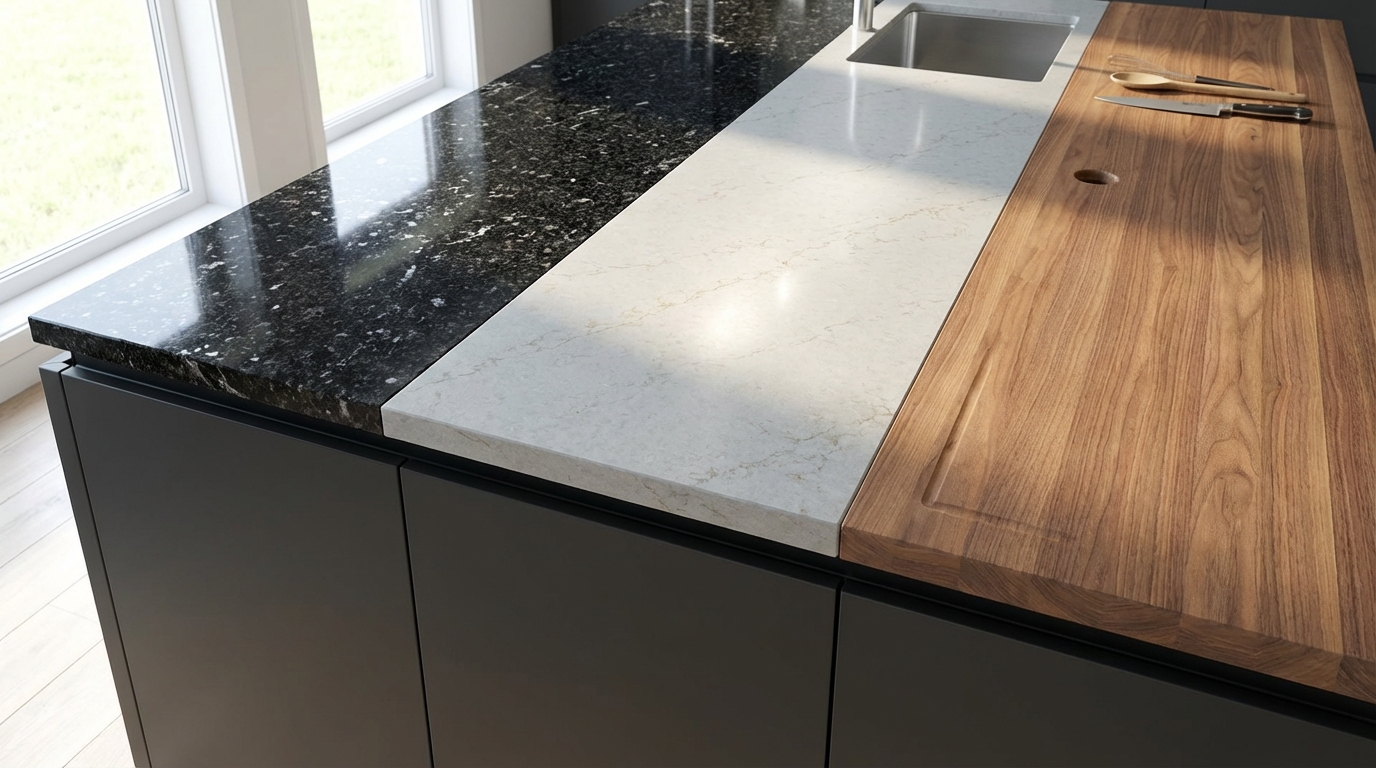
Granite stands out for its exceptional hardness and heat resistance. No two slabs are identical, ensuring your installation remains one-of-a-kind. This natural stone brings dramatic veining and speckled patterns that create visual depth.
Marble offers timeless elegance with its classic white and gray veining. Its naturally cool surface makes it perfect for baking tasks. The softer composition allows for intricate edge detailing during fabrication.
Other natural stones like soapstone and slate provide distinctive looks. Soapstone develops a rich patina over time, while slate offers a more uniform, matte appearance.
Long-Term Durability Factors
Granite countertops excel in scratch and heat resistance. However, they require periodic sealing to prevent staining. Proper installation is crucial since the weight demands professional handling.
Marble needs more careful maintenance due to its susceptibility to acids and scratches. Both granite and marble typically cost $40-$100 per square foot, representing a solid investment.
These materials often increase home value and provide decades of service. Their durability makes them worthwhile for homeowners seeking lasting beauty.
Quartz Countertops: A Modern Favorite
Among contemporary surface materials, quartz stands out for its remarkable combination of durability and design flexibility. This engineered stone has become a top choice for many homeowners.
Pros of Engineered Quartz
Quartz surfaces are created by binding crushed quartz crystals with resins. This process creates a non-porous material that resists stains exceptionally well.
You’ll never need to seal this surface. It offers excellent durability against scratches and daily wear. The color selection is virtually unlimited.
This material provides waterproof protection and maintains its beauty for years. Many homeowners appreciate the consistent patterns available.
Considerations and Limitations
The price ranges from $50 to $200 per square foot for materials alone. Professional installation is mandatory due to the extreme weight.
While quartz handles heat well, direct contact with hot pans can damage the resin binders. Always use trivets for protection.
Larger installations may show visible seams. Despite its hardness, quartz can chip under heavy impact. The investment typically adds significant resale value to your home.
Butcher Block & Wood Surfaces: Warmth Meets Function
For homeowners seeking natural warmth and traditional craftsmanship, wood surfaces create an inviting atmosphere. These materials bring organic beauty that synthetic alternatives cannot replicate.
Rustic Appeal and Versatility
Butcher block consists of wood strips bonded together to form durable slabs. This construction method creates a stable surface perfect for food preparation.
Costs typically range from $20 to $70 per square foot. This makes wood an affordable choice compared to stone materials.
“Wood gains character with age, telling the story of your family’s meals and memories.”
Different wood species offer distinct aesthetic options:
| Wood Type | Hardness | Color Range | Best For |
|---|---|---|---|
| Maple | Very Hard | Light Cream | High-Use Areas |
| Oak | Hard | Golden Brown | Traditional Styles |
| Walnut | Medium | Dark Brown | Statement Pieces |
| Cherry | Medium | Reddish Brown | Warm Atmospheres |
Wood surfaces offer practical benefits beyond their beauty. They’re gentle on knife edges and have natural antibacterial properties when properly maintained.
The ability to sand and refinish multiple times extends their lifespan significantly. This makes wood a sustainable choice that can last decades.
Regular maintenance includes oiling to prevent drying and immediate spill cleanup. Using cutting boards for heavy chopping protects the surface.
While requiring more care than stone, wood brings unmatched warmth and character to any space.
Solid Surface & Laminate Alternatives
When budget considerations are paramount, solid surface and laminate materials offer practical solutions for homeowners seeking quality surfaces without premium prices.
Budget-Friendly and Practical Options
Solid surface materials like Corian provide an excellent balance of affordability and performance. These synthetic blends mimic natural stone appearance at a fraction of the cost.
Laminate stands as the most budget-conscious choice, typically ranging from $10 to $40 per square foot. Pre-fabricated sections make DIY installation possible for handy homeowners.
Both material types offer significant advantages:
- Non-porous surfaces resist stains without sealing
- Uniform color throughout for consistent appearance
- Seamless installation possibilities
Maintenance and Design Trade-Offs
The pros of these alternatives include easy cleaning and minor scratch repair. Solid surface can be buffed with fine sandpaper to remove imperfections.
However, important cons require consideration. Both materials are susceptible to heat damage and scratching. Laminate can chip and has a hollow feel that some find less premium.
Modern manufacturing has dramatically improved the design options available. Contemporary patterns offer convincing stone simulations that elevate the aesthetic appeal of these affordable choices.
Innovative Materials: Concrete, Recycled Glass, and Paper Composites
Beyond traditional stone and engineered surfaces lies a world of cutting-edge materials that redefine what’s possible in home design. These innovative choices appeal to homeowners seeking distinctive aesthetics and unparalleled customization.
Modern Aesthetics and Customization
Concrete surfaces offer incredible design flexibility. They can be colored, textured, or polished to create truly unique looks. Specialist crews pour these custom forms on-site for perfect fit.
The cost ranges from $50 to $150 per square foot. This material requires reinforced cabinetry due to its substantial weight. Regular sealing maintains its beauty over time.
Recycled glass surfaces contain up to 85% recycled content. Brands like Vetrazzo create eco-friendly countertops with recognizable glass fragments. They offer durable performance with customizable appearance.
Paper composites represent the newest frontier. Made from paper and plant-based resins, they provide sustainable alternatives. Their limited availability makes them exclusive choices.
| Material | Key Features | Cost Range (per sq ft) | Maintenance Level |
|---|---|---|---|
| Concrete | Fully customizable, industrial chic | $50-$150 | High |
| Recycled Glass | Eco-friendly, unique patterns | $75-$125 | Medium |
| Paper Composite | Sustainable, lightweight | $100-$175 | Medium-High |
These innovative countertops create stunning visual impact. They allow for specific color palettes and textures impossible with standard materials. For detailed information about concrete countertops and its various types, explore our comprehensive guide.
The modern look of these surfaces makes them conversation starters. While requiring specialized installation, they offer design possibilities that transform ordinary spaces into extraordinary ones.
High-End Metal Options: Stainless Steel, Aluminum, and Zinc
Metal surfaces bring professional-grade performance and sleek industrial aesthetics to residential spaces. They offer a distinctive alternative to traditional materials for serious home chefs.
Stainless steel leads this category with exceptional durability and sanitary properties. This material resists heat, stains, and bacteria effectively. Custom fabrication ensures perfect fit for your kitchen layout.
Professional installation is essential for these specialized surfaces. The cost ranges from $70 to $215 per square foot. While durable, stainless steel can show fingerprints and minor scratches.
Aluminum provides an eco-friendly alternative made from 97% recycled content. It offers a budget-friendly option with stain resistance. However, availability may be limited in some areas.
Zinc develops a beautiful patina over time and has natural antibacterial qualities. This non-porous surface suits commercial settings but remains rare in homes. It scratches easily and lacks heat resistance.
| Metal Type | Cost per sq ft | Heat Resistance | Maintenance Level |
|---|---|---|---|
| Stainless Steel | $70-$215 | Excellent | Medium |
| Aluminum | $40-$80 | Good | Low |
| Zinc | $100-$200 | Poor | High |
These metal countertops work best for homeowners who appreciate their unique characteristics. They require commitment to proper maintenance but deliver unmatched functionality.
Eco-Friendly Countertop Selections
For homeowners who value green living, eco-friendly countertop selections offer both style and sustainability. These materials allow you to reduce your ecological footprint while creating beautiful, functional spaces.
Sustainable Choices for a Greener Kitchen
Bamboo stands out as an unusual but excellent choice. Though often grouped with wood, bamboo is actually grass. Slabs are made from shredded fibers blended with resins.
This fast-growing resource matures in just 3-5 years. It’s completely renewable and very durable. Bamboo cleans easily but can stain and isn’t heat-resistant.
Reclaimed wood gives new life to salvaged materials. Old barns, flooring, and structures become unique surfaces. They offer warm, rustic character but require proper sealing.
Recycled glass uses up to 85% recycled content by volume. Aluminum surfaces contain 97% recycled material. Paper composites use plant-based resins instead of petroleum products.
Environmental and Cost Benefits
Choosing sustainable materials provides meaningful environmental benefits. You divert waste from landfills and support renewable resources.
Many eco-friendly options offer excellent durability. With proper care, they can serve your home beautifully for many years. This longevity makes them smart investments.
These green selections prove that eco-friendly doesn’t mean compromising on style. You can find sustainable materials to match any design preference. From rustic reclaimed wood to sleek modern bamboo, the options are diverse.
Making this conscious choice represents a meaningful way to reduce your home’s impact. You’ll create spaces you love while supporting home design trends that stand the test of.
Designing Your Dream Kitchen: Styles and Trends
Creating your ideal cooking space involves more than just selecting appliances; it’s about harmonizing surfaces with your lifestyle and aesthetic vision. The right material choice can transform your entire home environment into a masterpiece that reflects your personality.
Matching Countertop Materials with Your Kitchen Layout
Different kitchen configurations demand specific material considerations. Open-concept spaces benefit from bold, statement-making surfaces. Compact galley layouts work best with lighter, more reflective materials.
Current design trends emphasize waterfall edges and mixed material applications. These elements create visual interest and depth. They also allow for creative expression in your space.
Consider how your surface selection complements cabinet finishes and backsplash tiles. A cohesive look ties the entire room together beautifully. This harmony creates a space that feels both functional and inviting.
| Kitchen Style | Ideal Material | Design Impact | Maintenance Level |
|---|---|---|---|
| Traditional | Marble or Granite | Timeless elegance | Medium-High |
| Contemporary | Quartz or Concrete | Sleek modernity | Low-Medium |
| Farmhouse | Butcher Block | Rustic warmth | Medium |
| Industrial | Stainless Steel | Urban sophistication | Low |
Your personal style should guide your final decision. Choose materials that support your cooking habits while expressing your unique taste. This balance ensures your space remains both beautiful and practical for years.
Maintenance Tips for Longevity
Proper maintenance is the key to preserving your investment and ensuring long-term satisfaction. Your daily care routine directly impacts how well your surfaces withstand years of use.
Easy Upkeep Strategies
Different materials require specific care approaches. Understanding these simple strategies helps prevent damage and keeps everything looking fresh.
Quick spill cleanup is essential for preventing stains. Use gentle cleaners appropriate for each material type.
| Material Type | Maintenance Frequency | Key Care Tips | Special Considerations |
|---|---|---|---|
| Granite/Marble | Annual sealing | Use pH-neutral cleaners | Honed versions need more frequent care |
| Wood | Monthly oiling | Keep dry, use cutting boards | Tung oil provides best protection |
| Quartz | No sealing needed | Mild soap and water | Avoid extreme heat exposure |
| Concrete | Regular sealing | Immediate spill cleanup | Requires reinforced support |
| Laminate | Daily cleaning | Quick stain removal | Susceptible to heat damage |
When to Reseal or Replace
Recognizing when your surface needs attention saves time and money. The water test helps determine if resealing is necessary.
Sprinkle water on the surface. If it darkens quickly, the sealant has worn away. This simple check prevents permanent stains.
Minor scratches can often be repaired with fine sandpaper. Extensive damage or outdated styles may warrant replacement. Consistent care extends the life of your installation significantly.
Cost Considerations: Investing in Quality Surfaces
Understanding the financial commitment for your new work surface helps you make a smart investment. The price range varies significantly across different materials.
Your total budget must account for both materials and professional installation. Some surfaces demand expert handling due to weight and complexity.
Comparing Price Ranges and Installation Costs
Material cost represents just one part of your investment. Installation adds substantially to the final total. For quartz, labor can add $60-$230 per square foot.
Several factors influence the final price. Edge profiles, sink cutouts, and layout complexity affect the bottom line. Standard materials typically cost less than exotic selections.
| Material | Cost per sq ft | Installation Complexity | DIY Potential |
|---|---|---|---|
| Laminate | $10-$40 | Low | High |
| Butcher Block | $20-$70 | Medium | Medium |
| Granite | $40-$100 | High | Low |
| Quartz | $50-$200 | High | Low |
| Stainless Steel | $70-$215 | High | Low |
Smart shopping terms include timing purchases during sales. Consider DIY for appropriate materials like laminate. This approach can significantly reduce your overall cost.
Quality countertops represent 10-30% of a typical kitchen remodel budget. While premium materials require higher upfront cost, their longevity often justifies the investment. Durable surfaces can last decades versus cheaper alternatives needing replacement sooner.
Expert Advice for Choosing the Right Material
Expert guidance can transform the overwhelming array of surface choices into a clear path forward. The right countertop material balances durability, maintenance, and your personal style. This framework helps you make an informed choice that serves your household for years.
Consider how you actually use your cooking space. Serious home chefs need different surfaces than occasional cooks. Your lifestyle determines the ideal material type for daily performance.
| Material Type | Durability | Maintenance | Best For | Cost Range |
|---|---|---|---|---|
| Quartz | Excellent | Low | Busy families | $50-$200/sq ft |
| Granite | High | Medium | Traditional styles | $40-$100/sq ft |
| Butcher Block | Medium | High | Warm, rustic spaces | $20-$70/sq ft |
| Laminate | Medium | Low | Budget-conscious | $10-$40/sq ft |
Always view full slabs in person before making your final choice. Lighting dramatically changes appearance. Professional fabricators offer valuable insights about installation and performance.
The perfect kitchen countertop depends on your individual circumstances. Trust your priorities rather than seeking universal recommendations. Each material type serves different needs beautifully.
Conclusion
Your journey through this guide has equipped you with essential knowledge for making an informed decision. You now understand that selecting the perfect surface involves balancing beauty, durability, and practical needs.
Today’s market offers incredible variety in materials. From classic natural stones to modern engineered surfaces, you have more choices than ever before. Each type brings unique advantages to your home.
Remember that the best selection depends entirely on your lifestyle. Consider your cooking habits, maintenance preferences, and design vision. The ideal choice will serve your family beautifully for years.
Quality surfaces represent a significant investment in your living space. They impact daily functionality and long-term property value. Take time to view materials in person and consult with professionals.
The perfect countertops combine lasting performance with personal style. Trust your priorities and move forward confidently with your renovation project. Your dream kitchen awaits!